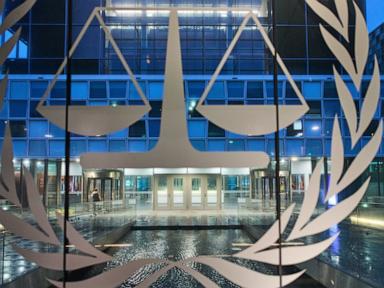
International law moves at a glacial pace, until it suddenly doesn't. When the International Criminal Court decided to unseal arrest warrants for four top Taliban figures over gender persecution, it broke a long-standing pattern of international silence.
For years, millions of Afghan women and girls have watched their basic freedoms stripped away decree by decree. Now, the court is calling that systematic erasure what it legally is: a crime against humanity. You might also find this connected coverage interesting: The Echoes We Left Behind In China.
Who Is Actually Named in the Warrants
The ICC Pre-Trial Chamber II didn't target low-ranking officials. They went straight to the top of the de facto government.
The unsealed warrants target four key figures: As extensively documented in detailed coverage by Reuters, the effects are widespread.
- Haibatullah Akhundzada, the Supreme Leader of the Taliban.
- Abdul Hakim Haqqani, the Chief Justice.
- Habibullah Agha, holding a central administrative role in education policy.
- Neda Mohammad Nadim, directing enforcement through higher education.
These individuals didn't just passively witness the dismantling of human rights. The court found reasonable grounds to believe they engineered and enforced policies built on severe oppression, arbitrary imprisonment, torture, and the complete denial of education and movement for women and girls.
Redefining Gender Persecution Under International Law
A lot of legal experts spent years arguing whether gender apartheid could be neatly prosecuted under existing international statutes. The ICC just answered that question.
The court leaned heavily on a broader definition of gender under the Rome Statute. It recognizes that gender isn't just about biological sex. It includes socially constructed roles, hierarchies, and norms that regimes weaponize to subjugate a population.
What makes these warrants unique is how they handle political persecution alongside gender charges. The court explicitly included people targeted because they acted as allies to women and girls. If you dared to speak up, protest, or quietly help a girl go to school, you were treated as a political dissident.
The Reality of Enforcement and Jurisdiction
Let's be realistic. Haibatullah Akhundzada isn't walking into a courtroom in The Hague anytime soon.
Critics always point out the obvious flaw with international arrest warrants when dealing with entrenched de facto regimes: teeth. The ICC doesn't have a police force. It relies entirely on state cooperation. If these leaders stay inside Afghanistan, they are largely insulated from immediate physical arrest.
Yet, dismissing these warrants as toothless theater misses the point entirely.
An unsealed ICC warrant is a permanent stain and a legal anchor. It restricts international travel, freezes assets where possible, and signals to global financial institutions that dealing with these individuals carries immense legal liability. It creates a permanent record. Regimes fall, alliances shift, and history remembers who signed the orders.
What Happens Next for Accountability
The prosecution's mandate in Afghanistan remains complicated. While the court focuses heavily on the abuses committed by the Taliban and ISIS-Khorasan, political friction involving global superpowers continues to test the court's boundaries.
Even so, survivors and human rights advocates finally have a formal, legal acknowledgment from a global tribunal. Being a woman in Afghanistan shouldn't be treated as a criminal offense. Now, the global community has it on record, backed by the full weight of international criminal law.