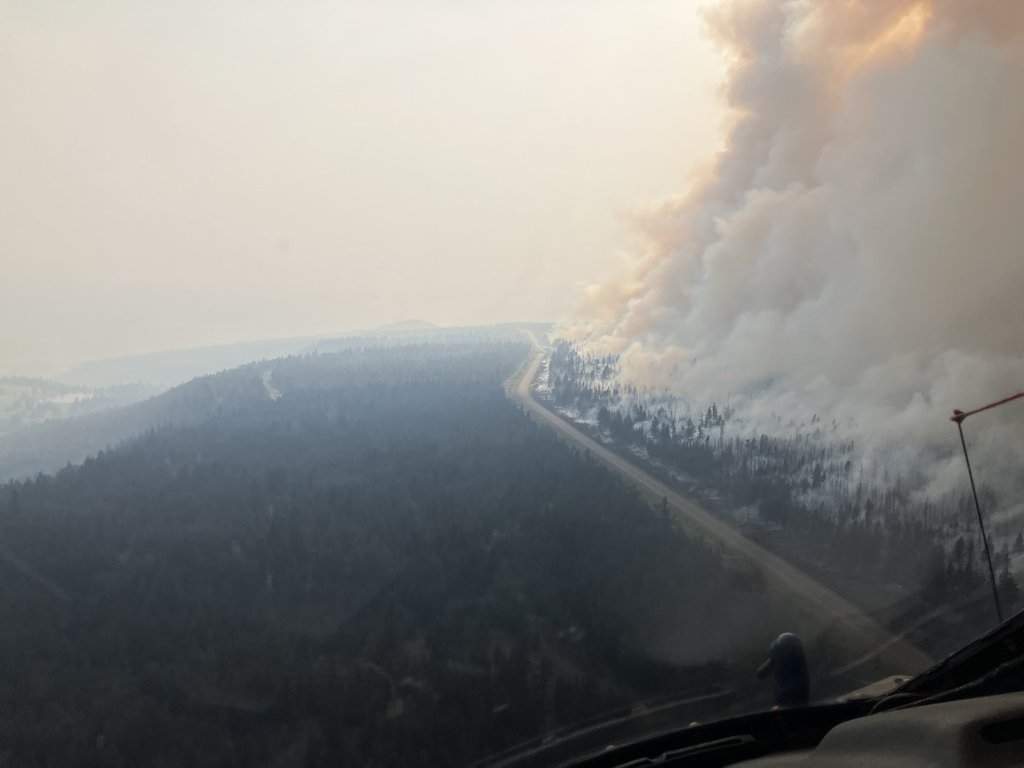
Staying behind when an evacuation order drops isn't brave. It's a massive gamble. Last season, emergency services in British Columbia faced a familiar and frustrating headache. A property owner decided to ignore an official evacuation order, thinking they could ride out an advancing blaze. Within hours, conditions shifted dramatically. The fire surged, escape routes vanished, and that same resident had to call 911 for a high-risk rescue.
First responders risked their lives to save someone who had explicit warnings to leave. This scenario highlights a dangerous trend during wildfire season. People underestimate how fast a fire moves.
The Reality of Wildfire Spread
Flames don't crawl. They sprint. Under dry and windy conditions, a wildfire can devour terrain faster than a car can drive. When authorities issue an evacuation order, they base that decision on predictive models, wind patterns, and fuel loads. They don't do it lightly.
If you stay, you aren't just putting yourself in danger. You create a ripple effect.
- Emergency crews have to divert resources from containment to rescue missions.
- Firefighters are forced to enter unsafe zones to pull out stubborn residents.
- Local infrastructure gets tied up managing avoidable crises.
Why People Stay Behind
Stubbornness plays a role, but so does fear. Many residents worry about looting. Others want to protect their pets, livestock, or property from spot fires. They think they can stay with a garden hose and beat back the flames.
That mindset is fatal. A garden hose relies on municipal water pressure or local electricity. Both fail the moment power lines burn or pumps melt. Once the smoke rolls in thick, visibility drops to zero, and carbon monoxide makes breathing impossible without specialized gear.
The Cost of Rescues
Calling for help when things go sideways shifts your bad choice onto professional rescuers. Search and rescue teams operate in extreme danger during active fires. Helicopters struggle to fly through heavy smoke and erratic winds. When you ignore an order, you write a blank check that emergency crews have to cash with their own safety.
What You Should Do Instead
Listen to local authorities the first time. Pack your go-bag early. Map out multiple evacuation routes before fire season even starts. If an alert drops, take it seriously. Evacuate early while roads are clear and visibility is high. Protect your community by staying out of the way so the people with hoses can do their jobs.