Cold.
That is the first word that comes to mind when you watch an old empire realize its western doors have slammed shut, one sanction package at a time. For centuries, Russia looked west toward St. Petersburg's canals, toward Paris salons, toward Berlin's factories and Brussels' boardrooms, seeing itself in Europe's mirror even when Europe looked away. Now, with European Union pressure tightening around Moscow's economy and military supply chains, those western doors aren't merely bolted—they are painted over. Don't forget to check out our recent coverage on this related article.
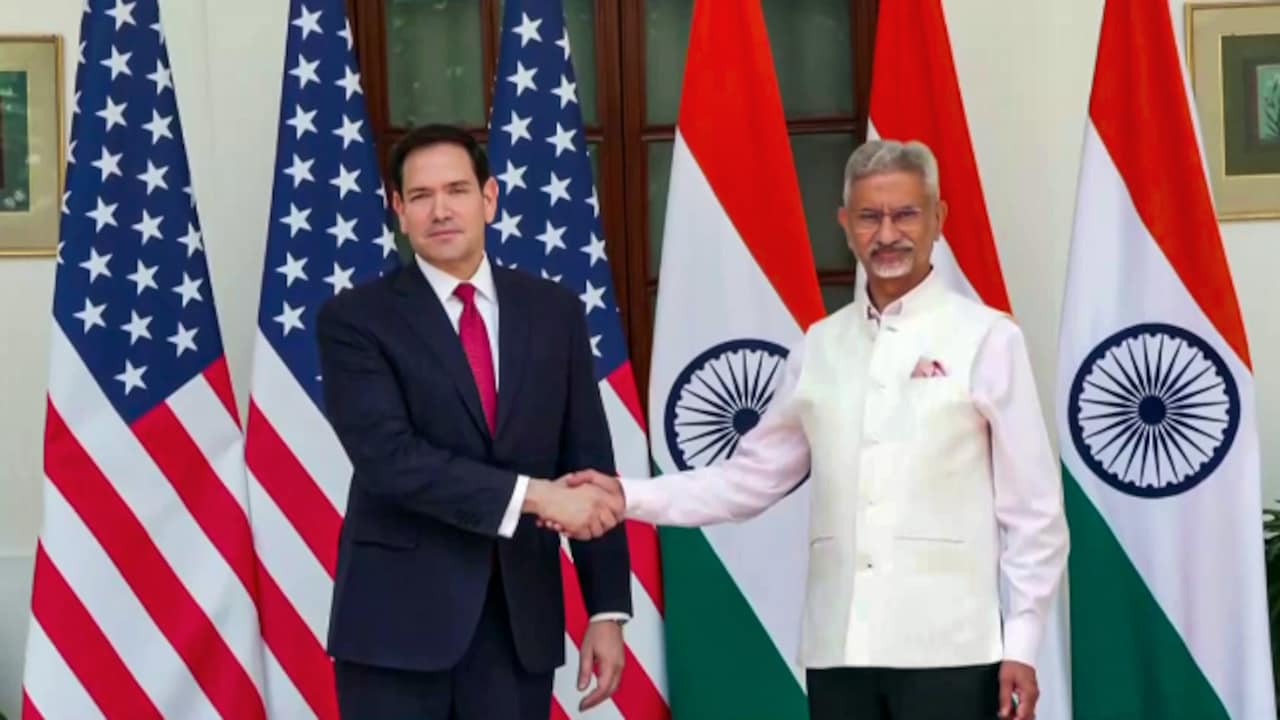
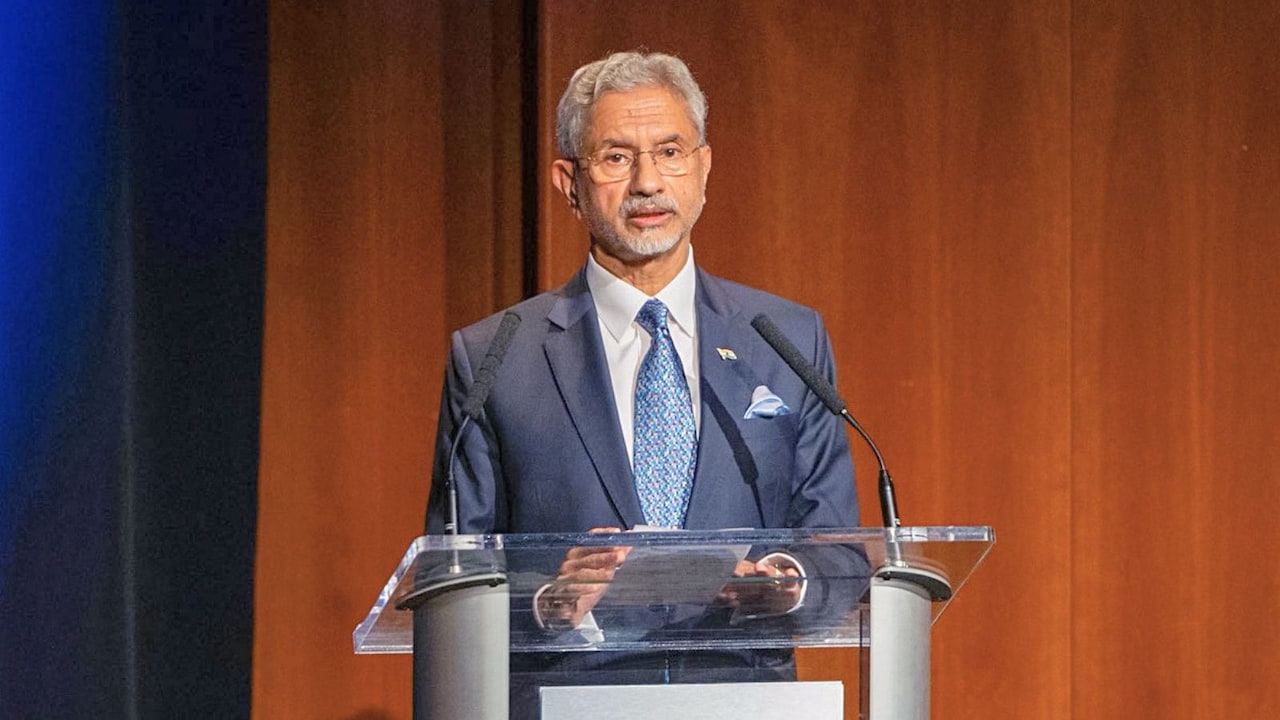
In October 2026, India's External Affairs Minister S. Jaishankar laid out the cold arithmetic of that rupture without flinching. Because Russia's relationship with Europe has grown broken and embittered in the wake of the war in Ukraine, Moscow has had to turn toward Asia. And when Russia looks east, much of its gravitational pull bends toward China. Into that power dynamic, Jaishankar offered a quiet, pointed reminder: India is a "natural option" for Russia beyond China, built on decades of steady relations that have helped keep Asia's balance of power from tipping entirely onto one side.
To outsiders watching from Washington or Brussels, that sounds like a contradiction. How can New Delhi talk of a strategic partnership with the United States—even negotiating trade terms—while calmly reassuring Moscow as European sanctions mount? Honestly, it confuses me too at times, especially when the stakes feel this high and the moral lines in global capitals are drawn with such certainty. Yet if you step away from cable-news outrage and look at the people sitting inside those ministries, the logic becomes starkly clear. To read more about the history of this, The Guardian provides an informative breakdown.
The Weight of a Locked Door
Picture a mid-level trade official in Moscow—let's call him Vikram, a purely hypothetical composite character created to illustrate how these pressures play out on the ground. Vikram isn't a Kremlin warlord. He is a technocrat whose job used to be smoothing customs paperwork and industrial contracts between Russian suppliers and buyers across the continent. Over the past few years, every flight route, payment rail, and spare-parts line he once relied on in Europe has grown narrower, riskier, or outright banned under new EU restrictions targeting military-adjacent goods, microcircuits, and navigation gear.
When Vikram opens his morning ledger now, his options in Asia look lopsided. China is huge, fast, and indispensable to Moscow's survival in a sanctioned world. Relying almost exclusively on one giant neighbor, however, creates its own quiet dread: what happens when your only lifeline is also your most formidable geopolitical rival in the region?
(Author's note: Using a metaphor here—think of a traveler walking across thin ice where one side leads to a steep cliff and the other leads to a crowded tollbooth. A second path doesn't erase the frost, but it changes how you step.)
That is what Jaishankar meant when he noted that Russia is turning more toward Asia, largely toward China, and that India remains a natural alternative. Not out of sentimentality alone, though history matters. Because when Moscow has choices beyond Beijing, Asia's equilibrium holds steadier. A one-option Russia inside an Asian pivot would tilt the board dramatically.
Why New Delhi Holds the Line
Walk through the corridors of South Block in New Delhi after a long monsoon rain and you smell wet sandstone, old paper files, and sharp cardamom tea from a canteen cart. Having spent years covering and studying how smaller and mid-sized powers survive between giant blocs, I have learned that diplomats rarely act on slogans. They act on memory and risk.
Indian policymakers remember moments when distant capitals lectured New Delhi while quiet, dependable channels mattered most. They also look at the map every single day. Along the Line of Actual Control in the Himalayas, stability with China remains an unresolved, high-stakes test. If Russia drifts into total economic and strategic dependence on Beijing, India loses breathing room on its northern frontier.
So New Delhi keeps its ties with Moscow alive. Not as a blank check, and not in isolation from the rest of the world. India has pushed for diplomatic off-ramps—including peace proposals aimed at halting energy and shipping strikes and securing safer passage in the Black Sea—while simultaneously working through complex trade negotiations with Washington.
In multipolar diplomacy, refusing to burn an old bridge isn't the same as building a wall around everyone else.
Consider what happens next if India simply severed ties with Russia to please Western critics:
- Moscow's tilt toward Beijing would become even more one-sided, narrowing Russia's own strategic horizon.
- New Delhi would sacrifice decades of diplomatic access and influence that help keep regional balances from snapping.
- A vital channel of communication between a sanctioned Russia and the wider global economy would shrink even further.
The Invisible Costs Behind the Headlines
None of this is bloodless or tidy. High diplomacy always casts long shadows over ordinary lives.
Consider another hypothetical character—let's call her Ananya, an Indian engineering graduate whose family relies on remittances and steady domestic energy prices. When global sanctions squeeze oil markets or shipping lanes, Ananya doesn't read a diplomatic communique first; she feels it at the fuel pump, in freight costs, or in the anxious phone calls of families worried about misled job recruits caught near foreign conflict zones. Real people pay the friction tax of great-power clashes.
There is also real tension in Western capitals. European leaders see a war on their doorstep and push harder with sanctions, while debates in Washington swirl around energy ceasefires, tariffs, and trade deals. Jaishankar has been candid that major economies are negotiating hard with the United States on trade terms, and that India's partnership with Washington rests on real shared interests—even without becoming a formal military alliance.
| Geopolitical Actor | Core Pressure Point | Strategic Move |
|---|---|---|
| Russia | Strained ties with Europe and broadening EU sanctions | Pivots toward Asia, leaning heavily on China while valuing India as an alternative |
| India | Border stability with China, energy/trade pressures, and US negotiations | Maintains steady Russia ties to preserve balance and autonomy alongside US engagement |
| Europe & US | Ongoing war in Ukraine and security/sanctions enforcement | Tightens sanctions pressure while pursuing ceasefires and bilateral trade talks |
Yet critics ask a fair question: can India really walk two tightropes at once without losing its balance? It is a fair doubt. History punishes overconfidence in foreign policy. If one wire frays—whether through harsher secondary sanctions or a sudden shock in Eurasia—every step becomes heavier.
Still, there is a difference between recklessness and stubborn realism. India isn't pretending the rift between Moscow and Europe doesn't exist. Jaishankar called it plainly: Russia's relationship with Europe is broken and embittered, forcing Moscow to look east. Precisely because the ground beneath Eurasia has shifted, keeping a steady, predictable footing with Russia gives both countries—and the broader balance in Asia—something rare in a fractured decade: room to maneuver.
A winter wind still blows across the steppe, rattling frosted windowpanes in Moscow while monsoon clouds gather high above the Himalayas; between them, India keeps its lamp lit, steady enough to guide a ship through dark water without surrendering the helm.
We Don't Forget... Jaishankar's Blunt Defence Of India-Russia Ties
This video clip highlights Jaishankar's direct defense of India's longstanding ties with Russia amidst Western scrutiny and shifting global alignments.