India handed over 4.5 tonnes of emergency medical supplies to Kenya at Nairobi's Jomo Kenyatta International Airport. Indian High Commissioner Adarsh Swaika delivered 279 packages directly to Kenya's Health Cabinet Secretary Aden Duale. The shipment aims to strengthen local defenses against Ebola and other infectious threats across East Africa.
Most news outlets cover these shipments as routine photo opportunities. Diplomat meets politician, hands over boxes, takes a photo, done. But looking closely at the actual gear inside those crates reveals a much bigger story about health defense across the Global South.
What Was Inside the 4.5 Tonne Shipment
This shipment wasn't just filled with basic bandages or generic pills. It targeted the specific vulnerabilities healthcare workers face when an outbreak hits.
The 279 packages contained essential gear designed for rapid frontline deployment:
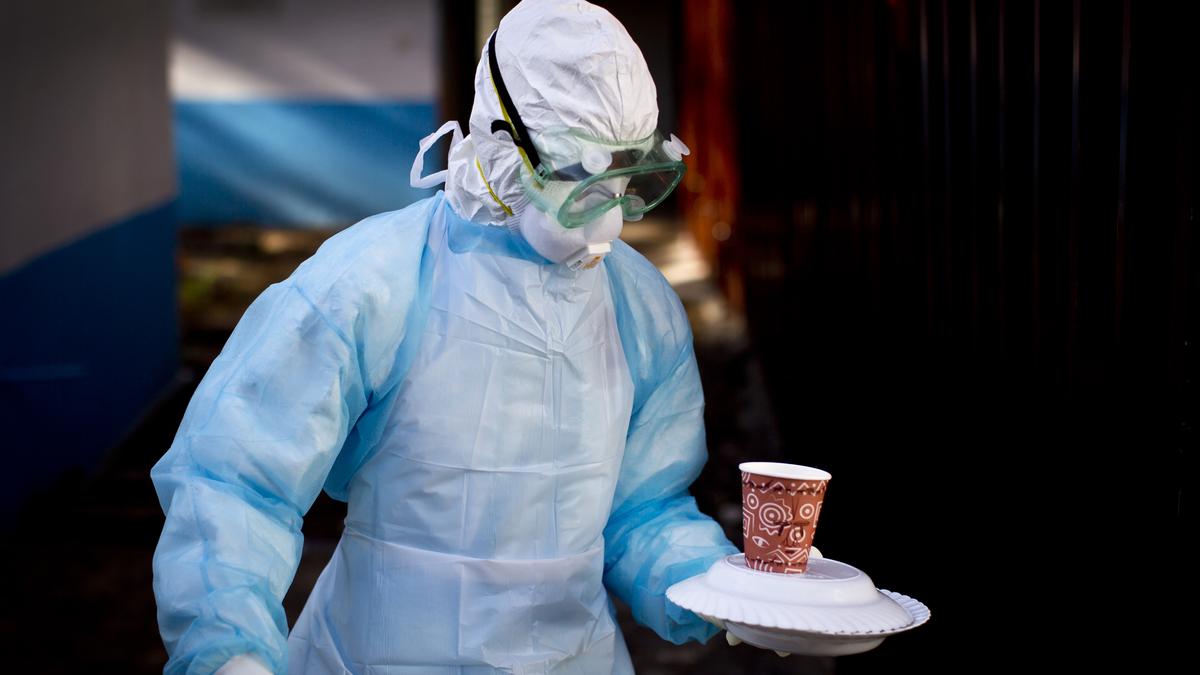
- Personal Protective Equipment (PPE) kits to shield doctors and nurses during direct patient care.
- Sample transportation kits that keep viral specimens intact and safe during transit to laboratories.
- Infrared thermometers and face shields for rapid screening at border points and triage clinics.
- Heavy-duty protective boots built to withstand hazardous environments during deep disinfection routines.
When Ebola emerges, frontline workers risk their lives within hours if they lack basic barriers. Supplying these specific items directly targets containment at the source before localized cases spiral out of control.
Moving Beyond Emergency Patch Jobs
Outbreaks move fast. Waiting until cases spike inside a country to order protective gear usually leads to disaster.
This 4.5-tonne delivery serves as the first tranche of a larger medical commitment, with a second shipment scheduled to bring heavier diagnostic hardware soon. Rather than acting as a band-aid solution, these supplies feed straight into the Kenya National Public Health Institute.
It bolsters disease surveillance. It secures sample collection channels across county borders. It keeps regional health infrastructure from collapsing under sudden pressure.
This deployment didn't happen in isolation either. Earlier this summer, New Delhi dispatched over 45 tonnes of medical gear to the Africa Centres for Disease Control and Prevention to address broader viral threats across central and eastern Africa.
The Broader Health Footprint Between Both Nations
Emergency aid grabs headlines, but routine cooperation builds real resilience. The health bond between India and Kenya runs deep across several layers of public medicine:
- Pharmaceutical Supply Chains: Indian generic manufacturers produce over 50% of the pharmaceutical products used throughout Kenya's health system.
- Infrastructure Grants: India previously donated a Bhabhatron radiotherapy unit to Kenyatta National Hospital to expand local cancer treatments, along with advanced imaging systems for military health facilities in Mombasa.
- Medical Travel: Over 10,000 Kenyan patients travel to Indian medical centers each year for specialized surgeries and tertiary care.
During the COVID-19 pandemic, India delivered 1.12 million vaccine doses to Kenya through its Vaccine Maitri initiative. Showing up early with practical medical supplies during health scares has become a familiar pattern.
What Comes Next for Regional Preparedness
Sending gear is only step one. Equipment sitting in airport hangars saves zero lives.
To turn this shipment into real security, local health authorities are focusing on three main steps:
- Immediate Distribution: Getting protective kits out of Nairobi warehouses and into rural border health facilities immediately.
- Staff Briefings: Ensuring regional teams use sample collection kits correctly so testing turnaround times stay low.
- Preparing for Tranche Two: Setting up facilities to receive the heavier diagnostic equipment scheduled in the upcoming delivery wave.
Strong public health defense relies on having equipment ready before a crisis starts. Keeping frontline workers equipped keeps regional borders open and communities safe.

/https://i.s3.glbimg.com/v1/AUTH_e84042ef78cb4708aeebdf1c68c6cbd6/internal_photos/bs/2026/g/B/3vpkvHQKizRKAfzDxjXA/vini-jr-antes-e-depois.jpg)