Brussels is doubling down on a financial experiment that shifts the cost of war from taxpayers to frozen Russian assets. The European Union has finalized a 90 billion euro loan package intended to keep Ukraine’s government and military functioning through 2027. Unlike previous aid, this isn't a gift, but it isn't exactly a debt Kyiv is expected to pay back either. The mechanism is designed to let Ukraine borrow against the future reparations Russia will eventually be forced to provide, using interest from $210 billion in seized Russian central bank assets as the ultimate backstop.
This maneuver avoids the political suicide of direct asset confiscation while providing a massive cash injection. The money arrives in two equal tranches of 45 billion euros for 2026 and 2027. It is a lifeline for a nation whose 2026 budget deficit remains a gaping wound. Read more on a similar issue: this related article.
The mechanics of a no-repayment loan
The structure of this deal is a legal contortion designed to bypass the gridlock of European politics. The EU will borrow the full 90 billion euros on international capital markets, using the "headroom" of the collective EU budget as a guarantee. This allows Brussels to secure low interest rates that Ukraine could never get on its own.
Ukraine receives the cash as an interest-free loan. The terms state that Kyiv only becomes liable for the principal once a formal peace treaty or reparations agreement is signed with Moscow. If that day never comes, the EU intends to use the cash flows from frozen Russian assets held in European clearinghouses like Euroclear to service and eventually settle the debt. It is a "limited recourse" loan. This means if the Russian money disappears or the legal landscape changes, the EU budget—and by extension, the member states—is left holding the bill. More analysis by NPR delves into comparable views on the subject.
Breaking the blockade
The path to this 90 billion euros was nearly severed by internal dissent. Hungary, Slovakia, and the Czech Republic initially balked at the plan. Their resistance was only broken through a mechanism called enhanced cooperation, which allowed the other 24 member states to move forward without them. This effectively sidelined Budapest’s veto power, though it required a complex legal rewrite of how the EU issues debt.
The political weather changed abruptly on April 12, 2026. The defeat of Viktor Orban in the Hungarian elections and the subsequent rise of Peter Magyar have removed the final obstacle. With the Druzhba pipeline resuming oil flows through Ukrainian territory this week, the last bit of leverage held by the holdouts has evaporated. The first checks are expected to be cut by the end of June.
Where the money actually goes
This is not a blank check for reconstruction. The EU has explicitly earmarked the funds to ensure Ukraine doesn't just survive, but remains a credible military force.
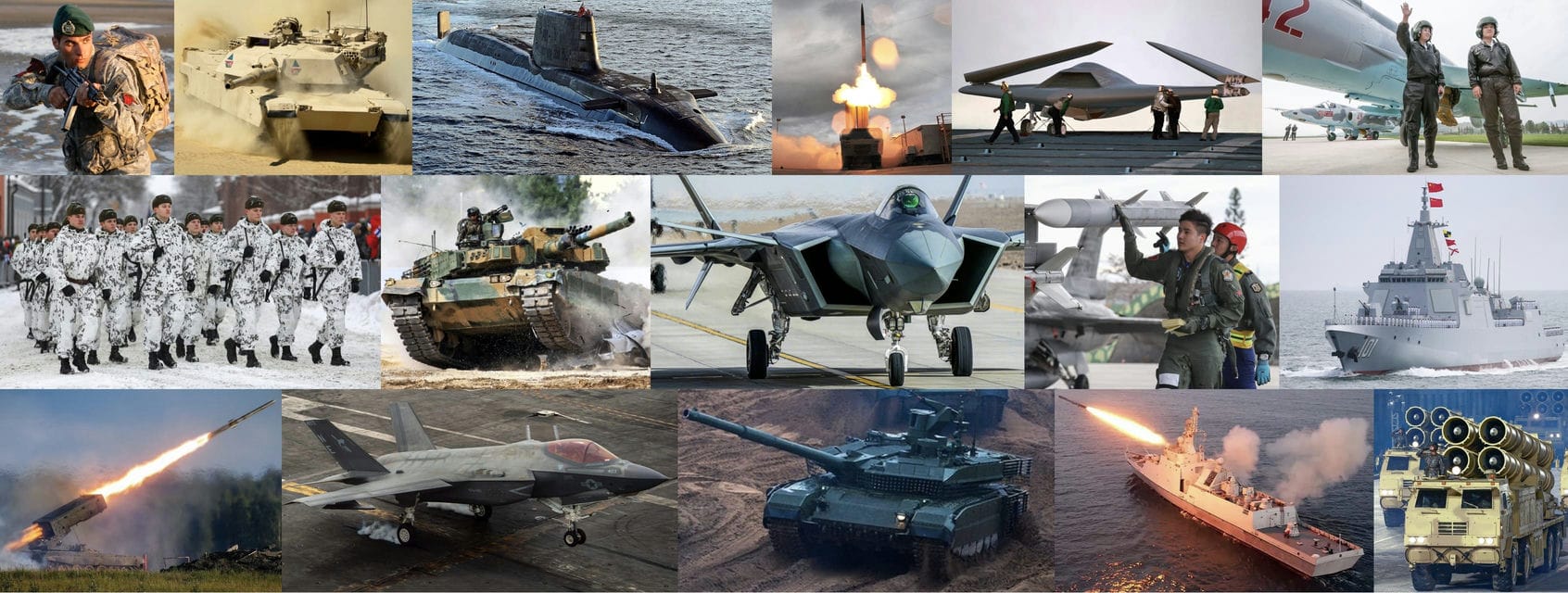
- Military Industrial Base (60 billion euros): This is the lion's share. The funds are designated for "defence industrial capacities." Crucially, the rules require that equipment be sourced from the EU, the European Economic Area, or Ukraine itself.
- Macro-Financial Assistance (30 billion euros): This portion keeps the lights on. It pays the salaries of teachers, doctors, and civil servants, preventing the total collapse of the Ukrainian social contract.
The focus on local and EU-based manufacturing is a strategic pivot. By funneling 60 billion euros into the defense sector, the EU is essentially subsidizing its own arms industry while arming Kyiv. There is a catch: if a specific weapon system—like the drones Ukraine needs immediately—cannot be produced in Europe fast enough, the Commission can trigger a "fast-track" derogation to buy from third countries.
The drone exception
The war has proven that traditional procurement is too slow. As part of the April 2026 rollout, the Commission authorized a specific exemption for drone technology. Ukraine is now permitted to use loan funds to immediately procure unmanned aerial vehicles from whoever can deliver them the fastest. This acknowledges a harsh reality. While the EU wants to build its own industrial base, the frontline cannot wait for a three-year manufacturing cycle.
The risks of the Russian backstop
The entire 90 billion euro house of cards rests on the assumption that Russian assets will remain frozen indefinitely. This is a massive legal gamble. International law on sovereign immunity is clear, and the move to use these assets—even just the interest they generate—is being watched closely by other nations like China and Saudi Arabia. If these countries fear their own assets could be next, they may pull reserves out of the Euro, weakening the very currency backing the loan.
There is also the matter of the "Reparations Loan" dialogue. The European Parliament has demanded strict oversight, including six-monthly reviews of how Ukraine is spending the money. If corruption scandals emerge in Kyiv, the flow of cash can be paused. This conditionality is the only thing keeping the "frugal" northern European states from revolting against the plan.
The 45 billion euro gap
Even with 90 billion euros, Ukraine is not fully funded. The IMF estimates the total financing gap for 2026-2027 at roughly 135 billion euros. The EU is providing two-thirds of the total. The remaining 45 billion euros must come from the G7, primarily the United States and the United Kingdom.
The UK recently transferred its final tranche of £752 million under a separate G7 initiative, but the American contribution remains a volatile variable. If Washington pulls back, the EU will face a brutal choice: let Ukraine’s economy crater or find another 45 billion euros in a budget that is already stretched to its breaking point.
Looking at the collateral
The "collateral" for this loan is a ghost. It consists of assets that the EU does not technically own and a promise of reparations from a Russian government that currently has no intention of paying. By labeling this a loan rather than a grant, the EU avoids an immediate hit to its national budgets, but it creates a long-term liability that will linger for decades.
The success of this 90 billion euro venture depends entirely on the outcome of the war. If Ukraine wins and a settlement is reached, the debt is settled by Russia. If the conflict freezes or Ukraine loses territory, the European taxpayer will eventually have to confront the reality that this "loan" was a grant in all but name.
The move marks the end of the era of "as long as it takes" rhetoric and the beginning of "whatever we can engineer." Brussels has built a financial bridge to 2027, but the pillars are made of frozen assets and political compromises. The first 45 billion euros hit the market this quarter. Watch the bond yields; they will tell you if the market believes this gamble will pay off.