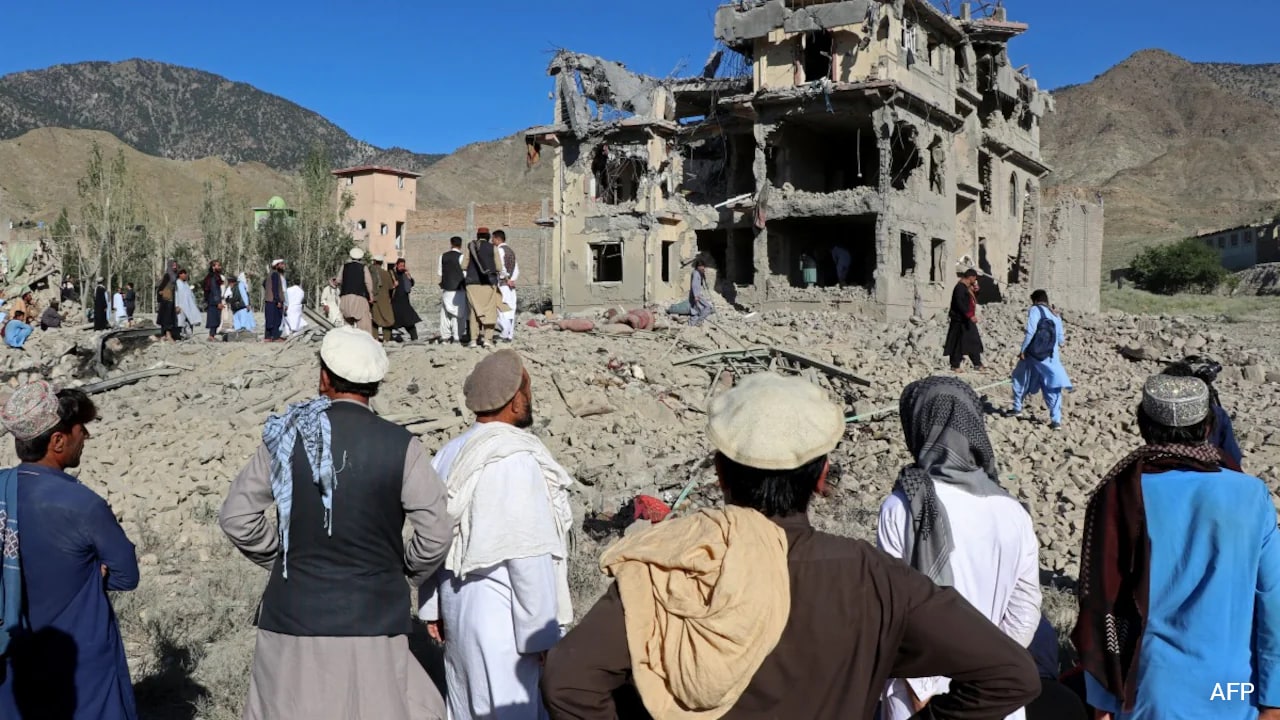
The overnight bombardment of eastern Afghanistan by Pakistani fighter jets and ground forces has laid bare the catastrophic failure of regional diplomacy and the dangerous evolution of cross-border warfare. While initial reports framed the June 2026 strikes as a routine counter-terrorism operation, the use of a highly controversial double-tap strike tactic in Paktia province signals a grim shift in Islamabad's military posture.
By hitting the exact same residential target twice—once to strike a suspected militant hideout and a second time after local villagers gathered to rescue survivors—the operation ensured maximum lethality. This method has drawn fierce condemnation from humanitarian groups for deliberately targeting first responders. The strikes across Paktia, Paktika, and Kunar provinces have left at least 35 dead, exposing the deep-seated intelligence failures, tactical desperation, and systemic breakdown of deterrence that define the current 2026 Afghanistan-Pakistan war. If you found value in this article, you might want to look at: this related article.
The Strategy of Attrition
The official narrative from Islamabad, delivered by Information Minister Attaullah Tarar, claims the operation was a flawless, intelligence-based success under the banner of Operation Ghazab lil Haq. The state maintains that its precision strikes neutralized 29 high-value militants belonging to Jamaat-ul-Ahrar and Fitna al-Khwarij—the state's designation for the Tehrik-e-Taliban Pakistan (TTP). According to the military, the action was a direct, calibrated reprisal for a brazen militant assault on the paramilitary Rangers headquarters in Karachi just days prior.
The view from the ground in the Chamkani district of Paktia province tells a starkly different story. Local testimony and statements from the Afghan Taliban ministry detail a brutal reality. The initial strike flattened a civilian home, killing an elderly man and a child. When the neighborhood rushed to dig the family out of the smoking rubble, the second wave of munitions hit. For another angle on this event, see the latest coverage from Al Jazeera.
This double-tap tactic is rarely an accident. It is a deliberate choice designed to break the local support structure of an insurgency. In the brutal logic of irregular warfare, the civilian population becomes the battlefield. By targeting the rescue effort, the operating forces send a chilling message to border communities: harboring or living alongside non-state actors carries a lethal price tag, regardless of whether that proximity is voluntary or coerced.
The Mirage of Sanctuaries
The core of this escalating conflict lies in a fundamental geopolitical friction. Pakistan accuses Kabul’s Taliban government of providing safe haven to the TTP, allowing them to plan and execute devastating attacks inside Pakistan before retreating across the Durand Line. Kabul denies this, pointing to the civilian casualties as evidence of unprovoked foreign aggression.
The reality is far more complex than simple state sponsorship. The border region is defined by rugged, porous terrain where central authority has historically gone to die. The Afghan Taliban, while ideologically aligned with the TTP, governs a fractured country and lacks either the administrative capacity or the political will to aggressively police its eastern borderlands. For Kabul, turning its guns on fellow Islamist militants who aided their own insurgency against Western forces risks triggering an internal mutiny.
Consequently, Pakistan has abandoned the expectation of diplomatic cooperation. The collapse of internationally mediated peace talks in Istanbul, alongside failed diplomatic tracks hosted by China and Qatar earlier this year, has left the military establishment in Rawalpindi relying entirely on kinetic force. Airpower has become a blunt instrument to enforce a security zone that diplomacy failed to secure.
A Cycle of Broken Deterrence
The strategic calculus behind these cross-border incursions is failing to achieve its primary objective. Rather than deterring non-state actors, the reliance on heavy ordnance and high-casualty tactics is fueling a vicious cycle of radicalization and retaliation.
The TTP and its splinter factions, such as Jamaat-ul-Ahrar, have proven remarkably resilient. They operate in highly decentralized cells. When an airstrike destroys a border outpost or a village home, the insurgent infrastructure rarely suffers a permanent blow. Instead, the resulting civilian casualties provide a powerful recruiting tool. Images of dead children and ruined villages circulate rapidly through digital networks, undermining the legitimacy of Pakistan's security operations and hardening anti-Pakistan sentiment among the border tribes.
The kinetic approach also forces the Afghan Taliban into a corner. To maintain its domestic credibility as a sovereign defender of Afghan soil, Kabul must respond. Following the late February escalation that initiated this formal border war, Afghan forces launched retaliatory artillery barrages against Pakistani military outposts. Each turn of the wheel drives both nations deeper into a protracted, conventional conflict that neither country can financially or socially afford.
The Economic and Geopolitical Cost
The long-term consequences of this military deadlock extend far beyond the immediate casualty lists. The persistent instability is actively destabilizing two nations already teetering on economic ruin.
- Mass Displacement: According to UN figures, the fighting since February has displaced over 115,000 Afghan civilians and thousands of Pakistani border residents, straining humanitarian aid networks to their breaking point.
- Trade Paralysis: Vital commercial arteries, including the Torkham and Chaman border crossings, face frequent closures, choking off bilateral trade and hurting local economies dependent on transit wealth.
- Security Vacuum: The mutual bleeding of Pakistani and Afghan security forces creates an ideal environment for regional wildcards, specifically the Islamic State Khorasan Province (ISKP), to expand its footprint in the ungoverned spaces.
The standard playbook of cross-border air raids has hit a wall of diminishing returns. Without a verifiable, enforceable border management framework and a realistic political strategy that addresses the tribal realities of the Durand Line, high-altitude strikes will continue to yield little more than temporary tactical pauses and permanent civilian tragedies. The double-tap strikes in Paktia may have been intended to project absolute resolve, but in reality, they demonstrate a strategy running dangerously low on options.