Modern espionage has moved past the cinematic tropes of trench coats and microfilm. Today, it looks like a 31-year-old man sitting in a Swindon home, scrolling through Google Maps, and messaging handlers on Telegram.
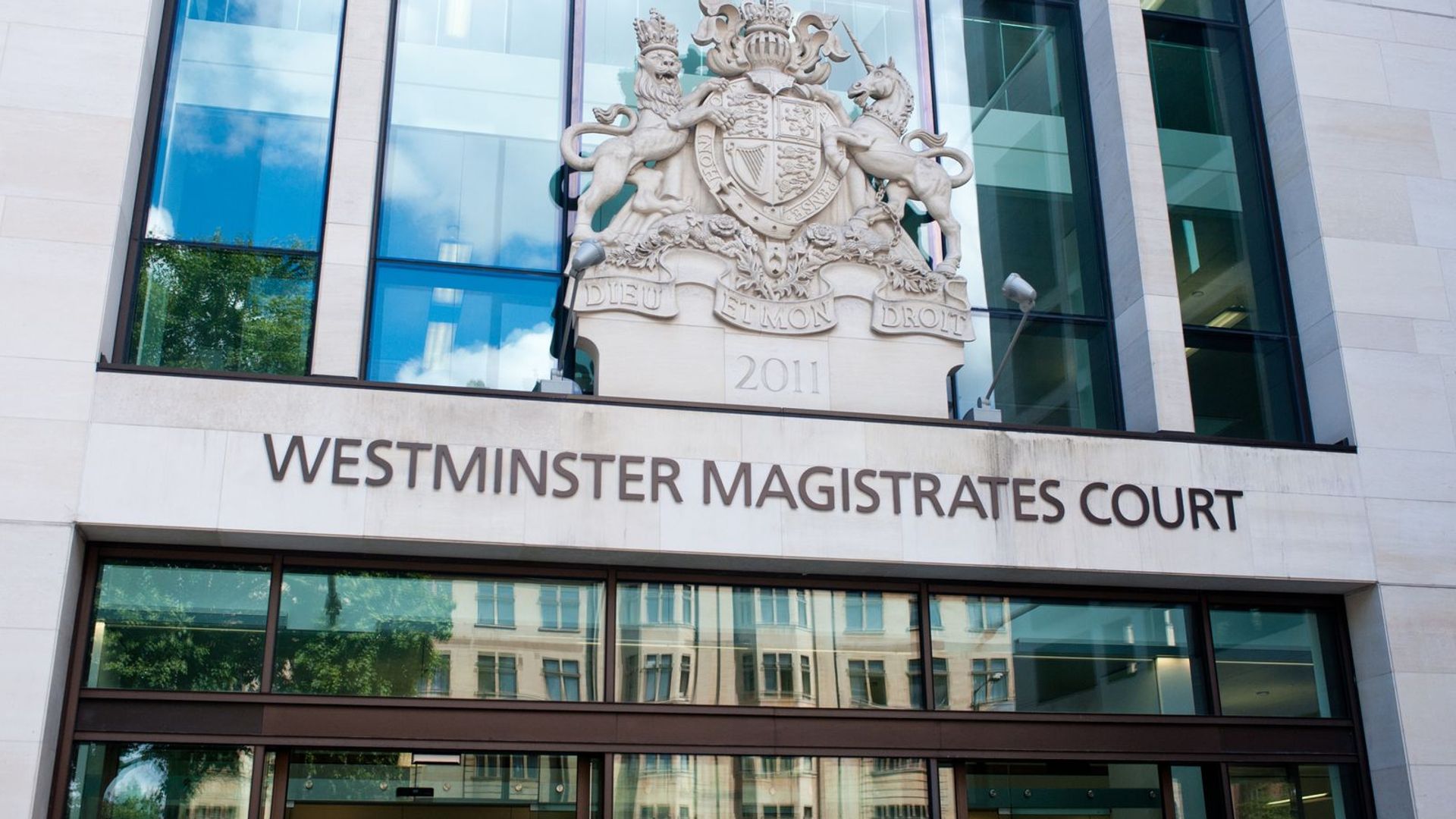
When Counter Terrorism Policing officers arrested Joshua Cammidge at his property on Galsworthy Close, they uncovered a chilling snapshot of modern hybrid warfare. Cammidge stands accused of preparing to sabotage British drone manufacturing sites on behalf of Russian intelligence. The case, heard at Westminster Magistrates' Court, lays bare how foreign states increasingly recruit domestic proxies to execute hostile acts on British soil.
The Anatomy of an Alleged Sabotage Plot
The details emerging from the courtroom reveal a targeted focus on Swindon, a town that has quietly transformed into a critical hub for military drone design, testing, and production. Prosecutors laid out a timeline showing suspicious activity stretching from late March through early September.
During this window, Cammidge allegedly gathered intelligence on four distinct drone manufacturing sites. The methods were alarmingly basic. Court documents show he allegedly sent Google Maps screenshots pinpointing the exact addresses of these facilities, alongside localized operational notes. Beyond mapping out targets, investigators state he researched specialized equipment, including Wi-Fi jamming devices, to facilitate an attack.
Prosecutor Warren Stanier detailed how the digital trail shifted platforms. Communications initially began on Facebook before migrating to Telegram. Between August 28 and September 3 alone, investigators tracked 58 direct communications. The core objective of these exchanges was unambiguous: identifying factories that build unmanned aerial vehicles and plotting their destruction.
The GRU Connection and Proxy Warfare
The charges against Cammidge go far beyond standard corporate espionage or domestic vandalism. Prosecutors place his handlers within the GRU Volunteer Corps, a proxy group directly controlled by Russia's military intelligence agency.
The UK government formally designated the GRU Volunteer Corps under the National Security (State Threats) Act, making any expression of support or affiliation a serious criminal offense. British authorities view the GRU as a persistent and dangerous threat. The agency has been blamed for high-profile operations across Europe, including the 2018 Salisbury nerve agent attack.
According to the Crown, Cammidge communicated with a British national who had traveled to Russia to fight against Ukraine. Through this connection, Cammidge allegedly offered his services to foreign intelligence operatives. While Cammidge did not enter a plea during his initial appearance—and reportedly told police during interviews that he had no actual intention of causing harm—the legal weight he faces is immense. He has been charged under the National Security Act with assisting a foreign intelligence service and preparing acts of sabotage.
Why UK Infrastructure Is in the Crosshairs
Unmanned aerial systems represent the future of modern defense, a reality underscored by the ongoing conflict in Ukraine. Because the UK actively supplies and develops advanced drone technology, domestic manufacturing facilities have become prime targets for foreign disruption.
Hostile state actors often prefer asymmetric warfare tactics. Hiring local citizens to conduct reconnaissance or small-scale sabotage is cheaper, provides plausible deniability, and avoids deploying trained intelligence officers under diplomatic cover. Yet, the expansion of the National Security Act gives British counter-terrorism units broader mandates to dismantle these networks before physical damage occurs.
Cammidge remains remanded in custody. He is scheduled to appear at the Old Bailey for a preliminary hearing. As the legal proceedings unfold, the case serves as a stark reminder that the geopolitical conflicts dominating international headlines are casting a very real shadow over ordinary British industrial towns.