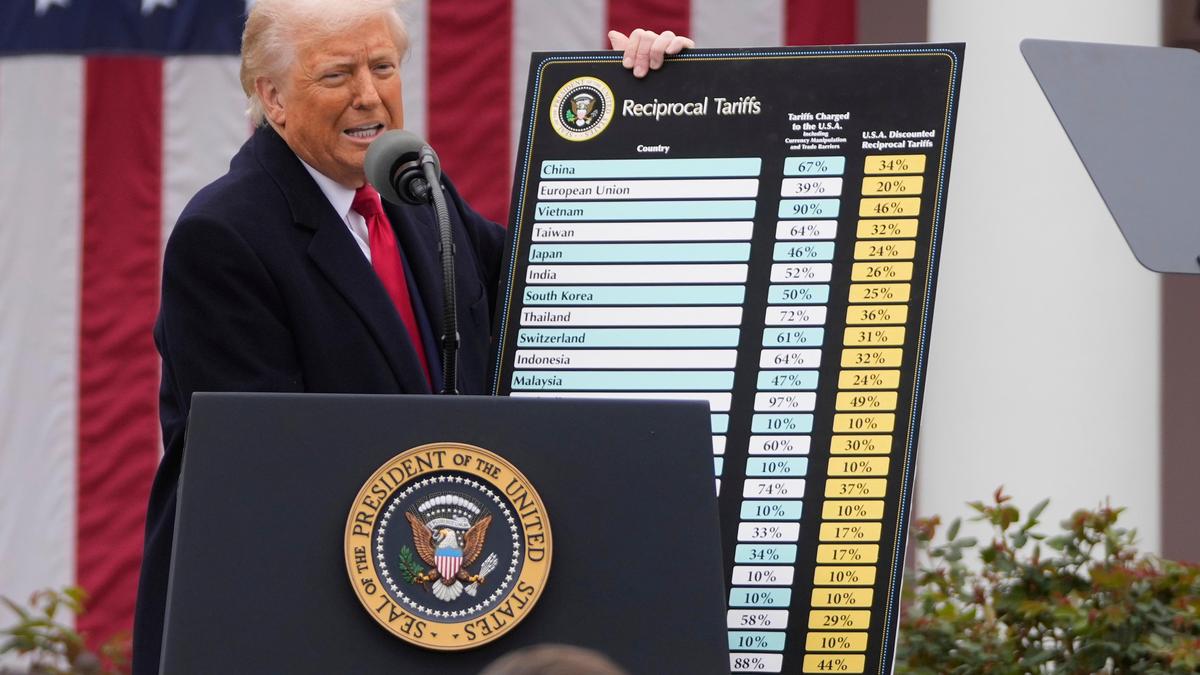
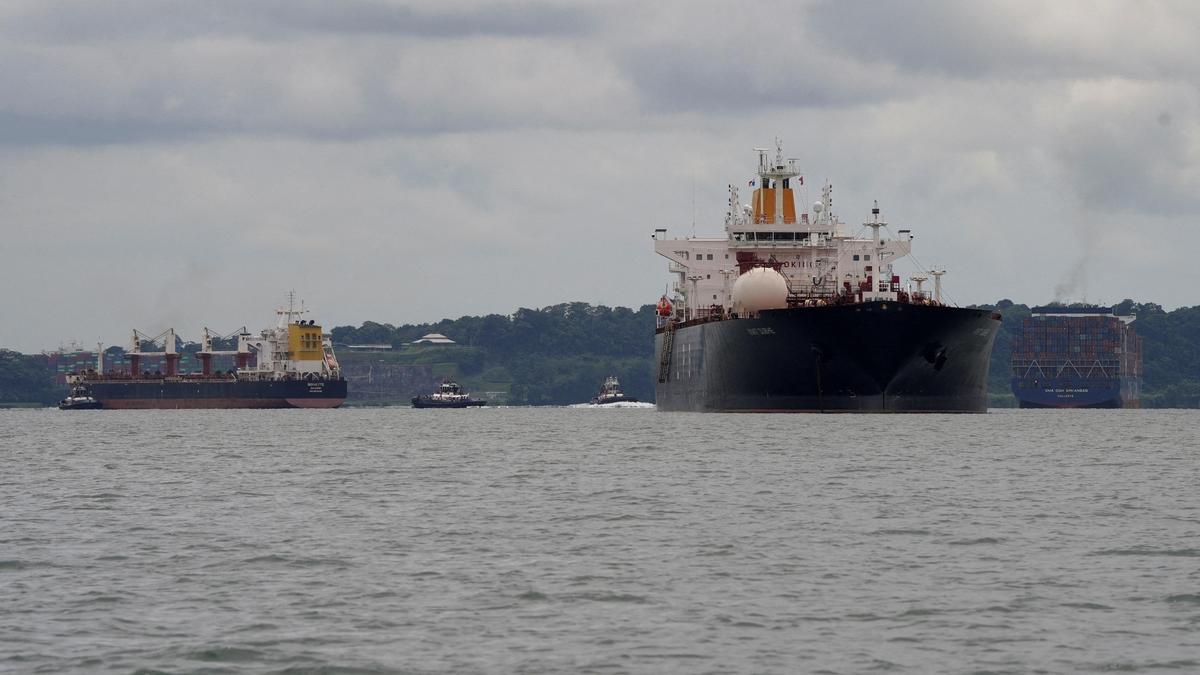
The metal can, a marvel of 19th-century engineering that stabilized the global food supply, has become the latest casualty of a 21st-century trade war. While the headlines focus on geopolitical posturing, the immediate reality is simpler and more punishing: a significant portion of the cost of your pantry staples is now a direct tax on the packaging itself. Steel tariffs, specifically those targeting the tin-plated steel required for food containers, are forcing a price hike on canned vegetables, soups, and proteins that is outpacing general inflation. This isn't just a ripple in the supply chain; it is a fundamental shift in the economics of the American grocery store.
The mechanism is straightforward. Most food cans are made from tinplate, a thin sheet of steel coated with an even thinner layer of tin to prevent corrosion. Because the United States lacks the domestic capacity to produce the specialized high-quality tinplate required by modern high-speed canning lines, manufacturers are forced to import nearly 75% of their supply. When the government levies a 25% or 50% tariff on these imports, the cost of that metal doesn't just evaporate. It moves down the line.
http://googleusercontent.com/image_content/217
The Myth of the Negligible Penny
Years ago, policymakers dismissed concerns about steel tariffs by pointing to a single can of soup. The argument was that the steel in a $2.00 can cost only a few pennies, so a 25% tariff would only add a fraction of a cent to the retail price. It was a tidy, comforting logic that completely ignored how industrial margins actually function.
In the real world, the "penny" argument falls apart because of the cumulative cost effect. A price increase at the raw material stage is rarely passed through as a raw number; it is passed through as a percentage. When a can manufacturer’s costs rise by 15%, they must raise their prices to the food processor to maintain their own thin margins. The food processor, facing higher costs for the container plus their own rising labor and energy bills, raises prices to the retailer. By the time that can of beans hits the shelf, a "negligible" tariff has ballooned into a 20 or 30-cent price increase for the consumer.
For a family living on a fixed income, 30 cents per can is not negligible. It is the difference between a full pantry and a missed meal. Canned goods have traditionally been the safety net of the American diet—shelf-stable, nutritious, and affordable. By taxing the metal that protects that food, the policy effectively taxes the survival strategy of the working class.
The Domestic Capacity Delusion
The stated goal of these tariffs is to "protect" the domestic steel industry and encourage manufacturers to buy American. However, this assumes that an American alternative actually exists in the necessary volume. For the canning industry, it doesn't.
Major domestic steel producers like Cleveland-Cliffs and U.S. Steel have focused their investments on more lucrative sectors, such as the high-strength automotive steel used in trucks and SUVs. Producing the specialized, ultra-thin tin mill products required for food cans is a low-margin, high-difficulty endeavor that many domestic mills have simply abandoned.
Why Imports are the Only Option
- Precision and Quality: Modern canning lines run at speeds of over 1,000 cans per minute. If the steel has even a microscopic defect, the entire line jams.
- Volume Shortfalls: Domestic production covers less than 30% of the total U.S. demand for tin-mill products.
- Global Supply Chain: Countries like Germany, Canada, and the Netherlands have spent decades perfecting the specific metallurgy needed for food-grade tinplate.
When the government imposes a tariff on a product that cannot be sourced domestically, the tariff ceases to be a protective measure and becomes a pure consumption tax. The canners cannot "buy American" because the American mills are not making what they need, or at least not enough of it.
The Strategic Miscalculation
The unintended consequences of these tariffs extend far beyond the grocery aisle. By making metal cans more expensive, the policy is inadvertently pushing food companies to migrate to alternative packaging, such as plastic pouches or glass. This shift is a direct blow to the very steel industry the tariffs were designed to save. If food companies stop using cans because the steel is too expensive, the long-term demand for tin-mill steel vanishes forever.
Furthermore, the "Section 232" tariffs, which justify these taxes under the umbrella of national security, create a bizarre paradox. A nation’s food security is arguably its most fundamental security interest. By driving up the price of processed vegetables and shelf-stable proteins, the policy undermines the ability of food banks and school lunch programs to provide for the vulnerable.
The Zero Sum Game of Protectionism
As of 2026, the landscape of trade has become even more complex with new proclamations modifying how these tariffs are calculated. The latest shift applies the tariff to the full customs value of derivative products rather than just the metal content. This means a finished can imported from abroad is now even more expensive than it was a year ago.
We are seeing a "cascading" effect where every step of the process is being penalized. For instance, if a company imports steel to make a can, they pay a tariff. If they import a finished can, they pay a higher tariff. If they import a canned vegetable from a country that doesn't face the same steel costs, the domestic canner loses the business entirely.
The data from the Consumer Price Index confirms the trend. While "food at home" inflation has shown signs of stabilizing in some sectors, the "canned and shelf-stable" category remains a stubborn outlier. In 2025, the effective tax increase per U.S. household due to these trade policies was estimated at roughly $1,000.
The Hard Truth for the Pantry
The reality of the canned food crisis is that there is no easy fix within the current protectionist framework. Domestic steel mills are not going to spend billions to build new tinplate facilities for a low-margin product when they can make more money selling to Detroit. Meanwhile, international suppliers are passing the tariff costs directly to U.S. buyers.
The "winner" in this scenario is a small handful of domestic steel executives and shareholders who see higher prices for their existing, limited output. The "losers" are the can manufacturers, the agricultural producers who rely on those cans to bring their harvests to market, and the millions of Americans for whom a can of soup is a daily necessity.
Trade policy is often debated in the abstract, using terms like "leveling the playing field" and "restoring industrial greatness." But for the person standing in the grocery aisle, trade policy is much more concrete. It is a 30-cent surcharge on a can of peas, collected by the government, and paid for by the person least able to afford it.
The metal can was supposed to be the ultimate democratizer of nutrition. Instead, it has become a symbol of how misplaced trade priorities can turn a staple into a luxury.
Check the bottom of your grocery receipt. That's the real cost of steel.