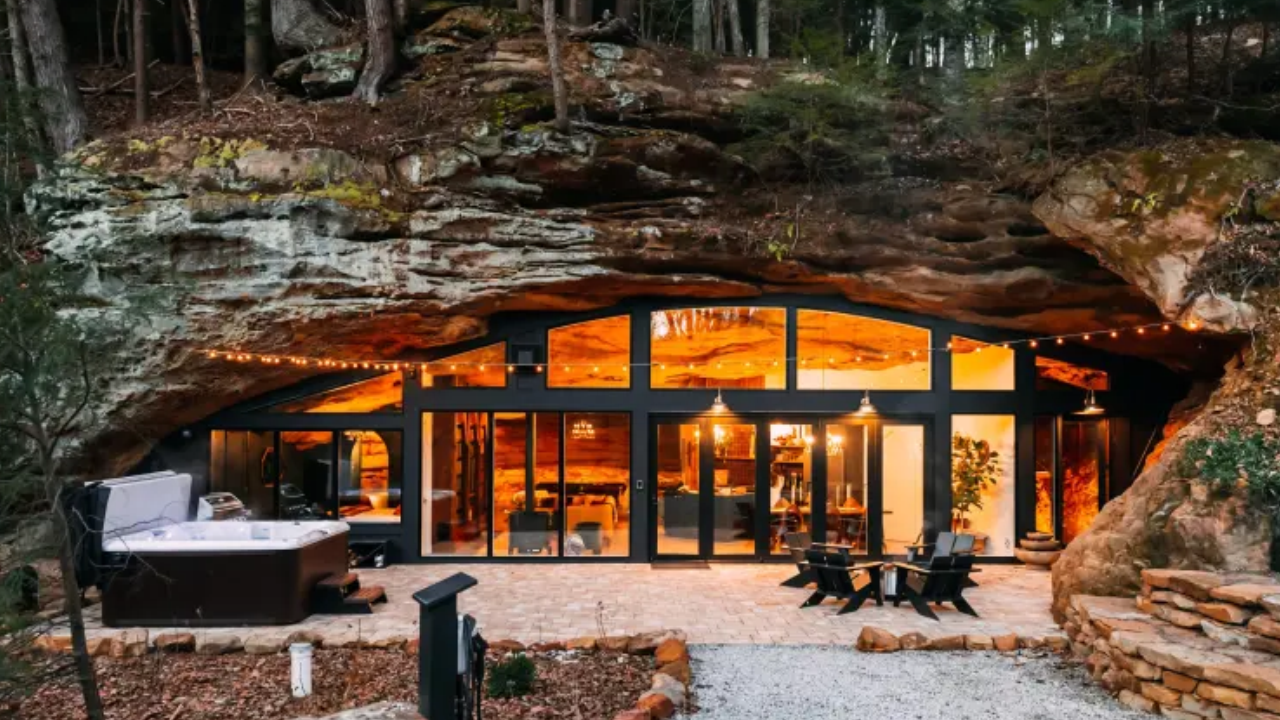
Turning a natural or excavated cave into a short-term rental works when an engineering background meets disciplined viral marketing, though most copycats stall out under moisture, code enforcement, and repeat-booking math. Every few months, a headline celebrates a couple who bought raw rock, wired in warm lighting, posted a few clips on short-form video feeds, and suddenly had a calendar full of curious travelers willing to pay a novelty premium. After watching the short-term rental market cycle through A-frames, shipping containers, treehouses, and geodesic domes, I have learned to look past the aesthetic hook and inspect the underlying unit economics.
Novelty gets a guest to click once. Infrastructure decides whether the property survives year three.
When an engineer takes on a cave conversion, the advantage is rarely a secret design trick. It is a willingness to treat rock, water, air, and municipal regulators as measurable constraints rather than obstacles to wish away. Meanwhile, social media acts as an accelerated demand engine that can fill a launch calendar before local search traffic even notices the listing exists. Yet that exact pairing—high-impact visual marketing strapped onto a complex, non-standard physical asset—creates a sharp set of operational trade-offs that surface-level coverage routinely glosses over.
Why Novelty Rentals Behave Differently Than Standard Airbnbs
Standard vacation rentals compete on location, bedroom count, cleanliness, and price per night. A cave rental competes in a completely different bracket: experiential escapism. Travelers booking a subterranean or rock-sheltered stay are rarely comparing it against a standard suburban guest house down the road. They are buying a story they can tell at dinner and a setting that feels distinct from every hotel room they have stayed in for work.
That distinction changes how pricing works. Traditional hosts fight compression on off-peak midweeks by cutting nightly rates until margins evaporate. A genuinely unusual property often holds stronger average daily rates on select nights because the experience itself is the primary draw. At the same time, occupancy can be lumpier than a conventional cottage near a major beach or ski lift. When demand is driven heavily by curiosity and social feeds, bookings can surge in waves tied to trending clips and seasonal road trips, then soften when attention shifts elsewhere.
A viral clip can manufacture urgency in forty-eight hours, but occupancy over thirty-six months depends on ventilation, drainage, cell reception, and a mattress that does not feel damp.
In the broader short-term rental sector, hosts who rely purely on third-party booking platforms frequently see margins squeezed by service fees, algorithm shifts, and intense competition among lookalike listings. Building an audience on social channels gives an operator a direct top-of-funnel advantage. Viewers watch the transformation, follow the progress, and feel invested in the finished space long before a calendar link goes live. When that audience converts into direct or early bookings, acquisition costs look very different from a host paying up to compete for generic search traffic.
Still, social media is a megaphone, not a business model. Short-form algorithms reward drama, contrast, and quick payoffs—raw stone turning into moody warmth, mud giving way to finished tile, dark corners lit with amber bulbs. Those moments make great video. They do not show the weeks spent chasing permits, rerouting runoff, or troubleshooting condensation behind a vanity.
The Engineering Reality Behind Living in Rock
Anyone who has spent enough time in real estate and construction knows that "character" in an unconventional structure is usually a polite word for non-standard problem-solving. Rock and earth do not behave like wood-frame drywall. They hold thermal mass, channel groundwater along unseen fractures, trap humidity, and complicate every utility run.
An engineer approaching a cave rental starts with physics rather than Pinterest boards. Consider a hypothetical Ohio property where a small sandstone overhang or historic cellar-like recess sits on a wooded parcel. To a casual observer, the challenge looks decorative: how do you hang shelves or place a bed so it looks cozy? To an engineer, the first questions are basic and unforgiving. Where does water go during a two-inch rainstorm? How does stale air leave the space without creating a freezing draft? What happens to indoor surfaces when warm human breath meets cool rock?
Moisture and Air Quality Are the Quiet Dealbreakers
Water is the single fastest way to ruin an unconventional rental. Subsurface and rock-adjacent spaces naturally interact with ground moisture and temperature swings. Left unmanaged, elevated relative humidity leads to musty odors, peeling finishes, warped wood, rusted hardware, and mold growth. Guests might forgive a quirky layout or a steep path from the parking area, but they leave harsh reviews over damp bedding and heavy air.
Solving moisture requires layers rather than wishful thinking. Proper exterior grading and drainage channels keep surface water away from the opening. Vapor control, breathable materials where appropriate, dehumidification sized for real air exchange, and mechanical ventilation keep the interior comfortable without turning the room into a wind tunnel. A host cannot simply crack a window the way you would in a standard bungalow if the geometry limits cross-breezes.
Utilities, Access, and Code Compliance
Bringing modern expectations into an unconventional shell tests patience and budget. Running electrical lines, potable water, wastewater disposal, and reliable internet into rock or remote terrain often costs far more per linear foot than standard residential work. Even seemingly minor details—like where a guest sets down luggage when the ground is uneven, or how someone walks safely back from an outdoor fire pit at night—shape safety and liability.
Local building departments and zoning boards also view non-traditional dwellings through their own lens. Depending on jurisdiction, a structure might be classified as a short-term rental, a primitive lodging unit, or something that triggers specific egress, sanitation, or occupancy rules. Skipping or misunderstanding local requirements can turn a promising side venture into a costly standoff with officials or neighbors. Engineering discipline helps here too: clear documentation, conservative safety margins, and realistic timelines beat improvisation every time.
How Social Media Turns an Obscure Build Into Bookings
There is a clear reason why builders of unusual spaces lean into social video. Construction is naturally episodic. Every phase—clearing brush, stabilizing rock, pouring a slab, framing a custom feature, testing lighting—has a built-in before-and-after arc. Audiences love watching slow, tangible progress unfold over time, especially when the creators explain what they are doing plainly without talking down to viewers.
When a couple documents a cave rental build authentically, three things tend to happen:
- Trust compounds before launch: Followers see the sweat, mistakes, and problem-solving firsthand, which makes the finished space feel earned rather than staged.
- Niche discovery happens organically: Algorithms are remarkably good at matching unusual visual hooks with travelers who actively search for unique stays, road-trip stops, and weekend getaways.
- Launch momentum arrives early: By the time the doors open, a core group of followers already knows the story and wants to experience the result in person.
Yet relying on viral reach carries its own trap. A single high-performing video can flood a new listing with inquiries and fill prime weekends months ahead. Then the next five posts might get modest views, leaving the operator wondering why momentum cooled off. Sustainable demand comes from turning fleeting viewers into repeat visitors, word-of-mouth advocates, and search-friendly listings that still book when the algorithm moves on to another trend.
| Growth Lever | What It Does Well | Where It Falls Short |
|---|---|---|
| Short-form video build logs | Builds audience attachment and drives fast early awareness at low media cost | Unpredictable reach; views do not automatically equal completed bookings |
| Novelty property design | Commands strong attention and differentiates the stay from standard rentals | High upfront complexity; novelty alone does not guarantee repeat stays |
| Operational polish & comfort | Protects reviews, lowers maintenance surprises, and drives referrals | Less photogenic than construction clips; requires steady day-to-day discipline |
The Economics Behind the Hype
Headlines love clean success stories because they fit neatly into a few paragraphs. Real hospitality economics are messier. Even when a property generates strong nightly rates, net profit depends on capital outlay, operating overhead, seasonality, and how much labor the owners put in themselves.
Start with upfront capital. Buying land with the right topography, engineering access and utilities, waterproofing, furnishing, and permitting can consume cash long before the first guest checks in. If the owners do much of the technical and build work themselves, they save substantial contractor markups—at the cost of their own time, opportunity cost, and slower opening dates. That trade-off is completely rational for hands-on builders, provided they account for it honestly rather than pretending sweat equity is free.
Next comes ongoing maintenance. Unusual spaces wear differently than standard homes. Stone dust, seasonal dampness, outdoor paths, specialty fixtures, and higher turnover wear all require regular inspection. A single plumbing leak, HVAC failure, or failed pump during peak season does not just cost money to fix; it can force a last-minute cancellation, a refund, and a hit to listing standing.
Then there is the human factor. Running a high-touch or unconventional rental is part real estate, part light construction, and part customer service. Guests who book a cave stay often arrive excited, curious, and slightly unsure of what to expect. Clear pre-arrival communication—covering parking, lighting, temperature quirks, and what is or is not in the space—prevents avoidable friction and turns first-timers into vocal supporters.
What Copycats Miss When Chasing the Cave Trend
Whenever a distinctive niche works, imitators follow. Some buy a property with an interesting rock feature or old cellar, slap up trendy decor, film a dramatic reveal video, and assume bookings will roll in on autopilot. Often, they run into reality within a few months.
One common mistake is confusing visual appeal with livability. A corner of raw stone lit from below looks moody on a phone screen. Guests still have to sleep, shower, breathe fresh air, charge devices, and feel comfortable after dark. Another mistake is underestimating local market depth. A property in a state with plenty of regional drive-to appeal—like Ohio, which sits within a half-day drive of multiple major metro areas—has a very different catchment pool than a remote parcel hours from population centers.
Most of all, copycats often treat social media as a shortcut around fundamentals. Attention can buy you a look, not a pass on safety, comfort, or consistency. The builders who win over the long haul treat content as documentation of a serious, well-executed project, not a substitute for sound engineering and dependable hospitality.
Before buying land or sketching a floor plan for an unconventional rental, walk the site after a heavy rain and price the utility and drainage work first.