Crossing Borders and Breaking Barriers
The death toll from the Ebola epidemic in the Democratic Republic of Congo and neighboring Uganda has officially breached the 1,000-mark, according to data confirmed by the World Health Organization. What began as an isolated spillover event in North Kivu has metastasized into a regional public health emergency. The milestone represents more than a grim statistical threshold. It highlights systemic failures in international response frameworks, deep-seated regional insecurity, and the failure of classical containment strategies in active conflict zones.
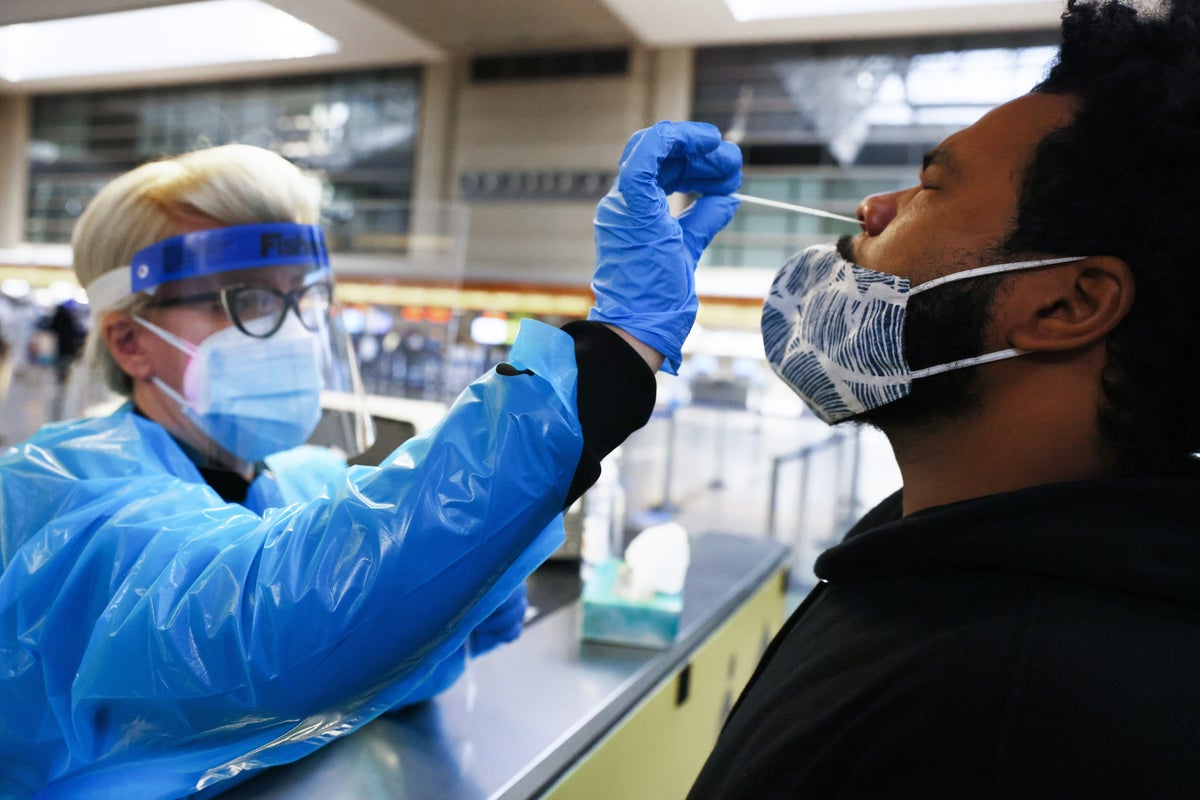
Containing a virus with a mortality rate hovering near 60 percent requires absolute trust between healthcare personnel and affected communities. In eastern Congo, that trust does not exist. Decades of armed violence, displacement, and institutional neglect created an environment where foreign intervention is met with deep skepticism. When aid workers arrive in specialized protective gear, accompanied by armed escorts, local populations frequently view them not as medical caretakers, but as militarized agents of an unstable central government. If you found value in this piece, you should check out: this related article.
The spillover into Uganda marked a critical turn in the outbreak. Border communities along the Great Lakes region do not recognize national boundaries in their daily lives. Trade, family ties, and religious gatherings push thousands of people across informal crossing points every day. Traditional surveillance infrastructure relies on formal checkpoints. That reliance creates massive blind spots.
The Friction Point of Modern Containment Strategies
The deployment of experimental vaccines offered unprecedented hope early in the response effort. The rVSV-ZEBOV vaccine demonstrated remarkable efficacy in ring vaccination trials. Yet, technology alone cannot overcome human mistrust. For another angle on this event, check out the recent coverage from WebMD.
Vaccination campaigns require meticulous contact tracing. You must identify every individual who came into contact with an infected patient, along with the contacts of those contacts. In a zone controlled by dozens of distinct militia groups, contact tracing becomes a lethal endeavor. Mobile populations flee active combat zones, carrying the pathogen into dense urban centers like Goma or across international waterways into Ugandan trading hubs.
+-----------------------------------------------------------------------+
|                       EBOLA RESPONSE BOTTLENECKS                      |
+-----------------------------------------------------------------------+
| 1. ACTIVE CONFLICT ZONE   -> Prevents contact tracers from entering.  |
| 2. POPULATION DISPLACEMENT-> Renders static containment maps useless.  |
| 3. INSTITUTIONAL DISTRUST -> Leads to community resistance and flight.|
| 4. INFORMAL BORDER CROSS  -> Bypasses formal thermal screening points. |
+-----------------------------------------------------------------------+
Traditional public health protocols dictate isolating the sick. But when isolation centers are perceived as places where loved ones go to die alone, families hide symptomatic relatives.
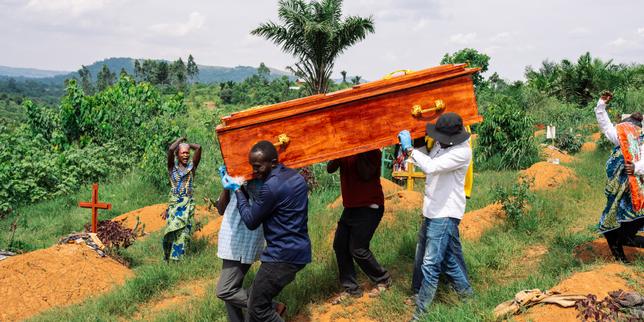
Safe and dignified burials present another flashpoint. Traditional funeral rites in the region involve washing and touching the deceased. Because the viral load in a deceased Ebola patient is extraordinarily high, these rituals act as super-spreader events. When response teams forcibly confiscate bodies to conduct immediate, sanitized interments, they directly disrupt deeply held spiritual traditions. The outcome is predictable. Families bury their dead at night in secret, propagating the transmission cycle further out of sight.
"A vaccine is a tool of biochemistry, but containment is an act of anthropology. If you ignore the social architecture of the region, the most advanced medicine in the world becomes entirely useless."
The Structural Failure of Global Health Logistics
Money is flowing, but logistics are breaking down. Millions of dollars allocated by global donors are absorbed by complex administrative layers before reaching frontline workers on the ground.
Local nurses and community leaders often operate without basic personal protective equipment for weeks, waiting on bureaucratic supply chain approvals. Meanwhile, high-visibility international organizations deploy expensive armored vehicles and establish self-contained compounds. This disparity breeds local resentment. It signals that foreign staff lives are prioritized over the local health workers who absorb the highest operational risk.
The Misleading Comfort of Static Data
Public health dashboards present neat timelines and containment zones. They are dangerously misleading.
Epidemiological models depend on accurate field reporting. When entire health zones are inaccessible due to security threats, the data reflects only what can be safely measured, not what is actually occurring. A sudden dip in reported cases in a rural territory rarely means transmission has stopped. It usually means response teams were forced to retreat due to artillery fire or militia activity.
The Regional Spillover Mechanics
Uganda's health infrastructure is arguably more developed than that of eastern Congo, but its proximity to the epicenter leaves it permanently vulnerable.
- Transit Hubs: Border markets process tens of thousands of traders daily without adequate sanitation infrastructure.
- Refugee Flows: Civilians escaping clashes cross unmonitored rivers, making health screening impossible.
- Nosocomial Spread: Regional clinics lacking basic running water become secondary centers of infection when undiagnosed patients arrive for treatment.
Reframing the Response Framework
The threshold of 1,000 deaths must force a fundamental pivot in strategy. Continuing to pour resources into top-down, security-heavy containment will yield the same disastrous results.
Power must shift away from centralized international hubs toward local leadership structures. Tribal elders, church figures, and local civil society groups hold the key to community trust. They must be empowered to lead contact tracing initiatives and design culturally acceptable burial practices. Medicine cannot be delivered at the point of a gun.
Public health organizations must integrate security analysis directly into medical operations, not as a defensive shield, but as a mechanism to understand community dynamics. Until global health institutions treat the social and political landscape of Central Africa with the same rigor they apply to viral genetics, the virus will continue to find pathways through human vulnerability.