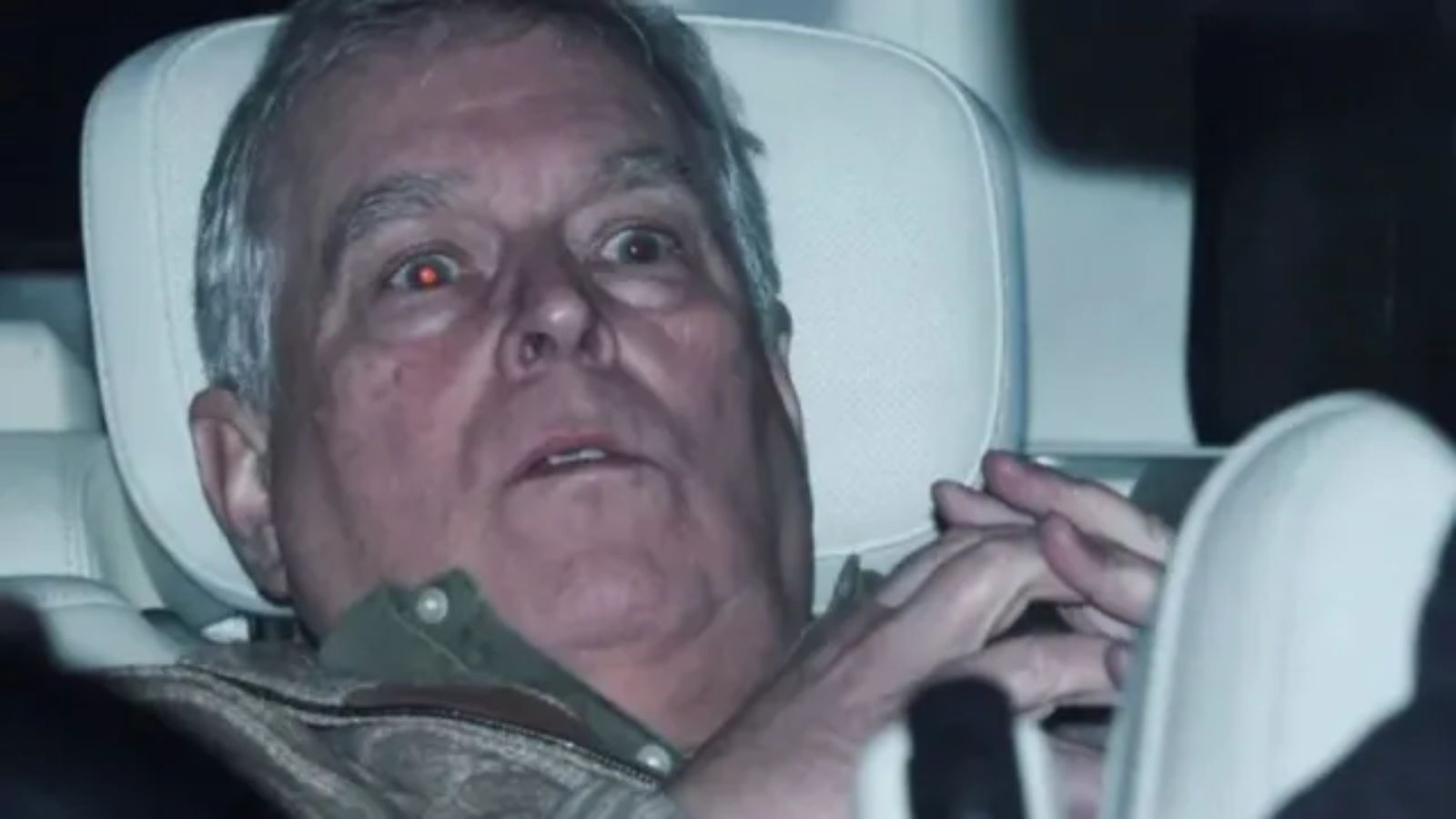
The passing of Robert Kelker-Kelly at the age of 62 marks the quiet exit of one of daytime television’s most polarizing figures. Best known for stepping into the heavyweight role of Bo Brady on Days of Our Lives and later playing the villainous Stavros Cassadine on General Hospital, Kelker-Kelly commanded the screen with a brooding intensity that rarely left viewers neutral. When medical examiners in St. Charles, Missouri, confirmed that the actor died of arteriosclerotic heart disease, it brought a sudden, tragic close to a life that had long since retreated from Hollywood's glaring spotlight. Yet, looking back at his career reveals a story far more intricate than standard obituary retrospectives suggest.
Daytime television in the late 1980s and 1990s operated under a different set of rules. Ratings were measured in millions, fan mail arrived by the truckload, and recast choices could spark outright civil wars among dedicated viewers. When Kelker-Kelly inherited the iconic role of Bo Brady from Peter Reckell in 1992, he faced an impossible mathematical equation. He was tasked with replacing a beloved cornerstone of a fictional universe while injecting fresh blood into a fading storyline. Instead of trying to mimic his predecessor, Kelker-Kelly leaned into an edgier, sharper persona. He played Bo with a restless friction that challenged the traditional soap opera archetype.
That friction was not confined to the scripts. Decades of serialized television history are built on behind-the-scenes friction that rarely makes it to print while shows are actively airing. In the wake of his passing, former co-stars and industry insiders opened up about the complexities of working alongside an actor who treated his craft with uncompromising seriousness. Some recalled a formidable presence who demanded absolute precision on set, while others pointed to the intense pressure cooker environment of daily network production schedules. Soap operas demand emotional exhaustion on a weekly basis, shooting dozens of pages of dialogue a day with minimal rehearsal time. Burnout was inevitable, and coping mechanisms varied widely across dressing rooms.
Kelker-Kelly's trajectory through the genre is a study in professional reinvention. He did not anchor himself to a single network or character out of sentimental obligation. After wrapping his definitive run as Sam Fowler and later Dr. Shane Roberts on Another World, and his high-profile stint on Days of Our Lives, he transitioned seamlessly into the villainous tiers of General Hospital and Port Charles as Stavros Cassadine. Playing a soap opera villain requires a distinct technical skill set. An actor must commit completely to mustache-twirling melodrama while maintaining enough grounded realism to keep the audience hooked through increasingly absurd plot twists involving cryogenic freezing and international syndicates. Kelker-Kelly executed these swings with clinical precision.
By the early 2000s, however, the golden age of daytime ratings was beginning its structural decline, squeezed by changing viewer habits and expanding cable networks. Like several of his peers who watched the economic foundation of daytime drama shift beneath their feet, Kelker-Kelly made a deliberate exit from the medium. He stepped away from Los Angeles soundstages, traded scripted drama for the cockpit, earned a certification in airframe and powerplant mechanics, and built a quiet life as a professional pilot and acting instructor. It was a stark pivot from the high-stress environment of network television to the solitary discipline of aviation.
The details surrounding his final days in St. Peters, Missouri—where authorities responded to an emergency call after he experienced acute chest pains—underscore the unpredictable fragility of health. Arteriosclerotic heart disease often develops silently for decades, masking underlying arterial plaque until a critical blockage occurs. Despite emergency intervention and CPR performed by his wife, Allison, the actor could not be revived.
The public mourning that followed reflected a unique kind of parasocial grief unique to soap opera fans. Viewers invited these actors into their living rooms five days a week for years, establishing a continuous, intimate relationship that transcends standard cinematic viewing. Kelker-Kelly may have spent the latter half of his life far away from the Hollywood machine, but his footprint on the genre remains indelible. He represented an era of unapologetic, high-stakes television performance where actors had to be larger than life just to cut through the noise.
As the credits roll on his remarkable life, the legacy left behind is defined by a rare brand of magnetic screen presence that modern serialized television rarely takes the risk to produce anymore.
Days of Our Lives Actor Robert Kelker-Kelly Dead at 62 | E! News
This archival segment from E! News breaks down Robert Kelker-Kelly's extensive soap opera career and sudden passing at age 62.