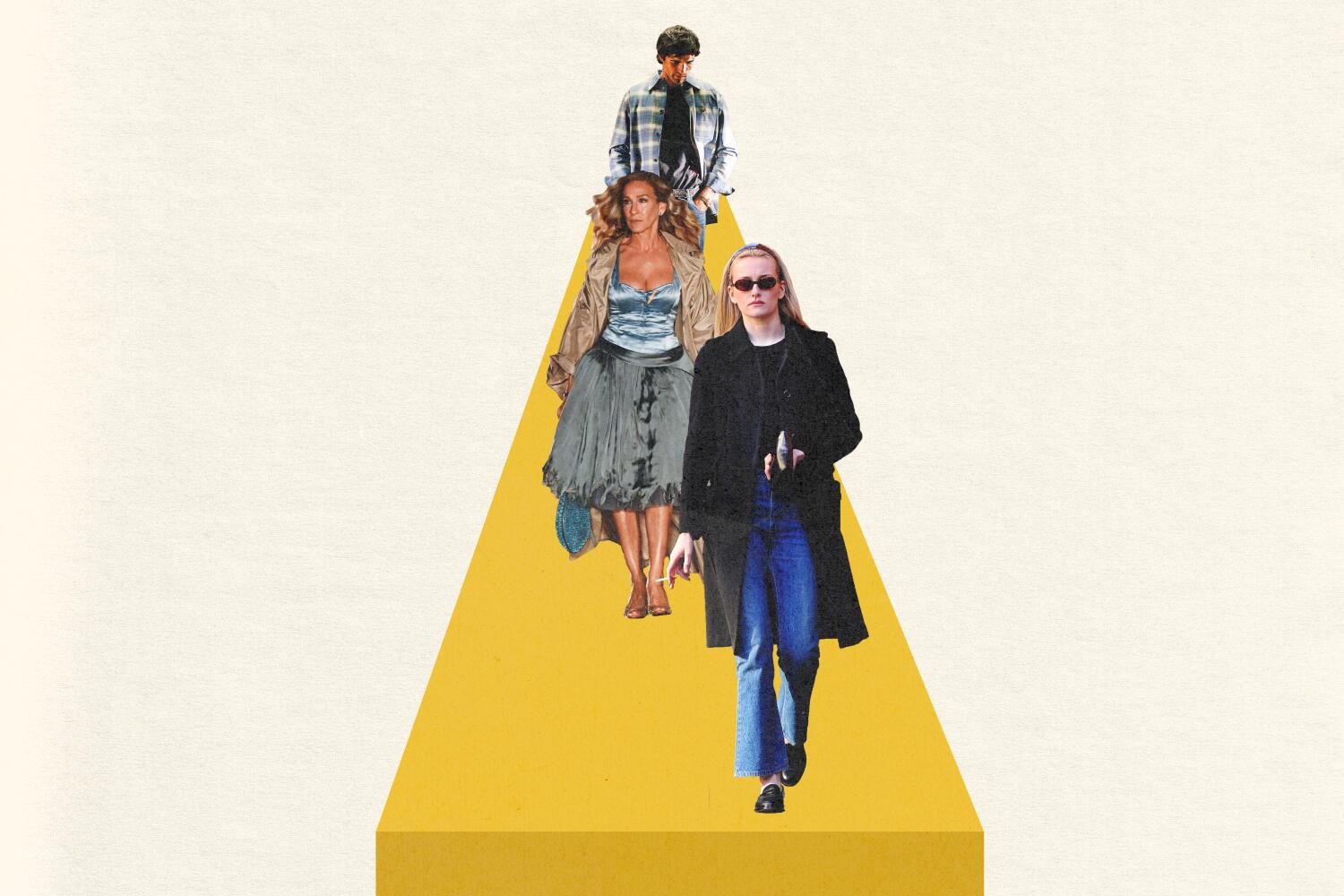
Costume design on screen is no longer about building character. It is about corporate inventory control. When luxury fashion conglomerates dictate what an actor wears on television, narrative logic takes a back seat to quarterly sales spikes.
The mechanism has shifted from subtle artistic collaboration to aggressive brand colonization. Major design houses now bypass traditional costume departments entirely, embedding brand ambassadors into series production before a single script is finalized. This is not artistic expression. It is a calculated billboard operating under the guise of cinematography.
The Economics of the Screen Wardrobe
Decades ago, costume designers sourced or built clothing from scratch to reflect a character's psychological state, socioeconomic background, and historical reality. Today, the balance sheet dictates the wardrobe. Studios battling shrinking margins welcome luxury houses that offer to shoulder production expenses in exchange for exclusive screen placement.
Take a hypothetical streaming drama set in a mid-century working-class environment. Instead of utilizing aged thrift finds or custom-built period pieces that reflect grit, a contemporary production might feature pristine, unblemished archival items supplied by an Italian luxury label. The clothes look wrong for the character, but they match the brand's global marketing mandate.
Audiences notice the dissonance even if they cannot articulate it. When every character across three different socioeconomic tiers wears immaculate, dry-cleaned pieces from the same seasonal runway, the world-building collapses. Authenticity is traded for an aesthetic uniform that can be directly converted into e-commerce checkouts.
How the Brand Ambassador Pipeline Broke Television
The traditional pipeline relied on costume designers working alongside directors to interpret text. The modern pipeline relies on marketing departments negotiating talent contracts.
Consider how popular actors are locked into global fashion house contracts long before they step on a soundstage. These multi-million-dollar agreements contain strict clauses regarding public appearance and on-screen presentation. If an actor is a designated face for a specific French luxury house, their character cannot wear competing brands, regardless of whether the plot demands it.
This creates a rigid limitation on narrative flexibility. A struggling artist character ends up carrying designer handbags that cost more than an annual rent payment. A dystopian survivalist sports footwear from a limited capsule collection that dropped online the same week as the episode.
Costume designers have been demoted from creators to brand handlers. Their primary job is no longer visual storytelling. Their job is ensuring that the hemline hits at the exact angle required to showcase a visible logo or recognizable silhouette for the inevitable social media breakdown video.
The Illusion of Consumer Engagement
The justification from studio executives is always financial. When a series causes a sudden spike in online searches for a specific wool coat or plastic headband, analysts point to it as a triumph of modern synergy.
Yet this narrow metric masks a deeper erosion of cultural impact. Fast-rising search metrics and immediate sell-outs of luxury items do not equate to enduring television. They indicate successful targeted advertising. Shows built around runway availability often age poorly because their visual identity is tied to transient marketing cycles rather than timeless character arcs.
Independent designers and smaller costume houses suffer under this regime. Without corporate backing or global ambassador rosters, they are priced out of major television and film projects. The institutional knowledge of how to construct clothing that tells a story through wear, tear, and historical accuracy is being replaced by the logistics of moving luxury stock.
The screen was once a mirror reflecting complex human behavior. Now, it is a high-definition catalog where the plot merely interrupts the shopping experience.