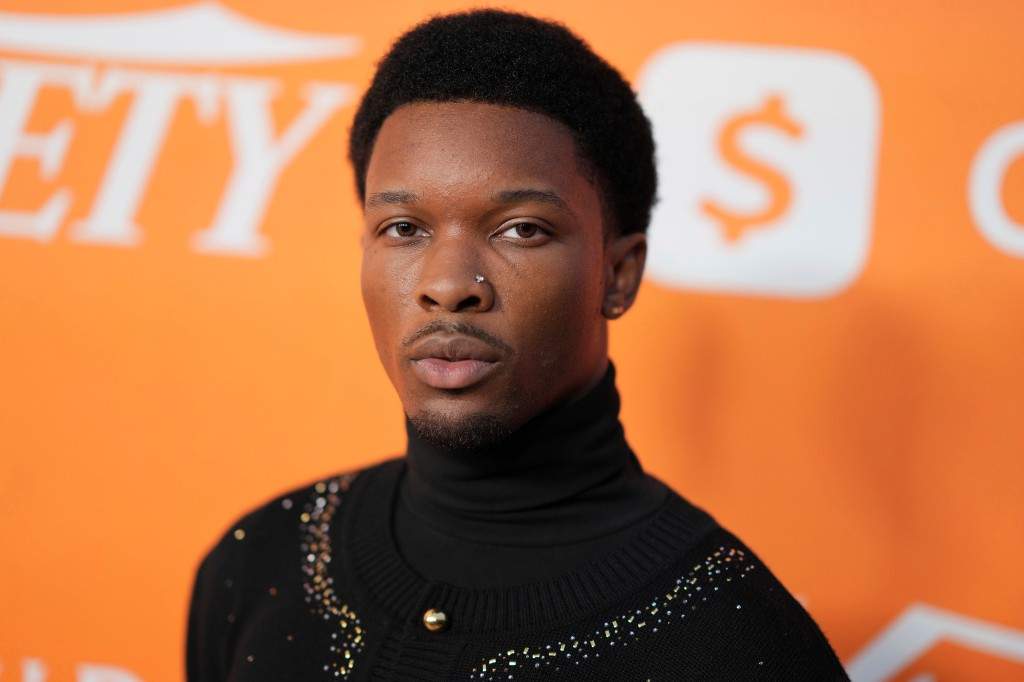
A Los Angeles courtroom does not often bear witness to a tragedy as mechanically grotesque as the one laid bare against indie-pop musician David Anthony Burke, professionally known as D4vd. Following a grueling five-day preliminary hearing, Superior Court Judge Charlaine F. Olmedo ruled that the 21-year-old artist must stand trial for the first-degree murder, continuous sexual abuse, and unlawful mutilation of 14-year-old Celeste Rivas Hernandez. The prosecution's narrative strips away the veneer of modern internet stardom, exposing a dark intersection of digital-era grooming, desperate damage control, and alleged calculated brutality.
For an industry built on rapid-fire streaming metrics and algorithm-driven elevation, the case forces a reckoning. The public is no longer just looking at a fallen star; they are examining the systemic rot that can fester when adolescent vulnerability collides with unchecked celebrity access.
The Anatomy of an Alleged Cover-Up
The core of the prosecution's case rests on a chilling motive. Fame, when it arrives overnight via viral tracks, creates an artificial panic over preservation. According to evidence introduced by Deputy District Attorney Beth Silverman, Burke met Rivas Hernandez when she was eleven years old. By the time she turned thirteen, an illegal sexual relationship had allegedly been established, one that later included an unreported pregnancy and subsequent abortion.
When April 2025 arrived, Burke stood on the precipice of releasing his heavily anticipated debut album. Rivas Hernandez, then fourteen, grew increasingly volatile amid disputes over his shifting attentions. The night before her death, text message logs presented in court reveal a desperate, furious exchange. The teenager threatened to blow up his life, telling him explicitly that she would expose their relationship and end his career.
Minutes after 10 p.m. on April 23, 2025, Rivas Hernandez arrived at Burke's Hollywood Hills home via an Uber he had arranged. Her final text message to him was deceptively casual: "girly pop i'm almost there open ur door if ur home."
She walked through that door and was never seen alive again.
Investigators detailed a horrifying sequence of post-murder actions. Prosecutors allege that Burke stabbed the teenager to death, ordered a shovel, purchased multiple chainsaws under an alias, and procured an inflatable blue pool to contain the horrific aftermath. Months later, her decomposed and dismembered remains were discovered stuffed inside the front trunk of a Tesla registered to the musician after the vehicle was towed and abandoned.
The Legal Landscape and Special Circumstances
Judge Olmedo’s decision to send the case to trial was built on what prosecutors termed a "mountain of evidence," including DNA matches from bloodstains inside the defendant's garage, digital metadata, and chilling purchase histories. While the defense argued that the communications lacked traditional homicidal malice, the legal threshold for a preliminary hearing is merely probable cause—a hurdle the state cleared with room to spare.
More critically, the prosecution secured special circumstance designations: lying in wait, committing a murder for financial gain, and eliminating a witness to an ongoing crime. These specific legal pegs elevate the gravity of the case immensely. Los Angeles District Attorney Nathan Hochman confirmed that his office is actively weighing whether to seek the death penalty. For a young man whose identity was entirely wrapped up in melodic fantasies broadcast to millions of global listeners, the reality of a capital murder trial represents an absolute inversion of trajectory.
The Streaming Era Blind Spot
The music industry operates on a standard of willful blindness. Young creators are routinely isolated in Los Angeles enclaves, surrounded by sycophants, handlers, and digital teams whose primary financial incentive is to ensure the content stream never stops flowing. When warning signs flash, they are routinely minimized as standard youthful indiscretions or managed by crisis PR teams before law enforcement ever gets a look.
The D4vd case exposes how modern parasocial engagement can blur boundaries entirely. Artists discovered on bedroom recording software often lack the emotional infrastructure to handle sudden wealth and cultural saturation. Predators find ready access to impressionable minors through backstage passes, direct messages, and private residential compounds shielded from parental oversight.
When the bubble pops, the violence deployed to protect the brand asset is terrifyingly rationalized by the perpetrator. Burke showed zero visible emotion in court as the grisly autopsy details and graphic text logs were projected onto screens. That eerie detachment mirrors the clinical manner in which investigators allege he moved through the weeks following the killing, driving around the city with human remains locked in the front trunk of his electric vehicle.
As the case heads toward its formal arraignment and subsequent trial, the cultural fallout extends far beyond a single legal proceeding. It forces an uncomfortable examination of how modern entertainment machine culture manufactures idols while ignoring the human wreckage left in their wake


