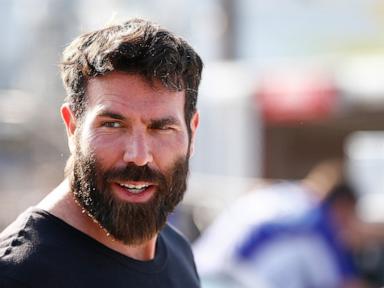
In the sweltering heat of Florida's 6th Congressional District primary, social media influencer and podcaster Dan Bilzerian transformed a standard Republican primary contest into a digital conduit for explicit antisemitism. Running an aggressive campaign targeting incumbent or opposing figures like Representative Randy Fine, Bilzerian utilized an arsenal of artificial intelligence-generated media, conspiracy theories, and repeated vitriol that shocked even seasoned political operatives.
Data compiled by the Antisemitism Research Center of the Combat Antisemitism Movement revealed that roughly one-third of all posts on Bilzerian's official campaign account centered directly on hostility toward Jewish people and Israel. Rather than running a traditional legislative platform focused on taxation, local infrastructure, or border security, the campaign treated the electoral cycle as a megaphone for fringe internet tropes.
Political analysts examining the race point to a deeper structural shift in modern American campaigning. The barrier to entry for fringe influencers has dropped dramatically. Platforms once governed by baseline corporate moderation standards now reward extreme engagement models, allowing figures with millions of legacy followers to monetize political outrage directly.
Bilzerian's entry into the primary against Fine—one of the few Jewish Republican members of the House of Representatives—brought fringe digital rhetoric into real-world electoral politics. Independent researchers tracking the campaign documented a constant stream of posts utilizing classical tropes, Holocaust minimization, and fabricated video content.
The mechanics of this digital strategy rely heavily on algorithmic incentive structures. By posting inflammatory remarks, a candidate ensures high distribution across major social networks. Views translate into digital mindshare, and mindshare translates into brand preservation for influencers whose primary asset is attention.
Electoral pushback was swift, though complicated by the nature of online discourse. Bipartisan condemnation followed major inflammatory posts, with political leaders from across the spectrum urging voters to reject the messaging outright. Yet, the mere existence of the campaign exposed vulnerabilities in how modern political bodies handle bad-faith actors who use institutional ballot access primarily as a publicity stunt for ideological radicalization.
Local voters faced a stark choice during the primary cycle, serving as a bellwether for whether unfiltered internet bigotry could successfully transition from anonymous chat rooms and video streams into formal legislative contention. Observers noted that while the electoral prospects for such fringe platforms remain low in terms of actual vote tallies, the cultural pollution left behind alters the baseline of public discourse.
The campaign ultimately laid bare the friction between democratic accountability and the attention economy. When political candidacy becomes just another content vertical, the guardrails protecting public debate strain under the weight of manufactured outrage.