Security infrastructure in northwestern Pakistan faced a grim reality check when a devastating vehicle bombing and subsequent assault tore through the Kohat Police Lines. At least 21 people lost their lives, including 15 police personnel, while over 80 others sustained injuries. It wasn't just another routine security breach. The coordinated assault exposed major vulnerabilities in heavily fortified law enforcement compounds and reignited intense debates over regional counter-terrorism strategies.
The Anatomy of the Kohat Compound Attack
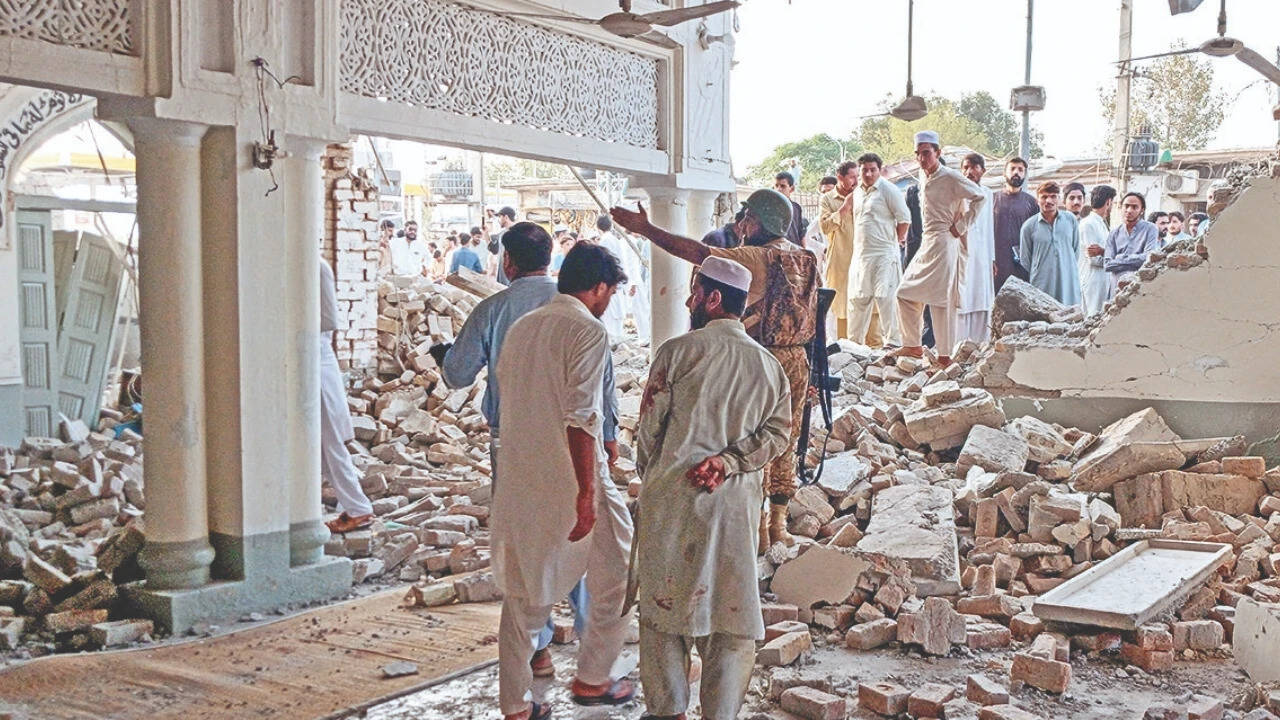
The incident unfolded when an explosives-laden vehicle rammed directly into the perimeter near a mosque situated inside the Kohat Police Lines in the Khyber Pakhtunkhwa province. The timing coincided with routine prayers, drawing a high concentration of officers and personnel into the blast zone.
Following the initial vehicle detonation, armed attackers attempted to storm the facility, triggering a prolonged and intense gunfight with the Counter-Terrorism Department (CTD) and local police units. District health officials confirmed that casualties poured into local hospitals rapidly, stretching emergency medical services to their absolute limits. Senior figures, including traffic police leadership and local medical heads, were among the victims caught in the carnage.
Why Police Infrastructure Keeps Getting Hit
Law enforcement facilities in regions bordering tribal districts have long served as primary targets for militant networks. Critics and security analysts point out recurring operational failures that allow vehicles packed with explosives to breach inner perimeters.
Intelligence reports indicated that militant factions continue to exploit local terrain and logistical blind spots. When security walls fail to withstand vehicular impacts, compounds designed to protect officers transform into enclosed traps. Upgrading physical security barriers, implementing strict standoff distances for vehicular traffic, and modernizing electronic surveillance remain urgent priorities that agencies have struggled to implement uniformly.
The Broader Regional Impact
This tragedy didn't occur in a vacuum. It arrived amid a sharp uptick in militant violence across Khyber Pakhtunkhwa and Balochistan, putting mounting pressure on federal authorities. Diplomatic channels involving regional stakeholders, including discussions facilitated by international partners like Turkey and Qatar, have continuously attempted to address cross-border tensions and militant safe havens.
Yet, public frustration remains high. Families of fallen officers and local citizens demand concrete preventative measures rather than standard statements of condemnation. As clearance operations concluded and security forces neutralized remaining attackers, the central question remained whether state institutions can fundamentally adapt their defensive posture before the next tragedy strikes.