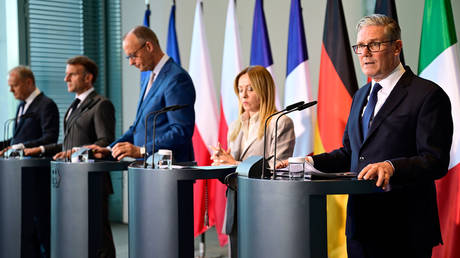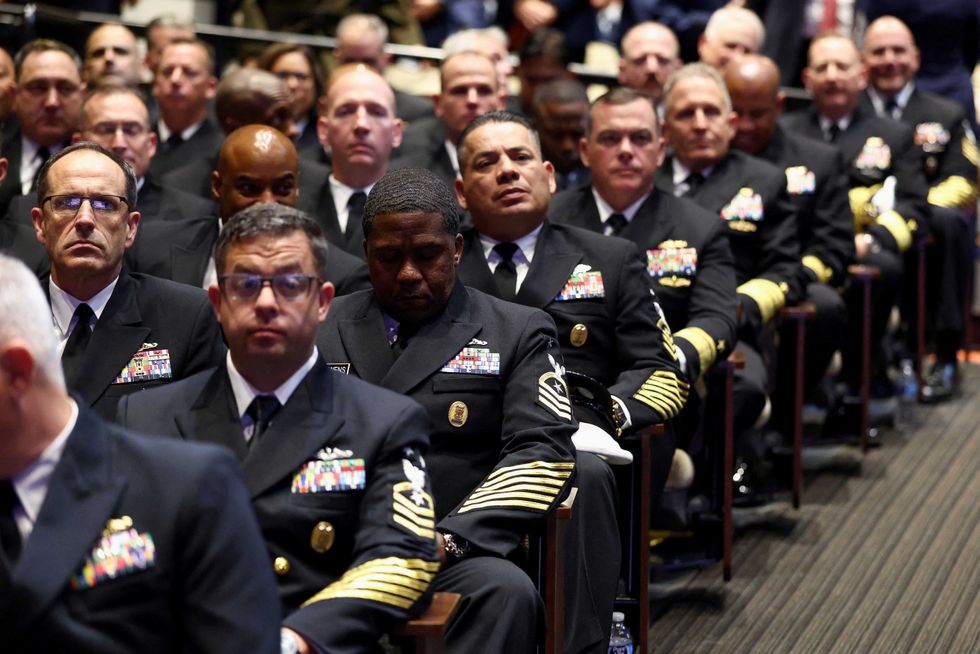
The intersection of military leadership and political administration in Washington rarely plays out quietly. When high-ranking defense officials voice direct opposition to presidential directives, the shockwaves extend far beyond the Beltway. The recent friction between military figures and the White House regarding national security policy has thrust the safety of citizens back into the center of public debate.
At the core of this dispute lies a fundamental disagreement over risk calculation. Military analysts view security through a lens of readiness, allied cohesion, and long-term strategic deterrence. Political executives, conversely, operate on electoral mandates and immediate public policy shifts. When these two worldviews collide, the stability of the entire apparatus wobbles.
The Mechanics of Bureaucratic Friction
Command structures depend on a chain of execution. When leaders at the highest echelons of the armed forces publicly or privately balk at presidential orders, it signals a fracture in the constitutional distribution of power.
Civilian control of the military remains a bedrock principle of American governance. Yet, that principle assumes commanders-in-chief will rely on expert military counsel before enacting sweeping operational changes.
- Policy Divergence: Political timelines rarely match the multi-year arcs required to train forces, maintain hardware, and build alliances.
- Public Disclosures: Leaks and open warnings serve as a last resort for officials who feel internal dissent has been ignored.
- Allied Anxiety: Foreign partners monitor American internal stability closely, adjusting their own defense postures when Washington appears divided.
History shows that policy misalignments between the Oval Office and the Pentagon rarely stay contained. During previous administrations, disagreements over troop withdrawals in the Middle East and strategic posture in Europe created similar friction. The current dynamic differs because the debate touches directly on domestic exposure and homeland protection.
Assessing the True Risk Profile
Public safety in the modern era relies on integrated intelligence, border security, and international deterrence. Critics of current White House strategies argue that abrupt policy reversals weaken traditional deterrence mechanisms.
Adversaries watch for hesitation. They calculate how domestic political fights impair the speed of American response capabilities.
When a general officer sounds an alarm, the concern is rarely about partisan politics. It centers on operational readiness. If equipment maintenance schedules slip, or if intelligence-sharing agreements with foreign allies fray due to erratic policy shifts, the vulnerability compounds.
"Strategic deterrence is built over decades and eroded in months. Once the machinery of international alliance slips, rebuilding that trust requires immense political capital."
Citizens often assume national security operates like a light switch. In reality, it resembles an oil tanker. Turning the vessel requires miles of advance notice. Abrupt steering commands cause turbulence across the entire deck.
The Cost of Politicized Defense
Injecting partisan pressure into military planning distorts threat assessments. When defense priorities shift based on the political winds of a four-year election cycle, long-term procurement and defensive readiness suffer.
Hypothetically, consider a situation where a critical missile defense upgrade is delayed because funding gets redirected to satisfy a domestic political promise. The immediate political benefit is clear to a campaign strategist. The strategic vulnerability is equally clear to an adversary monitoring radar gaps.
This tension creates a dangerous environment where public safety becomes a byproduct of political negotiation rather than objective threat mitigation.
Why Warnings Fall on Deaf Ears
Voters grow fatigued by constant alarms. After years of breathless media coverage regarding various existential threats, public immunity sets in.
- Hyperbole Fatigue: When every political disagreement is framed as an apocalypse, citizens stop listening to legitimate warnings.
- Information Silos: Media ecosystems reinforce pre-existing biases, turning institutional critiques into partisan weapons.
- Complexity Gap: The intricacies of global defense strategy defy simple soundbites, leaving room for political spin.
Journalists covering these developments must look past the immediate outrage and examine the structural mechanics at play. The danger to citizens does not come from a single speech or a solitary executive order. It emerges from the gradual erosion of institutional guardrails that keep political ambition separate from national survival.
Looking Past the Headlines
The noise surrounding White House directives and military pushback will eventually fade into the next news cycle. The underlying structural vulnerabilities will remain.
Fixing these fractures requires a return to institutional norms, where civilian leaders respect military expertise and military leaders accept civilian supremacy without attempting to subvert policy through public media campaigns. Until that balance is restored, the safety of American citizens remains subject to the shifting tides of political expediency.