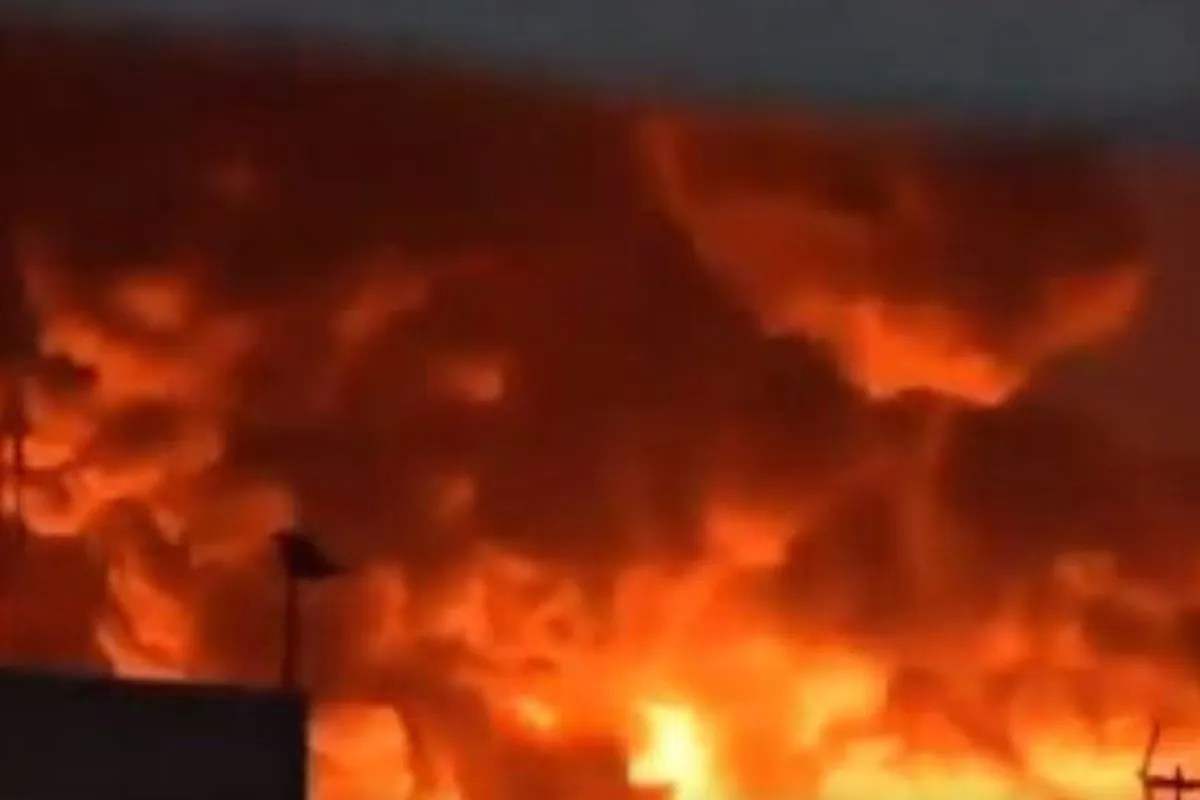
France has ordered the evacuation of thousands more residents as catastrophic blazes force a third of a million people from their homes across southwest Europe. The crisis has exposed deep structural vulnerabilities in how Mediterranean nations manage extreme weather events. Decades of land abandonment, rising global temperatures, and outdated emergency response frameworks have collided with terrifying speed.
Southern Europe is burning faster than governments can adapt. When flames consume hundreds of thousands of hectares across France, Spain, and Portugal within a matter of weeks, the disaster ceases to be an isolated weather anomaly. It represents a systemic failure of policy and preparedness.
The Anatomy of the Southwest European Firestorm
Meteorological conditions set the stage long before the first spark ignited. Prolonged droughts compounded by exceptionally low soil moisture turned entire regions into tinderboxes. Yet, focusing solely on the weather misses the human element driving these catastrophes.
Rural depopulation plays a massive role in fueling these fires. For generations, traditional agriculture, grazing, and local forestry management kept underbrush and combustible biomass in check. As younger populations migrated toward urban centers, vast tracts of rural land were left unmanaged. Thick, highly flammable scrubland replaced cultivated fields. When a spark catches in this dense undergrowth, the fire spreads with explosive intensity, overwhelming traditional firefighting methods long before air support can arrive.
Governments have historically relied on a reactive model. Billions of euros are funneled into firefighting aircraft, chemical retardants, and emergency personnel deployment. While these assets remain vital during active crises, they treat symptoms rather than the root cause. Critics argue that prevention budgets pale in comparison to suppression expenditures. Clearing brush, creating strategic firebreaks, and reinstating controlled burns require labor, political will, and long-term funding. These measures rarely win elections in the immediate term, leading to chronic underinvestment.
Infrastructure Strain and Evacuation Logistical Nightmares
Moving hundreds of thousands of people away from advancing fire fronts requires monumental logistical precision. In southwest Europe, narrow rural roads, aging communication networks, and sudden wind shifts frequently turn evacuations into chaotic bottlenecks.
Local authorities often find themselves issuing evacuation orders with mere minutes to spare. Tourists unfamiliar with rural geography crowd secondary routes, exacerbating gridlock. Municipalities lack the spatial capacity to temporarily house populations the size of small cities. Community centers fill up instantly, leaving thousands sleeping in vehicles or makeshift outdoor camps under smoke-choked skies.
The economic fallout hits communities immediately. Tourism, a vital economic engine for rural France, Spain, and Portugal during the peak summer months, suffers catastrophic losses. Historic villages, vineyards, and local businesses face physical destruction alongside immediate revenue collapse. Insurance markets are beginning to reevaluate coverage viability in high-risk zones, pointing toward a future where property insurance in parts of southern Europe becomes prohibitively expensive or entirely unavailable.
The Policy Deadlock Behind Emergency Response
European Union coordination mechanisms have improved through shared aerial fleets and emergency response reserves, but national sovereignty still dictates individual country strategies. Bureaucratic friction between local municipalities, regional governments, and federal agencies often delays critical resource deployment.
Fire does not respect administrative boundaries. When a blaze leaps across national borders or regional jurisdictions, jurisdictional disputes can stall tactical decisions. Standardization in equipment, communication channels, and cross-border deployment protocols remains inconsistent.
Experts emphasize the urgent need to shift toward fire-resilient landscapes. This means redefining forestry policies to prioritize biodiversity and mixed-tree planting over monoculture pine and eucalyptus forests, which burn with extreme volatility. It also involves empowering local communities with the resources and autonomy to manage their surrounding ecosystems year-round.
The Cost of Inaction
The visual of water-dropping aircraft battling massive orange plumes against a hazy sky has become the defining image of European summers. Behind the dramatic footage lies a grinding reality of exhausted crews, terrified residents, and permanent ecological degradation.
If governments continue to treat these events as temporary anomalies rather than the new baseline, the social and economic toll will escalate exponentially. A third of a million displaced citizens represents a staggering humanitarian burden. Without a fundamental overhaul of land use, prevention funding, and regional cooperation, the next dry season will dwarf the current crisis.