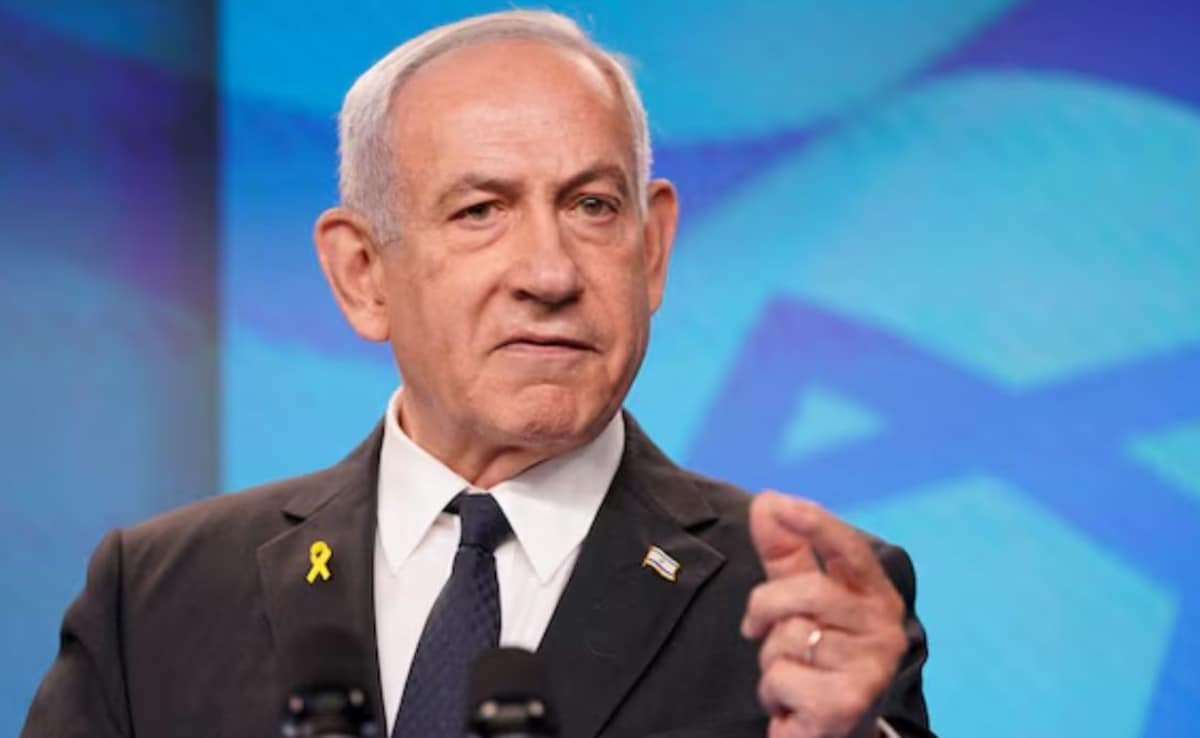
Israeli Prime Minister Benjamin Netanyahu issued a sharp public rebuke to National Security Minister Itamar Ben-Gvir on Wednesday after the far-right minister posted videos online showing the degrading treatment of detained international aid activists. The collision between Israel’s chief executive and his domestic security chief exposes a dangerous fracture inside Jerusalem's governing coalition. While the Prime Minister sought to contain an explosive diplomatic crisis involving Western allies, Ben-Gvir used the captured vessels as a theatrical stage for his domestic base. This confrontation is not a simple disagreement over optics. It is a fundamental battle over who dictates the strategic posture of the Israeli state on the global stage.
The clash erupted following the Israeli navy’s interception of the Sumud Global Flotilla, a convoy of ships carrying pro-Palestinian activists that departed from Turkey with the intention of breaching the maritime blockade of the Gaza Strip. Israeli forces boarded the vessels approximately 268 kilometers off the coastline, detaining roughly 430 activists from various countries, including the United States, Canada, South Africa, and several European nations. If you found value in this post, you might want to read: this related article.
While the military operation itself followed standard interception protocols, the subsequent arrival of the detainees at the port of Ashdod quickly dissolved into a political spectacle. Ben-Gvir arrived at the port with a security detail and digital recording equipment. He later uploaded footage to his personal social media accounts that ignited an immediate international backlash.
In the videos, bound activists are seen kneeling with their faces touching the deck of a ship and the floor of a makeshift holding facility. Waving a large Israeli flag, Ben-Gvir walks among the captives, declaring, "Welcome to Israel, we are the landlords." For another angle on this story, refer to the latest coverage from USA Today.
The footage captures a handcuffed detainee shouting "Free Palestine" before being abruptly shoved to the ground by security personnel. In a separate clip, Ben-Gvir mocks the activists, stating they arrived "all full of pride like big heroes," before turning to the camera to demand that Netanyahu transfer the foreign nationals into his custody to be held in high-security terrorist prisons for a "long, long time."
The Diplomatic Fallout
The reaction from foreign capitals was swift and remarkably severe. It fundamentally complicated Israel’s ongoing efforts to maintain Western diplomatic support. Western governments did not accept the justification that the treatment was a necessary security measure for a blockade interception.
- The United Kingdom: Foreign Secretary Yvette Cooper stated that the footage violated the most basic standards of respect and dignity, demanding an immediate formal explanation from Israeli authorities.
- Italy: The government summoned the Israeli ambassador in Rome to lodge a fierce protest regarding the treatment of Italian citizens on board, describing the video as completely unacceptable.
- Canada: Foreign Affairs Minister Anita Anand instructed department officials to formally summon Israel’s ambassador to Ottawa.
- Turkey and Greece: Both Mediterranean nations issued blistering statements, with Ankara accusing the Israeli ministry of demonstrating a violent mindset and Athens filing an official diplomatic protest.
Recognizing the rapid deterioration of Israel's international standing, Netanyahu issued a late-Wednesday statement designed to sever the state's official position from Ben-Gvir’s actions. The Prime Minister explicitly affirmed Israel’s legal right to block what he termed "provocative flotillas of Hamas terrorist supporters." However, he added a rare, direct reprimand of his cabinet minister, stating that the way Minister Ben-Gvir dealt with the flotilla activists was not in line with Israel's values and norms. Netanyahu simultaneously ordered that all detained foreign activists be processed for immediate deportation rather than long-term imprisonment.
The War Inside the Cabinet
This public scolding triggered an immediate civil war within the Israeli political establishment, revealing that the coalition’s internal friction has reached a boiling point. Foreign Minister Gideon Saar launched a direct attack on Ben-Gvir via social media, accusing the national security minister of knowingly causing immense harm to the state for the sake of a disgraceful performance. "No, you are not the face of Israel," Saar wrote.
Ben-Gvir chose not to back down. Taking to the floor of the Israeli parliament, he aggressively defended his actions and turned the accusation back on the foreign policy establishment. He accused Saar of bowing to terrorists, arguing that any official apology or softened stance toward the activists would broadcast an unacceptable message of weakness, submission, and surrender to Israel’s adversaries. He doubled down on his rhetoric, insisting that anyone entering Israeli territory to support terrorism should expect a harsh physical response.
This legislative theater highlights a deep systemic vulnerability within the current Israeli government. Netanyahu is trapped in a structural paradox. He relies entirely on the legislative votes of far-right figures like Ben-Gvir to maintain his parliamentary majority and preserve his premiership. Yet, the unchecked behavior of those exact figures systematically dismantles the diplomatic shielding Netanyahu needs to protect Israel from international isolation and legal sanctions.
The Strategy of Provocation
To understand why Ben-Gvir published the footage, one must look beyond the immediate shock value. This was an entirely calculated political maneuver. For an ultra-nationalist politician whose career is built on defying the international community, global condemnation is not a risk to be managed. It is an asset to be leveraged.
By presenting himself as the uncompromising "landlord" who humbles foreign activists, Ben-Gvir directly signals to his domestic base that he is the only figure in the cabinet willing to reject Western diplomatic niceties. He successfully forced Netanyahu into a position where the Prime Minister had to choose between defending international law or alienating the populist right. Every time Netanyahu is forced to publicly rebuke Ben-Gvir, it reinforces Ben-Gvir’s narrative among his supporters that the current political establishment is too fragile to protect the country's sovereign interests.
This dynamic creates an unmanageable dual-track foreign policy for Israel. While professional diplomats and the Prime Minister’s office spend considerable capital attempting to reassure allies of Israel's adherence to humanitarian norms, a senior cabinet minister with direct authority over the national police force is actively broadcasting video evidence that subverts those exact claims.
The Sumud Global Flotilla incident demonstrates that the internal threat to Israel's strategic alignment with the West no longer comes from peripheral political actors. It is operating directly from within the security cabinet. Netanyahu's immediate policy of rapid deportation may clear the Ashdod port of foreign nationals, but it does nothing to resolve the structural reality that his own ministers are running an independent, rogue public relations campaign designed to provoke the international community.
The long-term consequence of this internal divide is the steady erosion of the strategic ambiguity and moral authority that Jerusalem has historically relied upon during maritime and territorial disputes. When a state's official national security apparatus behaves as an ideological content creator, the traditional mechanisms of statecraft begin to fail. Netanyahu's rebuke was a necessary exercise in international damage control, but it ultimately revealed a premier who can command the deportation of activists, yet lacks the political leverage to discipline the ministers sitting at his own table.