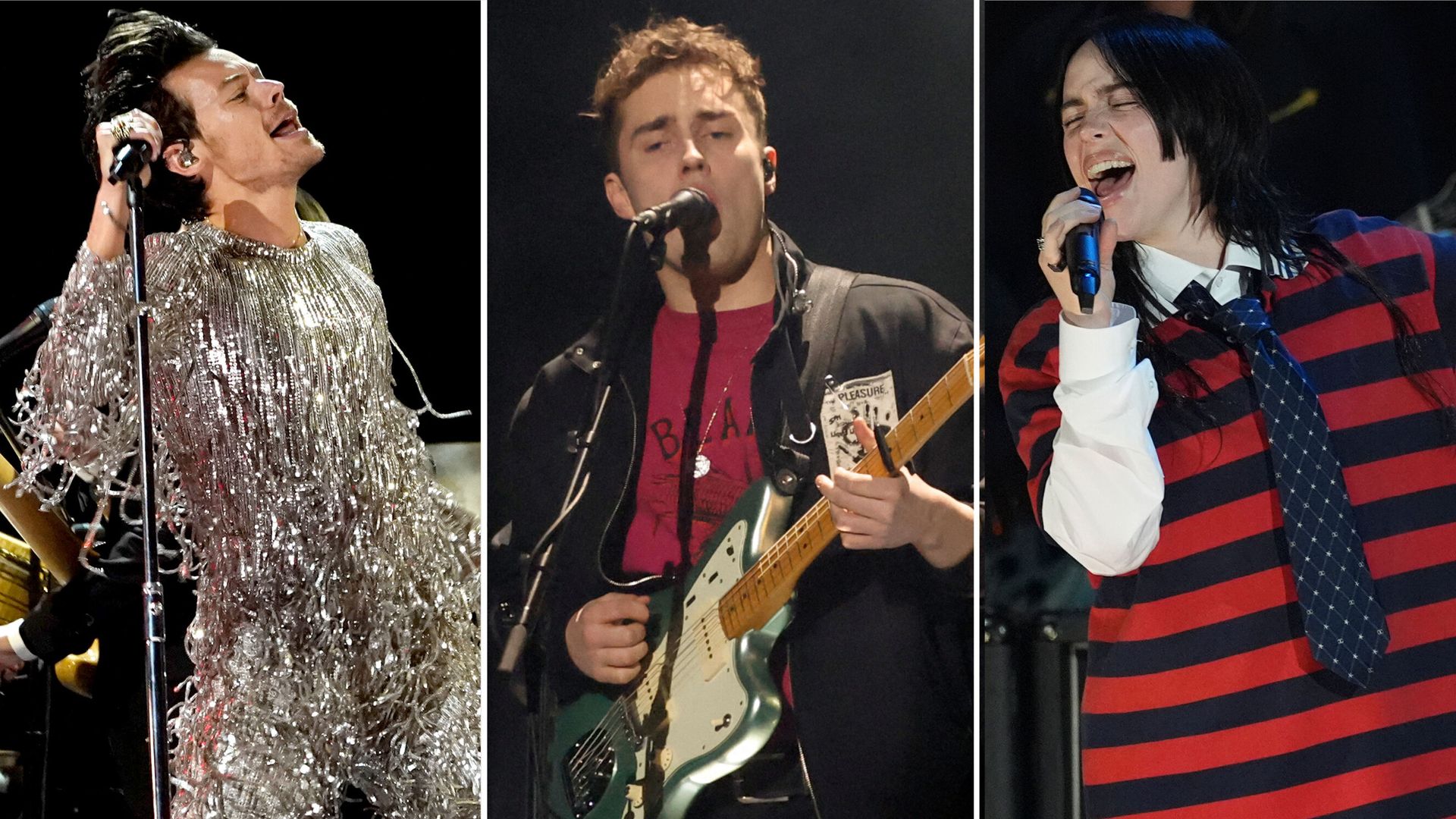
No artists have been officially confirmed for Glastonbury 2027 yet. The festival has not announced its headliners, its poster, or even its general ticket sale dates, as organizers typically withhold the first wave of lineup confirmations until the spring of the festival year. However, because 2026 marks a scheduled fallow year for Worthy Farm, industry booking agents are currently locked in a fierce two-year cycle of routing negotiations to secure the Pyramid Stage slots for June 2027.
Most music outlets treat lineup speculation like a parlor game. They throw darts at a board of whoever just released an album, slap a clickbait headline on the resulting list, and wait for the ad impressions to roll in. After three decades covering the live music business, I can tell you that is not how Worthy Farm works. Booking Glastonbury is not about who is trending on streaming platforms this week. It is a high-stakes logistical puzzle involving global stadium routing, exclusive radius clauses, and a uniquely skewed financial model that would bankrupt almost any other promoter on earth.
The Economics of Taking a Pay Cut for History
To understand who will play Glastonbury 2027, you first have to understand why any megastar agrees to play it at all. They certainly do not do it for the check.
In the modern touring economy, a legacy rock band or a global pop titan can easily command between $3 million and $5 million for a single headline appearance at a major European commercial festival or a standalone stadium date. Glastonbury pays a fraction of that. Historically, organizers Emily and Michael Eavis have been remarkably candid about the fact that their headline fees sit closer to the $300,000 to $500,000 range, though inflation and production demands have nudged those figures slightly upward in recent cycles.
Why does an artist accept a 90 percent pay cut? Television.
The BBC broadcast is the real currency of Worthy Farm. A Friday or Saturday night headline set on the Pyramid Stage is broadcast live, commercial-free, to millions of households across the United Kingdom, with clips dominating global social media feeds by Sunday morning. For an artist with a greatest-hits catalog or a new album cycle launching in mid-2027, that two-hour infomercial triggers immediate, massive spikes in back-catalog streaming and global tour ticket sales.
When you look at the Glastonbury 2027 lineup rumors, filter out the acts that do not need a career reset or a massive promotional push. Artists in the middle of a sold-out, ultra-lucrative stadium run rarely interrupt their routing to haul forty trucks of production gear down narrow Somerset country lanes for ten cents on the dollar. The headliners who sign on are almost always those using the farm as a launchpad for a broader commercial campaign.
How the 2026 Fallow Year Warps the Market
Glastonbury takes a fallow year roughly every five years to allow the dairy farmland in Pilton, Somerset, to recover from the environmental toll of hosting over 200,000 people. Because the gates stayed shut in 2026, the 2027 edition carries an unusual amount of pent-up commercial pressure.
Normally, booking agents work on a rolling twelve-to-eighteen-month calendar. A fallow year stretches that timeline to twenty-four months. By late 2026, the top tier of the Pyramid Stage is usually already penciled in, if not quietly signed. The absence of a 2026 festival meant that artists who originally planned to tour Europe in the summer of 2026 had two choices: play rival UK festivals like Reading and Leeds, BST Hyde Park, or Isle of Wight, or hold off their major UK festival return until June 2027.
This creates a massive traffic jam of available talent.
The Radius Clause Bottleneck
Live music contracts live and die by radius clauses—legal stipulations that forbid an artist from playing within a certain geographical distance of a festival for a set period before and after the event. Because Glastonbury sells out months before a single band is announced, Emily Eavis does not need to enforce the same draconian exclusivity clauses that AEG or Live Nation require to move tickets.
Yet, rival promoters do enforce them. If a major American pop star signs a contract to headline BST Hyde Park in July 2027, AEG will almost certainly block them from playing Glastonbury two weeks earlier. Conversely, if Glastonbury locks in a headliner early, that artist often announces a massive UK stadium tour for the following summer—2028—rather than competing with their own festival appearance. Watching who isn't announcing UK summer dates for 2027 is often the most accurate way to spot a secret Glastonbury headliner.
Deconstructing the Three-Headliner Formula
Over the last fifteen years, Glastonbury has settled into a remarkably consistent blueprint for its three Pyramid Stage closers. Organizers rarely book three acts from the same genre or demographic. Instead, they balance the weekend across distinct pillars to satisfy a multi-generational audience and keep the BBC's television executives happy.
- The Heritage Titan: Typically occupying the Saturday or Sunday night slot, this is an act with at least two decades of universal, sing-along anthems. Think Paul McCartney, Elton John, or The Cure.
- The Contemporary Pop Juggernaut: Usually positioned on Friday or Saturday to capture the younger demographic and drive peak social media engagement. Think Dua Lipa, Billie Eilish, or Olivia Rodrigo.
- The British Cultural Institution: A homegrown band or solo artist with deep roots in the UK festival circuit, often returning after climbing the ranks from smaller stages. Think Coldplay, Arctic Monkeys, or Stormzy.
When evaluating any rumor for Glastonbury 2027, check where the artist fits in this triangulation. If two rumored headliners occupy the exact same lane—say, two legacy British indie bands from the 1990s—one of them is either a decoy or is being positioned for the Other Stage, which operates as the festival's secondary main stage and frequently hosts acts capable of headlining smaller festivals outright.
The Routing Realities Nobody Checks
Fan forums love to dream up impossible lineups. They forget that bands travel on diesel, sea freight, and strict union schedules.
Glastonbury always takes place during the final full weekend of June. That timing puts it squarely in the middle of the European summer festival circuit, alongside heavyweights like Rock Werchter in Belgium, Roskilde in Denmark, and Mad Cool in Spain.
An American arena act cannot simply fly into Bristol Airport with a carry-on bag, play the Pyramid Stage, and fly home the next morning. The freight costs alone would wipe out their appearance fee. For a North American or Australian artist to make Glastonbury 2027 financially viable, they must already have their stage production in Europe.
Look at the European tour calendars for May and July 2027 as they begin to trickle out. If a major artist has a suspiciously empty four-day gap in the last week of June between dates in Paris and Amsterdam, they are almost certainly heading to Somerset. If they are scheduled to play stadiums in California or Japan during that exact window, you can cross them off your list immediately, regardless of what the British tabloids claim.
The Sunday Legend Slot Trap
Perhaps the most misunderstood spot on the entire festival poster is the Sunday afternoon Legend Slot. Occupying the late-afternoon window on the Pyramid Stage, this set routinely draws larger live crowds and higher television ratings than the actual Sunday night headliner.
Over the past decade, this slot has evolved from a nostalgic novelty into a prestigious cultural coronation, elevating artists like Dolly Parton, Lionel Richie, Kylie Minogue, and Shania Twain.
However, the pool of eligible artists is shrinking rapidly. To command the Legend Slot, an artist needs three specific traits: a catalog of universally recognized hits that transcend age brackets, an upbeat stage presence suited for a sunny afternoon (or a muddy one), and the willingness to embrace the camp, celebratory nature of the crowd. Moody, experimental, or overly serious legacy acts die on the vine at 4:00 PM on a Sunday when 100,000 exhausted festivalgoers just want to drink cider and sing along.
Industry insiders have long pointed out that this specific booking is often the hardest one for the Eavis family to lock down. Many heritage acts still view an afternoon slot as a demotion from headline status, failing to realize that closing out Sunday night often means playing to a thinning crowd already packing up their tents to beat the Monday morning traffic on the A303.
Why Tabloid Rumors Are Usually Planted
Every autumn preceding a festival, British newspapers run splashy exclusives claiming that a certain superstar is "in advanced talks" or "set to sign" for Glastonbury. Nine times out of ten, these stories do not come from the festival's press office.
Glastonbury does not need to leak names to generate publicity. Tickets for the festival sell out in under an hour every single cycle, long before a single artist is confirmed. Leaking lineup news early brings zero financial benefit to the organizers and only creates headaches with artist management teams.
Instead, these rumors are almost always planted by two groups:
- PR agencies representing mid-tier artists: Floating a client's name alongside legitimate headliners artificially inflates their perceived market value ahead of their own summer tour announcements.
- Bookmakers: UK betting shops regularly seed speculative odds to the press to drive novelty wagers on entertainment markets, adjusting the lines based on public money rather than actual insider knowledge.
Treat any report citing "a source close to the festival" with extreme skepticism unless it is corroborated by reputable music trade publications or accompanied by obvious touring gaps.
What to Watch Before the Official Poster Drops
If you want to accurately predict the Glastonbury 2027 bill before the official poster arrives in the spring of 2027, stop reading gossip columns and start tracking corporate supply chains.
First, watch the BBC radio playlists during the first quarter of 2027. Because the broadcaster invests heavily in its Worthy Farm coverage, artists receiving heavy rotation across BBC Radio 1, Radio 2, and 6 Music in early spring are frequently being primed for major festival appearances.
Second, pay close attention to artists releasing Greatest Hits compilations or deluxe anniversary reissues scheduled for May or June 2027. Record labels time these releases specifically to capitalize on the massive retail and streaming bump generated by a Pyramid Stage broadcast.
Third, monitor the smaller, independent warm-up venues across the UK—places like the O2 Academy in Bristol, the 100 Club in London, or the Engine Rooms in Southampton. Major headliners almost always book secret, under-the-radar club shows in the two weeks leading up to Glastonbury to shake off tour rust and test their festival setlists before stepping in front of the television cameras. When an arena-level band suddenly announces a 500-capacity gig in southern England for mid-June 2027, you have found your headliner.


