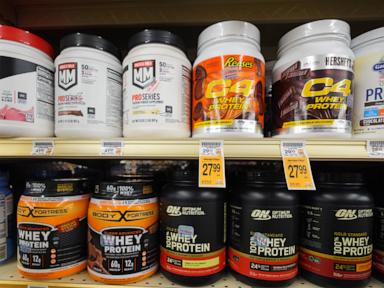
The modern fitness craze has created an insatiable demand for high-protein products, but a quiet supply-side failure is about to derail the entire functional food market. For years, consumer packaged goods companies have slapped "high-protein" labels on everything from chips to cookies, relying almost entirely on a single, fragile ingredient byproduct: whey. But the global dairy infrastructure cannot scale fast enough to meet this synthetic demand. The world is running out of high-quality whey protein, and the food industry’s reliance on this specific ingredient has exposed a massive structural flaw in global agriculture.
To understand why your protein powder is getting more expensive, you have to look at the mechanics of cheese production. Whey is not a primary crop; it is a byproduct.
The Cheese Math Problem
For every ten pounds of milk used in traditional cheesemaking, processors end up with roughly one pound of cheese and nine pounds of liquid whey. For decades, this liquid was treated as industrial waste, dumped into fields or fed to livestock. The rise of industrial filtration techniques turned this waste stream into liquid gold, concentrating the proteins into whey protein concentrate (WPC) and whey protein isolate (WPI).
The fundamental problem is that you cannot simply grow more whey. To get more whey, the global dairy industry must produce and sell more cheese.
But cheese consumption is growing at a modest, predictable pace of about one to two percent annually. Meanwhile, the demand for high-protein lifestyle products is surging at double-digit rates. This disconnect has created a severe structural deficit. Food brands want the protein, but the market does not want the corresponding mountain of cheese required to produce it.
The Refinement Bottleneck
Even if milk production increases, processing capacity remains tightly capped. Building a modern dairy processing plant equipped with the ultrafiltration technology required to manufacture isolate is an immense capital investment. These facilities take years to build, permit, and commission.
Furthermore, the quality of available whey is dropping. Massive commercial cheese plants use intensive automated processes that can alter the flavor profile and functionality of the resulting whey. Brands formulating premium, clear protein drinks require highly specific, heat-stable whey isolates that do not cloud or turn bitter. Only a handful of facilities globally can manufacture this specific grade of ingredient, leading to bidding wars behind closed doors among major supplement conglomerates.
The Failure of Plant Alternatives
When whey prices spike, corporate procurement teams invariably point toward plant-based alternatives like pea, soy, or hemp protein as the solution. This strategy is failing in the marketplace.
Plant proteins suffer from inherent sensory and nutritional deficiencies that the industry has spent billions trying to mask. From a nutritional standpoint, plant proteins generally have lower bioavailability and lacks the optimal amino acid profile found in dairy. Specifically, plant sources are often deficient in leucine, the critical branched-chain amino acid that triggers muscle protein synthesis.
[Image comparing the amino acid profiles of whey protein and pea protein]
To achieve the same muscle-building stimulus as 25 grams of whey isolate, a consumer often needs to ingest significantly more plant protein, which introduces a secondary issue: volume and texture. Plant proteins do not dissolve; they suspend. This creates a gritty, chalky mouthfeel that consumers reject. Masking the bitter, earthy notes of pea or hemp requires heavy doses of sodium, artificial sweeteners, and masking agents, which undermines the "clean label" image that health-conscious consumers demand.
The Precision Fermentation Mirage
With traditional agriculture squeezed and plant proteins sputtering, venture capital has poured billions into precision fermentation. The promise is alluring: program microbes, like yeast or fungi, to express identical dairy proteins in giant stainless-steel bioreactors without a single cow.
This technology works perfectly in a laboratory setting. It fails completely on an industrial scale.
The current biomanufacturing infrastructure is completely inadequate for commodity-scale food production. Most existing fermentation capacity is optimized for high-value, low-volume pharmaceutical products like insulin. To replace even a fraction of the global whey supply, the food tech sector requires millions of liters of bioreactor capacity that simply does not exist.
The energy and feedstock costs are also prohibitive. These engineered microbes do not create protein out of thin air; they must be fed massive quantities of simple sugars, usually derived from corn or sugarcane. When you calculate the energy required to run the bioreactors, sterilize the equipment, and purify the protein from the fermentation broth, the economic viability evaporates. It remains far cheaper to extract whey from a cow, even with inflated dairy prices.
The Looming Retail Shakeout
As the raw ingredient crunch intensifies, the economics of the functional food aisle will change dramatically. Large multi-national conglomerates have the capital to secure long-term supply contracts, effectively starving smaller, independent supplement and snack brands of quality ingredients.
Expect to see widespread formulation changes. Brands will increasingly look to blend their products with cheaper fillers, reducing the overall percentage of pure whey isolate. The era of cheap, accessible protein snacks is drawing to a close, and consumers will soon face a choice between significantly higher prices or inferior products.