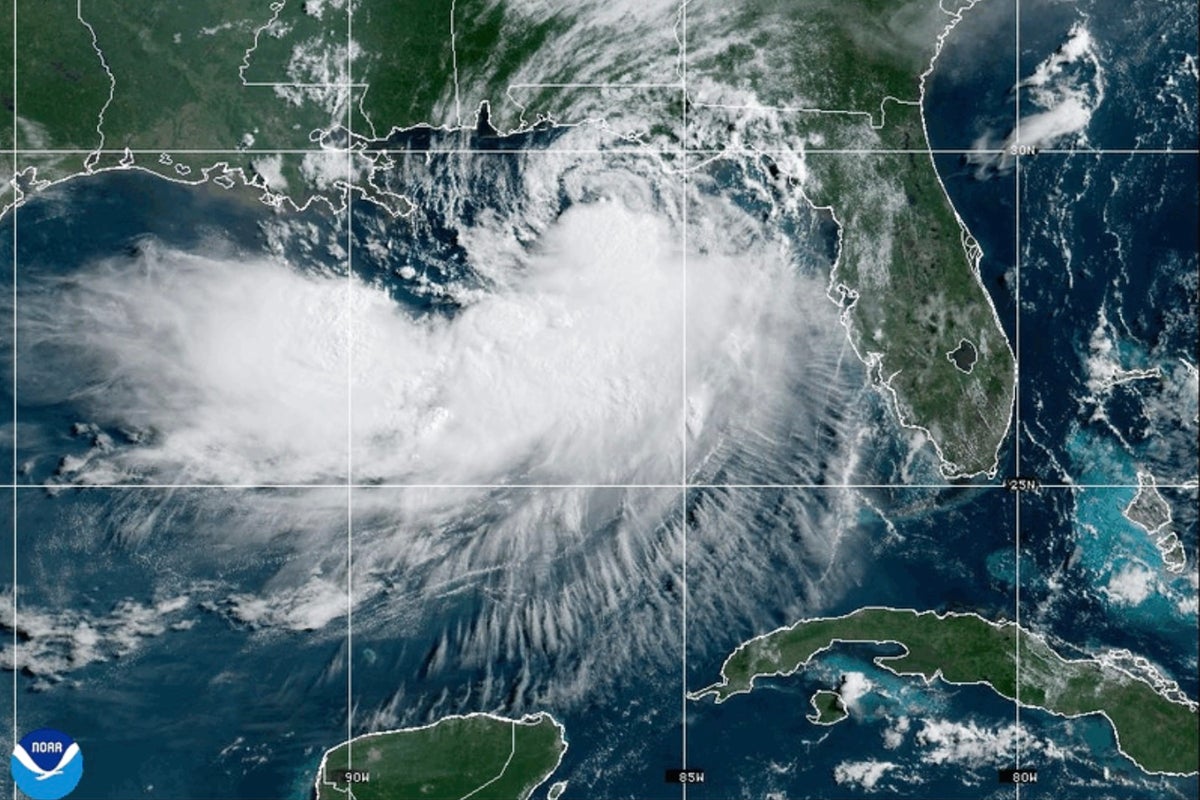
Tropical Storm Bertha hit the Gulf Coast on Wednesday, driving closed beaches from the Florida Panhandle to Louisiana, forcing sandbag distributions, and pushing storm surges up to four feet into low-lying communities.
Mainstream news outlets covered the event with predictable routines. They reported wind speeds, showed empty beaches under double-red warning flags, and quoted local shopkeepers about tourists ducking into restaurants to dodge the rain. But focusing entirely on where a minor storm makes landfall misses the structural issue threatening coastal infrastructure along the Deep South.
The obsession with tracking a storm’s focal point creates a dangerous public blind spot. Forecasters at the National Hurricane Center noted that Bertha’s landfall location was largely irrelevant because tropical-storm-force winds stretched more than 100 miles outward from its center. The real story isn't the point of impact on a radar screen; it is the compound risk faced by communities still recovering from earlier storms, relying on outdated infrastructure that fails under low-intensity weather events.
The Sandbag Delusion in Modern Coastal Preparedness
Local municipalities opened dozens of sandbag sites across Mississippi, Alabama, and Louisiana. Line after line of residents shoveled sand into burlap sacks to protect their homes from two to four inches of predicted rainfall.
It is a comforting ritual. It is also an inadequate response to systemic hydrological threats.
Sandbags are intended as a last-second defense for minor nuisance flooding. They offer zero protection against four-foot storm surges that submerge entire coastal road networks. Relying on manual sandbag distribution in 2026 highlights a persistent failure in municipal flood mitigation planning. When local governments point to sandbag distribution as proof of readiness, they mask deeper failures in drainage systems, marshland restoration, and sea-wall construction.
Consider Mississippi’s Harrison County, where residents gathered to fill bags while still patching roofs and repairing foundations damaged by Tropical Storm Arthur just weeks earlier. Ground saturation in these coastal zones had already reached critical levels before Bertha arrived. When soil cannot absorb moisture, even routine rainfall leads to flash floods that overpower storm drains designed for weather conditions from thirty years ago.
Why Minor Storms Cause Major Infrastructure Cracks
The insurance industry assesses risk based on storm categories. A system carrying 50 mph sustained winds barely registers as a financial crisis on paper.
Reality tells a different story on the ground.
A slow-moving storm that lingers offshore causes far more cumulative damage to utility networks and coastal roads than a faster, stronger storm that sweeps through quickly. Bertha crept westward at just 5 or 6 mph. That prolonged exposure subjects weakened seawalls, aging power grids, and vulnerable bridges to relentless wave action and sustained wind stress over tens of hours.
When municipal drainage systems fail during minor tropical events, the economic toll accumulates silently. Small businesses face localized closures, municipal funds are drained by recurring cleanup operations, and residential insurance premiums climb out of reach. Public messaging framed around surviving the storm ignores the economic erosion that follows days after the water recedes.
Beyond the Double-Red Flags
Beach closures and tourist disruption dominate headlines because they offer dramatic imagery. Yet, closing beaches to prevent drownings from rip currents is the easiest part of disaster management.
The harder part involves confronting the policy gaps that leave coastal populations exposed to predictable hazards.
State and federal disaster recovery frameworks remain reactive. Funds pour in after a major hurricane devastates a metropolitan center, but minimal resources are allocated to reinforce drainage infrastructure, elevate vulnerable access roads, or restore natural buffer zones like wetlands before minor systems hit.
Until local and national leaders shift from short-term emergency responses to long-term structural overhauls, communities along the Gulf Coast will remain trapped in an expensive cycle of filling sandbags every time a named storm enters the Gulf.


