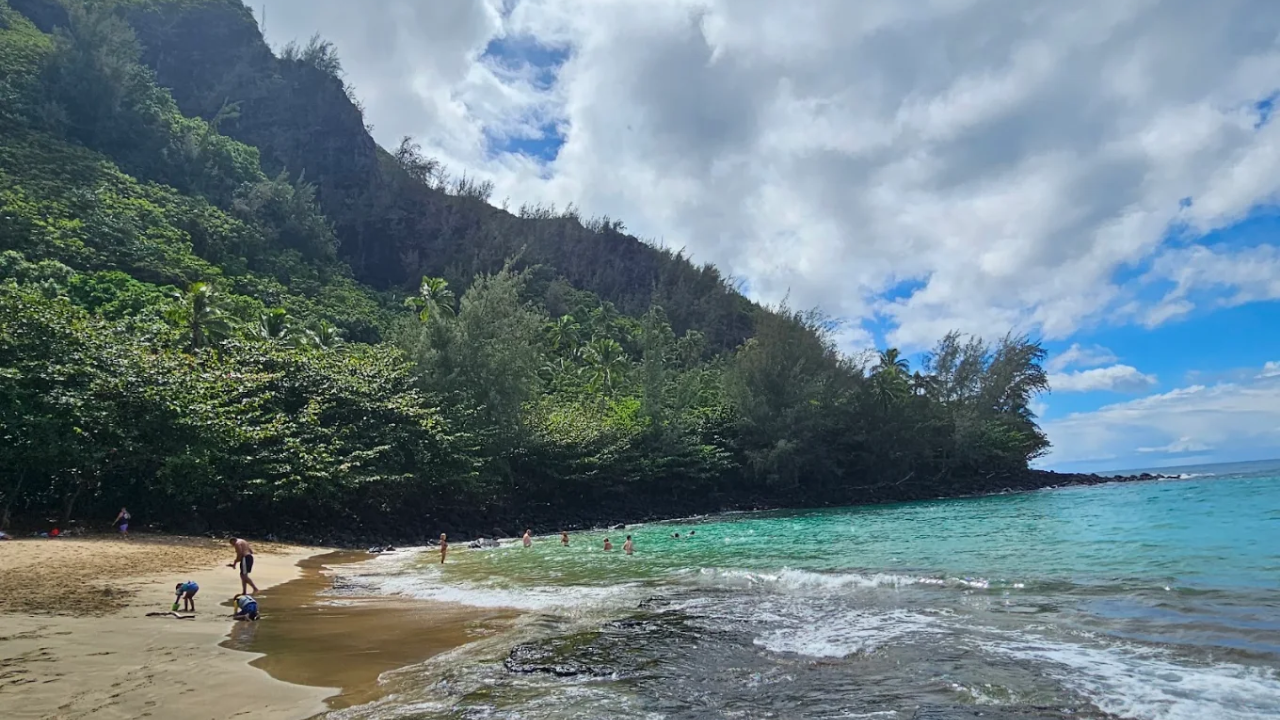
Hawaii’s Hā‘ena State Park reopened to visitors on October 15, 2026, after a 39-day shutdown triggered when Hurricane Lowell approached Kaua‘i in early September. Yet the ribbon-cutting press releases and cheerful travel roundups miss the real story. Reopening one park at the end of a narrow North Shore road does not mean Kaua‘i’s public land system is back on its feet, nor does it erase the tension between fragile coastal infrastructure, local livelihoods, and year-round tourist demand.
To understand what actually happened during those 39 days—and what a partial reopening means for anyone planning a trip to Kaua‘i’s North Shore—you have to look past the headline date and examine the bottlenecks underneath.
Why 39 Days Was Only Part of the Story
When state officials closed Hā‘ena State Park on September 6, 2026, ahead of Hurricane Lowell, the move looked routine. Tropical systems threaten coastal parks every season, and shutting gates early keeps people out of harm’s way. What turned a precaution into a five-and-a-half-week absence was the aftermath: downed timber, unstable terrain, hazard assessments, and repair crews working across an island where multiple state sites were knocked offline at once.
Thirty-nine days sounds neat on a calendar. In practice, a reopening date is a milestone for management, not a reset button for the whole corridor.
During the shutdown, roughly 50 local jobs tied to Hā‘ena State Park sat in limbo, along with shuttle operators, tour guides, and small businesses that rely on steady North Shore movement. At the same time, state managers faced a familiar dilemma on Kaua‘i. Keep the gates locked too long and local workers lose income while pressure builds on neighboring beaches; open too fast and crews risk sending hikers into damaged trails or overwhelming narrow roads and small parking lots.
The Shadow of 2018
You cannot evaluate Hā‘ena State Park without remembering what happened eight years earlier. Severe flooding in April 2018 shut down Hā‘ena State Park and adjacent Nāpali Coast areas for more than a year, forcing a complete rethink of how many people could safely enter the end of the road.
That history shapes every decision made by the Hawaii Department of Land and Natural Resources (DLNR) and Kaua‘i community leaders. A 39-day closure after Hurricane Lowell felt jarring to travelers who had booked flights months ahead. To locals who lived through the 2018–2019 shutdown, five-plus weeks of careful hazard checks and phased access looked measured rather than sluggish.
Still, speed and caution pull in opposite directions. When a storm hits an island with limited highway capacity and steep, saturated slopes, recovery rarely moves at the pace of an airline ticket.
What Reopened, What Stayed Shut, and Why the Rules Matter
A traveler reading that Hā‘ena State Park is open might assume the entire North Shore hiking and beach experience is back to normal. It is not. Phased reopenings come with fine print that catches first-time visitors off guard every single week.
Day-use access returned on October 15, 2026, allowing visitors back to Hā‘ena State Park, Kē‘ē Beach, and day hikes toward Hanakāpī‘ai Beach, valley, and waterfall. Yet key limits remained in place at reopening, including restrictions on overnight camping and hiking beyond the two-mile mark along the 11-mile Kalalau Trail, even as broader Kalalau overnight permits and other Kaua‘i parks saw separate adjustments later in the fall.
Meanwhile, other major draws across Kaua‘i—including Kōke‘e and Waimea Canyon State Parks—remained closed or operating under reduced services well into autumn as storm damage and roadwork continued. Even shuttle operations and municipal services experienced intermittent disruptions and resumptions across the recovery window.
| Access Factor | Hawai‘i Residents | Out-of-State Visitors | Practical Catch to Watch |
|---|---|---|---|
| Day-Use Entry | Free with valid Hawai‘i driver’s license or state ID | $5 per person (ages 3 and under free) | Reservations required for out-of-state visitors via Go Hā‘ena |
| Parking | 30 stalls reserved; no day-pass reservation needed; all in vehicle need ID | $10 per vehicle reservation via Go Hā‘ena | Strict time slots and limited capacity |
| Trail & Overnight Limits | Subject to active trail and safety rules | Subject to active trail and safety rules | Beyond Hanakāpī‘ai along the Kalalau Trail requires proper permitting and open trail status |
| Storm Refunds | N/A for free resident entry | Credited for affected storm-closure dates (2–3 weeks processing) | Do not assume instant card reversals or automatic rebooking |
That table highlights a reality many travel blogs gloss over: reservation systems manage congestion, not weather or geology. Booking a spot on the Go Hā‘ena platform secures a slot under current rules, but heavy rain, slick mud, falling branches, and flash-flood risks along streams and valleys remain part of daily life on the North Shore, especially from October through April when winter swells and rain increase.
A permit or parking pass tells you when you are allowed at the gate; it cannot guarantee that a muddy stream crossing or coastal trail will feel safe ten minutes after you start walking.
The Overlooked Trade-Offs Behind Managed Access
Travel coverage loves a neat comeback narrative. Hurricane hits, park closes, crews clear debris, gates swing open, everyone wins. On the ground in Kaua‘i, the trade-offs are sharper than that.
First, consider community balance versus visitor expectations. Reserving 30 parking stalls for Hawai‘i residents and waiving day-use fees for locals with state IDs reflects a deliberate policy choice to keep coastal access from becoming purely a luxury commodity for tourists. From a fairness standpoint, locals who live with storm traffic, road repairs, and crowded beaches deserve priority access. From a visitor standpoint, tight inventory means spots vanish fast, and missing a shuttle or parking window leaves very little margin for error.
Second, look at economic fragility. Supporting around 50 park-related jobs is meaningful on a small island, yet those jobs sit atop a seasonal, storm-exposed tourism chain. When a single storm forces a 39-day closure and leaves neighboring parks or transit links partially disrupted, the financial hit ripples outward—to shuttle drivers, food vendors, equipment rentals, and accommodation hosts—even after the main gate reopens.
Third, there is a communications gap that trips up travelers every time a park reopens after a storm. Official notices often state that refunds for missed storm dates will be credited automatically over two to three weeks. That policy is fair and orderly, yet travelers who already rearranged non-refundable flights or multi-stop itineraries still bear real friction. And once on site, weak or nonexistent cell service means anyone relying on live web pages at the trailhead instead of downloading passes and checking conditions ahead of time is asking for trouble.
Consider a hypothetical scenario to see how easily plans unravel. Suppose a couple flies in from California for a five-day Kaua‘i trip in late autumn, books a Hā‘ena parking slot, and expects to hike deep into the Nāpali Coast and visit Waimea Canyon on the same trip. If heavy rain hits the North Shore or canyon roads face storm recovery limits, their rigid schedule collides with island logistics. Travelers who build buffer days, pack proper footwear for wet rock and mud, and keep backup plans on other parts of the island handle storm-recovery periods far better than those treating Kaua‘i like a theme park with fixed ride times.
What Smart Travelers and Planners Should Do Right Now
If you are heading to Hā‘ena State Park or tracking Kaua‘i’s post-Lowell recovery, treat the reopening as an active transition rather than a finished project.
- Verify live status before moving: Check official DLNR and Go Hā‘ena condition updates the morning of your outing, as weather and recovery work can alter access quickly.
- Download everything offline: Cell reception around Hā‘ena is unreliable, so save reservation PDFs and maps before losing signal.
- Respect trail and water boundaries: Muddy slopes, swift stream crossings, and ocean currents punish shortcuts, and closed trail segments exist for concrete safety reasons.
- Build flexible itineraries: Pair North Shore time with backup options and expect slower driving and occasional road or facility work across the island.
A 39-day closure after Hurricane Lowell proved that Hā‘ena State Park can bounce back without rushing past safety checks. The harder test is whether visitors show up with the patience and humility that a rugged, storm-tested coastline demands.


