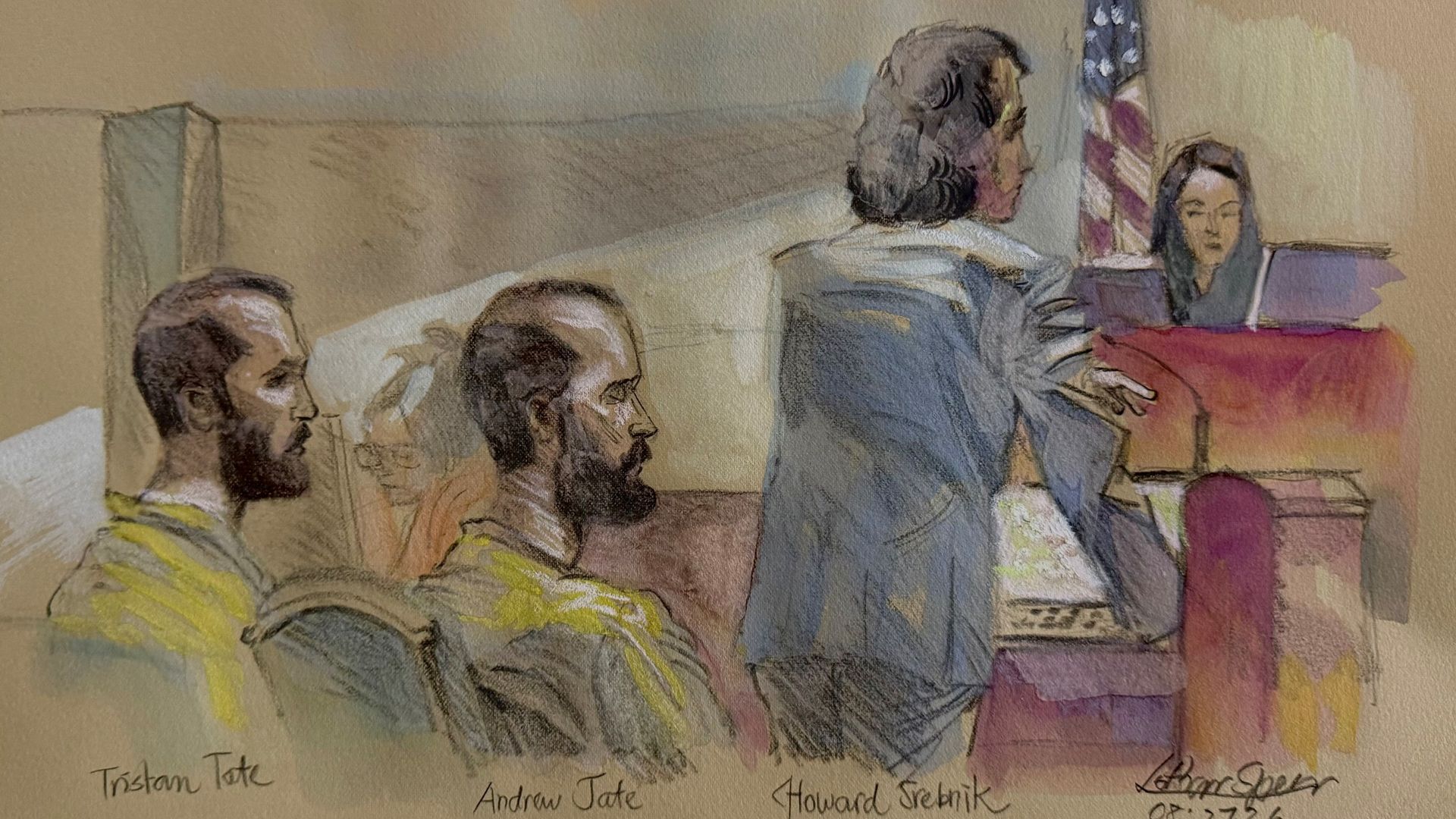
Social media personalities Andrew and Tristan Tate are currently detained in a federal detention center in Miami, fighting an aggressive extradition request from the United Kingdom to face fifty-nine criminal charges, including rape, human trafficking, and assault. During a recent eight-hour bond hearing at the C. Clyde Atkins U.S. Courthouse, the brothers appeared in shackles and tan prison jumpsuits to plead for their release. Tristan Tate starkly characterized the harsh realities of their detention conditions by telling the court it felt like death by scurvy rather than starvation, highlighting a dramatic shift from their previous life of conspicuous luxury.
The Crown Prosecution Service in Britain has methodically built its case against the brothers over several years. British authorities filed initial charges last year before adding thirty-eight additional counts involving multiple accusers. These legal actions run parallel to separate, ongoing criminal proceedings in Romania where the brothers have also faced severe allegations.
The Anatomy of the Extradition Proceedings
International extradition is rarely straightforward. When U.S. Marshals arrested the brothers in Miami, they executed a sealed warrant originating from British authorities. Federal prosecutors argued strongly against granting bail, pointing to the immense gravity of the charges and the potential flight risk posed by defendants with vast financial resources and international reach.
Defense attorneys countered that the brothers have consistently complied with legal requirements during their previous pretrial release parameters in Romania. They argued that the high-profile nature of their public personas makes clandestine travel virtually impossible. Despite these arguments, U.S. Magistrate Judge Lauren Louis opted not to issue an immediate ruling, leaving the brothers detained while the legal machinery grinds forward.
The procedural timeline gives British prosecutors until mid-September to formalize and submit their comprehensive extradition documentation to the U.S. State Department. Until that documentation is formally reviewed and an extradition hearing is scheduled, the federal facility in Miami remains their immediate reality.
Deconstructing the Public Persona
A central theme of the recent courtroom testimony involved separating the online caricature from reality. Andrew Tate testified under oath that his infamous online moniker and aggressive persona are intentionally designed to provoke reactions and perform a character. Defense counsel maintained that these digital exaggerations are frequently misinterpreted by critics and prosecutors alike.
Federal prosecutors aggressively challenged this defense narrative. During the proceedings, government attorneys presented recorded statements and video evidence to argue that the public messaging mirrors the severe nature of the physical allegations made by accusers. This clash between performance art and criminal culpability forms the bedrock of the current evidentiary battle.
International human rights monitors and advocacy groups have closely monitored the proceedings, framing the U.S. extradition push as a critical test for cross-border accountability regarding violence against women. As the diplomatic and judicial paperwork travels between London, Washington, and Miami, the brothers find themselves caught between overlapping legal systems with very little room to maneuver.
US : Tate brothers remain in jail as judge delayed bail decision
This video provides additional coverage of the Miami federal court proceedings where the judge delayed the bail decision for Andrew and Tristan Tate.
http://googleusercontent.com/youtube_content/1