A dangerous complacency has settled over the global public health conversation regarding SARS-CoV-2. The prevailing narrative suggests the virus has evolved into nothing more than a predictable seasonal nuisance, a minor respiratory hurdle easily cleared by the human immune system. But inside the paediatric intensive care units of Hong Kong, a starkly different reality is unfolding.
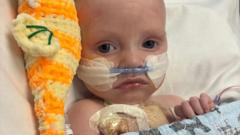
The immediate reality is that a quiet, aggressive resurgence of Covid-19 infections has gripped Hong Kong, catching an under-vaccinated and immunologically naive generation of toddlers directly in the crosshairs. While public attention remains fixated on adult economic recovery and the total abandonment of pandemic-era restrictions, hospital admissions reveal that the virus is far from toothless. The Centre for Health Protection recently confirmed consecutive, severe infections in young children, including a 19-month-old infant fighting for life in critical condition. This is not an isolated spike. It is the predictable outcome of an immunity gap that has been widening for years.
The Illusion of Mildness
For years, parents were comforted by data showing that children generally escape the worst of Covid-19. While statistically true for older children and adolescents, this broad generalization has masked a critical vulnerability in infants under two years of age.
When a virus mutates to maximize transmission, it seeks out the path of least resistance. In a population where most adults have a complex tapestry of immunity built from multiple vaccine doses and repeated natural exposures, the youngest children are the softest targets. They have no historical blueprint for fighting this pathogen.
The clinical manifestation of severe cases in toddlers highlights this vulnerability. We are not seeing simple bouts of the sniffles or a passing fever. Instead, the virus is attacking the upper airway with precision.
The Mechanics of Paediatric Croup
The primary driver behind these emergency ICU admissions is croup, an inflammation of the larynx and trachea that causes severe upper airway obstruction.
In an adult or an older child, the swelling of the airway caused by a respiratory virus goes largely unnoticed because the diameter of their windpipe is large enough to handle temporary inflammation. In an infant, the airway is tiny. Even a single millimeter of mucosal swelling can reduce the airway's cross-sectional area by over 50%.
When an infant is infected, this localized swelling leads to a cluster of unmistakable, terrifying clinical signs:
- A harsh, barking cough that sounds like a seal.
- Stridor, a high-pitched, musical whistling sound heard when the child inhales, signaling that air is struggling to pass through a narrowed windpipe.
- Intercostal retractions, where the skin sucks in between the ribs as the child uses every ounce of physical energy just to draw breath.
When a toddler reaches the stage of resting stridor and retractions, the situation is a medical emergency. The child is at immediate risk of exhaustion, respiratory failure, and asphyxiation. This is precisely why these infants are being rushed past emergency triage straight into intensive care beds.
The Root of the Crisis
To understand why Hong Kong is seeing this specific vulnerability now, one must look at the data surrounding the city's vaccination program. The plain truth is that paediatric vaccine uptake for the youngest demographic has bottomed out.
Hong Kong Paediatric Covid-19 Surveillance Data (Mid-2025 Peak)
-----------------------------------------------------------------
Community Infection Rate Peak: 11.4% (Surpassing August 2024 levels)
Sewage Surveillance Viral Load: Rose from 85,000 to 330,000 copies/litre
Predominant Circulating Lineages: JN.1 and descendant subvariants
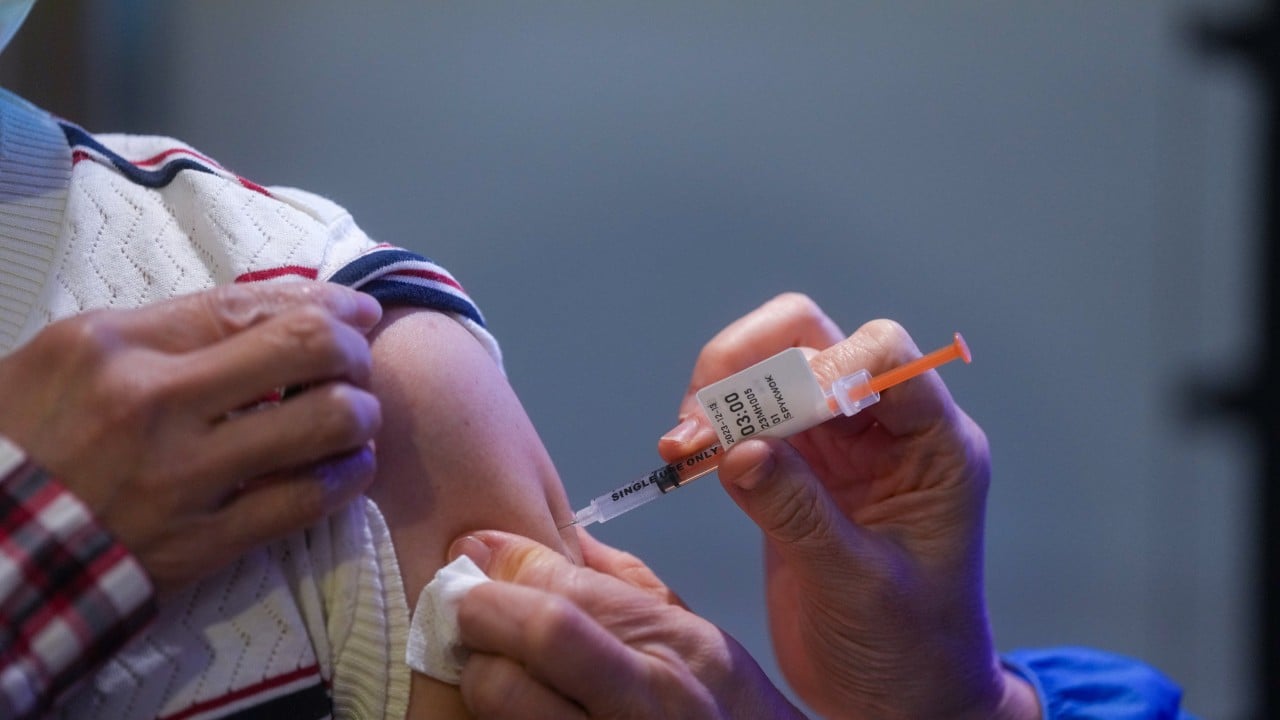
Despite the availability of vaccines tailored for infants aged six months and older, a profound sense of vaccine fatigue has set in. Parents who willingly lined up for their own booster doses years ago are opting out when it comes to their toddlers. The common justification is that the current strains are mild, or that the risk of vaccine side effects outweighs the benefits.
This calculation is fundamentally flawed. The danger of natural, unmitigated infection in an immunologically blank-slate infant is orders of magnitude higher than any minor risk associated with immunization.
The current surge is fueled by variants descended from the JN.1 lineage. These variants are highly adept at evading the historical antibodies present in the adult population, leading to high rates of asymptomatic or mild breakthrough infections. Adults bring the virus home, completely unaware that they are carrying a pathogen capable of shutting down their unvaccinated toddler's airway.
The Cleanliness Paradox
There is another, more insidious factor at play in Hong Kong’s current pediatric health landscape. The city’s historic, hyper-vigilant approach to hygiene during the pandemic years has rewritten the immunological baseline of its youngest citizens.
Recent clinical studies out of the Chinese University of Hong Kong have highlighted a staggering 46 percent increase in infant eczema and atopic conditions. The cause? An obsession with chemical sterilization, constant alcohol-based handrub application, and the structural isolation of infants during their foundational developmental windows.
By sterilizing the environment to an unnatural degree, we have inadvertently denied the infant immune system the routine environmental bacteria it requires to calibrate itself. An uncalibrated immune system is prone to two things:
- Overreacting to harmless environmental triggers, leading to chronic inflammatory conditions like eczema.
- Failing to mount a swift, coordinated response when confronted with a genuine viral threat, allowing a pathogen like SARS-CoV-2 to replicate unchecked until it causes systemic havoc.
This is the hidden cost of the zero-Covid legacy. The infants entering the ICU today are living in a world that transitioned overnight from absolute isolation to total exposure, and their immune systems are paying the price for that whiplash.
Beyond the Respiratory Tract
The threat to these infants is not confined to the lungs and windpipe. While croup presents the most immediate, visible crisis, pediatricians are increasingly worried about the systemic aftermath of the infection.
When SARS-CoV-2 takes hold in a patient with no pre-existing immunity, it can trigger a delayed, hyper-inflammatory response known as Multisystem Inflammatory Syndrome in Children (MIS-C). This condition typically manifests weeks after the initial infection has seemingly cleared. The body's immune system, having finally woken up to the threat, goes into overdrive, attacking healthy tissue across multiple organ systems.
Pediatricians look for a persistent, high fever above 39.5°C that refuses to yield to standard antipyretics like paracetamol. This is often accompanied by distinct multi-organ warning signs:
- Bloodshot eyes without discharge.
- A deep red, swollen tongue and cracked lips.
- Widespread skin rashes and swelling of the hands and feet.
- Severe gastrointestinal distress, including vomiting and acute abdominal pain.
MIS-C can quickly progress to coronary artery aneurysms and toxic shock. It is a reminder that treating Covid-19 as a simple respiratory infection is an adultcentric view that ignores the complex pathology of the disease in young children.
The Path Forward
The medical community cannot treat its way out of this crisis solely at the ICU bedside. Injecting corticosteroids to reduce airway swelling and administering supplemental oxygen are reactive measures. They save lives, but they do nothing to prevent the next ambulance from arriving.
Public health policy must shift away from the passive monitoring of infection curves and move toward targeted, aggressive campaigns to close the pediatric vaccine gap. The infrastructure that was built to track adult compliance must be repurposed to educate parents on the specific, severe risks that current variants pose to infants.
Furthermore, the medical establishment must be completely transparent about the limits of natural immunity. Relying on the idea that a child will gain robust protection through catching the virus naturally is a reckless gamble when the cost of entry is a stay in a pediatric intensive care unit.
The crisis in Hong Kong is a canary in the coal mine for any metropolis that believes Covid-19 has been relegated to history. The virus has not changed its fundamental nature; it has merely changed its audience. Until pediatric vaccination rates match the urgency of the clinical reality, the youngest and most vulnerable members of society will continue to bear the burden of our collective desire to look away.