Homeboy Industries is now an official licensee for LA28 Olympic and Paralympic merchandise, serving as the flagship example for a broader program called Made for Two-Eight designed to bring Los Angeles County small businesses into the Games' consumer products supply chain. Announced in October 2026, the deal puts apparel and accessories decorated by Homeboy trainees—starting with a torch motif created by Homeboy Art Academy founder Fabian Debora—onto the official licensing track ahead of the 2028 Games. Yet a close look at how mega-event merchandising actually operates reveals a sharp tension between heartwarming community optics and the unforgiving mechanics of global retail.
For decades, Olympic consumer products have functioned like a walled garden built for scale. Organizing committees sign massive category agreements with multinational giants—names like Nike, Ralph Lauren, Fanatics, New Era, and Skims sit on LA28's official licensee roster—because global brands have the working capital, compliance infrastructure, factory capacity, and distribution muscle to move millions of units without missing a beat. Small workshops rarely clear that bar. When a city promises "local economic inclusion," what usually happens is a handful of press-ready exceptions while the vast majority of souvenir dollars still flow to established corporate players.
How a Three-Year Coffee Turned Into an Official Emblem
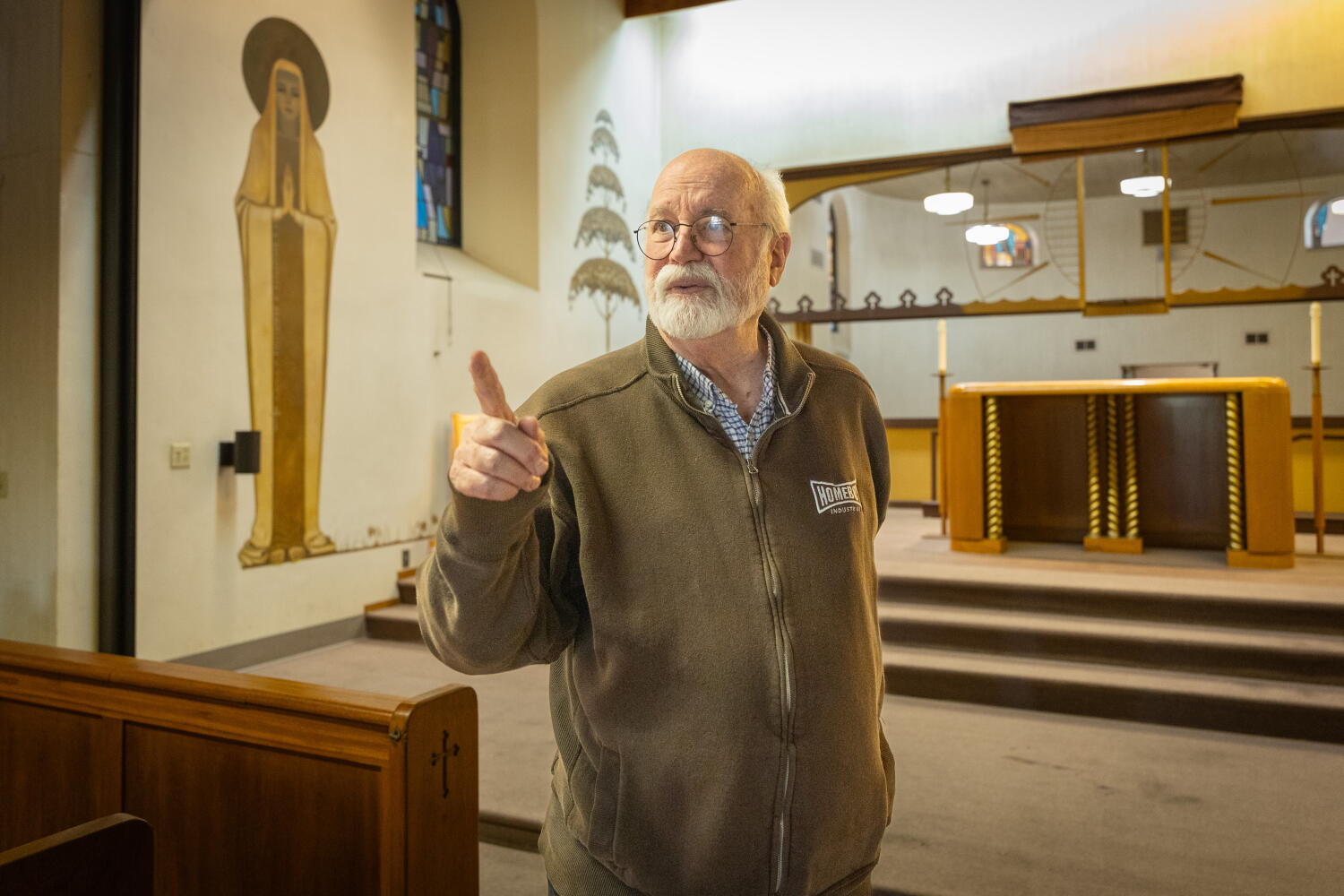
The origins of the Homeboy agreement are straightforward enough. According to LA28 and Homeboy leadership, the groundwork started roughly three years ago when LA28 CEO Reynold Hoover sat down with Homeboy Co-CEO Steve Delgado at Homeboy's headquarters in Los Angeles to ask how the Games could create real commercial pathways for neighborhood enterprises rather than leaving them outside the perimeter.
That conversation eventually produced two things. First, a direct licensing deal making Homeboy Industries the first local small business authorized to craft official LA28 apparel and accessories. Second, Made for Two-Eight, a licensing initiative aimed at smaller Los Angeles County makers whose products are designed, sourced, and manufactured locally. Applications opened on October 30, 2026 via RAMPLA.org, run through February 2027, and are slated to name awardees in July 2027—about a year before the Games conclude in August 2028.
Homeboy brings something most small apparel shops do not have: an established social enterprise footprint—including silkscreen and embroidery operations—paired with institutional credibility and a nearly four-decade anchor in East Los Angeles. Its trainees gain paid work experience and reentry support while producing tangible goods. Debora's initial torch design nods to Father Greg Boyle carrying the Olympic flame in 1984 and frames the torch as a symbol of internal healing and transformation.
Bringing a reentry organization and neighborhood manufacturers into official Olympic licensing changes the narrative around who owns the Games' brand, even if volume alone will never rival global retail giants.
The Real Bottlenecks Behind Local Olympic Merch
Anyone who has spent years watching sports licensing knows that getting permission to use an Olympic mark is only step one. The real test starts when inventory, margins, and speed collide.
- Unit economics and minimums: Olympic retail spikes sharply around key windows—trials, torch relays, opening ceremonies, and medal days—and then cools off. Small shops with tight cash flow can get squeezed if they tie up capital in raw blanks, inks, and packaging that move slower than projected.
- Local sourcing friction: Made for Two-Eight prioritizes businesses operating physical facilities in Los Angeles County—with extra weight for the City of Los Angeles and materials sourced locally where feasible. In Southern California, finding cost-competitive local textile mills, trims, and specialized components at small-batch scale is genuinely hard. Most garment supply chains rely on imported fabrics even when printing or assembly happens domestically.
- Brand protection vs. creative freedom: Olympic intellectual property is fiercely guarded by the organizing committee and the broader Olympic movement. Local makers who thrive on edgy street sensibility or offbeat humor often have to adjust designs to clear strict mark guidelines and category boundaries.
- Shelf placement and visibility: A license means little if fans never see the product or if it sits buried in a corner display. Distribution channels—whether official retail locations, partner outlets, or direct-to-consumer sales—determine whether a badge translates into meaningful revenue.
Consider a hypothetical example to see how the math plays out. Suppose a five-person screen-printing and cut-and-sew shop in Boyle Heights wins a Made for Two-Eight license for heavyweight hoodies. To hit a viable retail price point without losing money on every garment, the shop might need to buy blank fleece in bulk, cover licensing and quality-control requirements, and staff extra shifts ahead of summer 2028. If demand surges, great—assuming they can scale output without burning out a small team. If foot traffic is uneven or supply costs jump mid-year, thin margins leave almost no cushion.
Why LA28 Is Pushing Neighborhood Makers Now
Timing explains much of LA28's urgency. With less than two years remaining before the 2028 Games, organizing committees face intense scrutiny over whether mega-events deliver promised local returns or simply subsidize corporate balance sheets. Projections from the Los Angeles County Economic Development Corporation have pointed to up to $40 billion in potential regional economic output, a number that invites skepticism whenever residents ask who actually sees the upside.
Programs like Made for Two-Eight—alongside LA28's local food vendor effort, LA Authentic—give LA28 and city leaders a concrete mechanism to point to. For visitors, a locally made item carries a story a generic mass-produced souvenir cannot fake. A garment embroidered or screen-printed by people rebuilding their lives in Los Angeles feels distinct from standard stadium gear.
Still, goodwill is not a business model. Small business owners across Los Angeles County—from Long Beach to the San Fernando Valley and East LA—should treat the opportunity with clear-eyed discipline rather than starry-eyed optimism. Eligibility requires meeting U.S. Small Business Administration size standards and proving local manufacturing and sourcing credentials, and standard terms set the rules of engagement.
| Dimension | Legacy Mega-Event Model | Made for Two-Eight Local Model | Practical Reality for Makers |
|---|---|---|---|
| Primary Producers | Global apparel and retail corporations | SBA-qualifying LA County small businesses | High visibility for small shops, far smaller unit scale |
| Supply Chain | Multi-country global manufacturing | Made in LA County; local materials prioritized | Local material sourcing can raise costs and limit options |
| Core Strength | Massive scale, capital reserves, broad distribution | Authenticity, neighborhood roots, craft identity | Strong story appeal, higher operational sensitivity |
| Main Risk | Criticized for extracting value without local roots | Cash-flow strain, compliance hurdles, capacity limits | Needs conservative budgeting and realistic volume targets |
What Small Producers Should Watch Next
If you run a small manufacturing or craft business in Los Angeles County eyeing official LA28 merchandise, do not wait until summer 2028 to figure out operations. The application window runs through February 2027 with selections slated for July 2027, leaving a tight runway to nail down supplier quotes, production lead times, and cash reserves.
Audit your supply chain honestly before applying. Map out which inputs can genuinely be sourced in Los Angeles County or the City of Los Angeles, price out worst-case material costs, and decide which specific SKUs you can produce reliably without stretching your team past breaking point. Homeboy Industries has shown that a local reentry social enterprise can step onto the official stage; turning that opening into lasting small-business wealth across the county will depend on sharp execution long after the cameras leave.