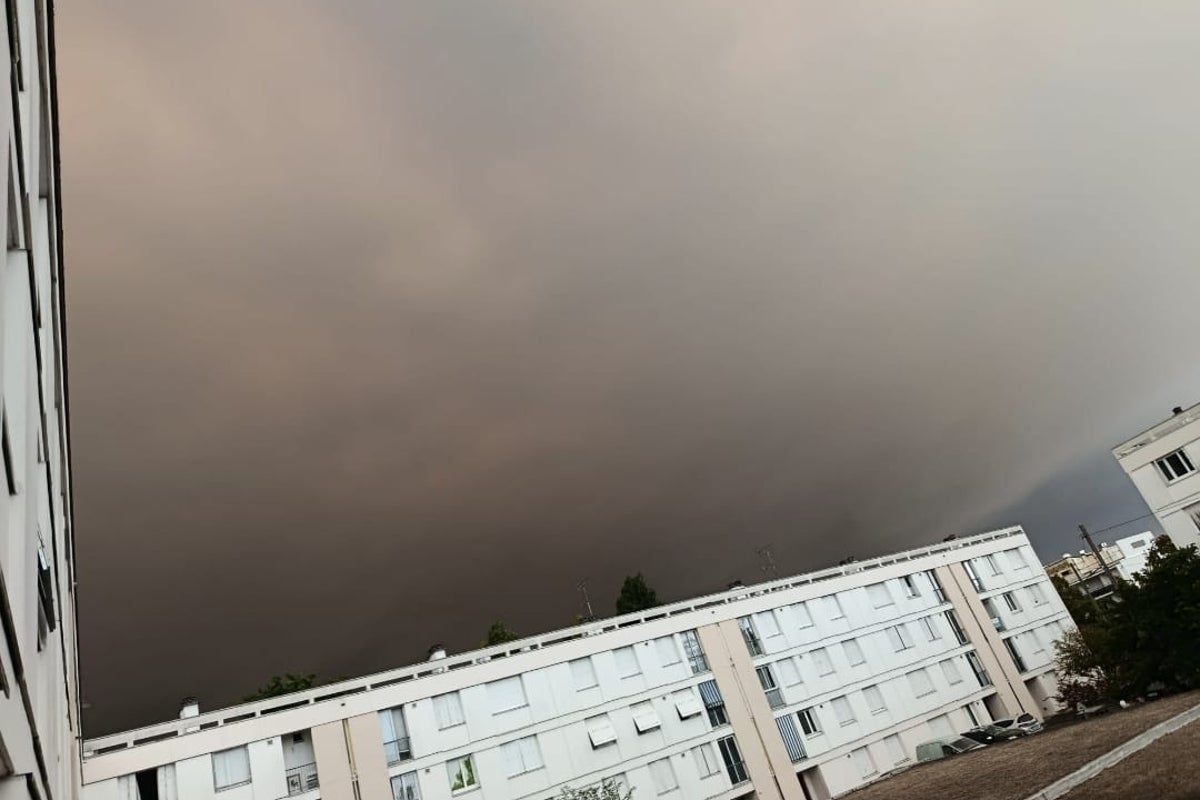
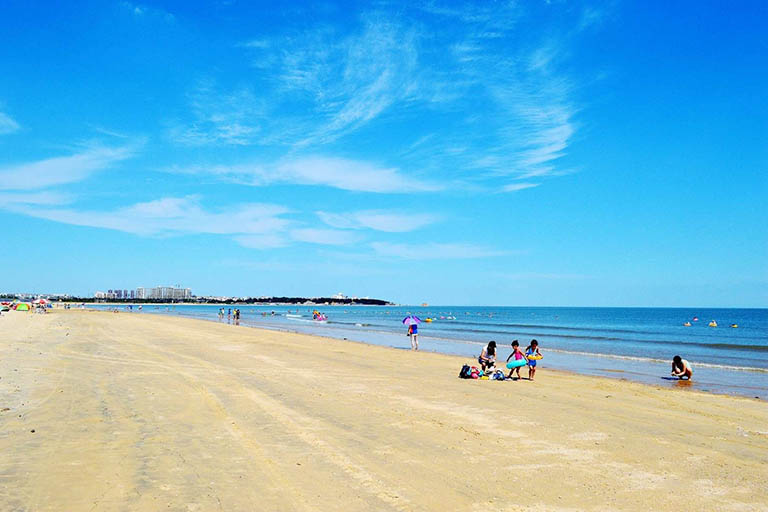
Seventy-five thousand people marching through the suffocating heat of Palma de Mallorca changes a city. It changes the mood in the tapas bars. It alters the nervous tic of the hotel concierge watching the front doors. When Spanish riot police fired rubber bullets and smoke canisters into crowds protesting runaway mass tourism in the Balearic Islands, the long-simmering tension between local survival and European leisure boiled over into outright street conflict. The core premise is simple yet brutal. Residents can no longer afford to live where they were born, working-class neighborhoods are turning into hollowed-out Airbnb compounds, and the infrastructure of a historic island is buckling under the weight of twenty million annual visitors.
For decades, the standard economic narrative of the Balearic Islands relied on an unwritten social contract. Tourists brought cash. Locals provided service. Everyone shared the sunshine. That contract has officially expired.
The Anatomy of a Breaking Point
To understand why tens of thousands of Mallorcans flooded the historic center under banners reading "Mallorca is not for sale," you have to look past the sun-bleached postcard imagery. You have to look at a spreadsheet of local wages versus real estate pricing.
The average salary in the Balearic Islands lags behind the Spanish mainland, yet property values and rental rates have skyrocketed to levels comparable to Madrid or Barcelona. Why? Because residential apartments have been systematically converted into short-term holiday rentals. A landlord can earn more from German or British tourists in two weeks of peak summer than from a local family paying rent over an entire year.
Police response on that fateful afternoon did not happen in a vacuum. It was the culmination of years of ignored municipal petitions, failed caps on tourist licenses, and a growing sense of desperation among indigenous populations. When local authorities authorized law enforcement to use kinetic impact projectiles against demonstrators, they crossed a psychological Rubicon. You cannot police your way out of a housing crisis. Every rubber bullet fired only cemented the narrative that the local government protects foreign capital rather than its own citizens.
+-------------------------------------------------------------+
|               The Balearic Economic Pressure Loop           |
+-------------------------------------------------------------+
| 1. High influx of short-term visitors                       |
| 2. Conversion of residential stock to holiday rentals       |
| 3. Skyrocketing rents displace local workers                |
| 4. Severe labor shortages in healthcare, service, and public|
|    sectors                                                  |
| 5. Escalating social unrest and mass street protests        |
+-------------------------------------------------------------+
This structural decay creates a paradox that economists call the tourist trap cycle. The more visitors the island attracts, the more service workers it needs to maintain the hospitality machinery. Yet those same workers cannot find housing, forcing them to commute from makeshift camper vans, tents, or off-island. Hospitals face staffing shortages because nurses cannot afford rent. Schools struggle to retain teachers. The island is eating its own tail.
Beyond the Rhetoric: The Numbers Driving the Rage
Public demonstrations rarely reach this scale without quantifiable misery beneath the surface. Official tourism boards love to tout record-breaking arrival statistics. Every billion euros in revenue is trumpeted as a triumph.
Look closer at the distribution of that wealth. The vast majority of profits flow upward into multinational hospitality conglomerates, airline profits, and absentee property investors. The workers serving the drinks and cleaning the pools absorb the external costs. They deal with gridlocked highways, water restrictions during severe droughts, and mountains of single-use plastic waste left behind in pristine coves.
During the peak summer months, water consumption in towns like Andratx and Pollença spikes dramatically, forcing municipal authorities to implement supply restrictions. Residents face fines for filling gardens while massive resort complexes maintain sprawling emerald lawns and private infinity pools. This disparity fuels an underlying resentment that transcends simple annoyance with noisy vacationers. It is an argument over basic dignity and resource allocation.
The Airbnb Effect on Local Communities
The proliferation of unmonitored holiday lettings transformed urban geography. Neighborhoods like Santa Catalina and La Lonja, once characterized by corner grocery stores, neighborhood bakeries, and multi-generational families, now resemble open-air theme parks.
- Displaced Communities: Long-term residents evicted to make way for digital nomads and weekend party groups.
- Commercial Erosion: Hardware stores and pharmacies replaced by souvenir shops, overpriced brunch spots, and luxury boutiques.
- Infrastructure Strain: Waste management systems designed for fifty thousand people handling three hundred thousand transient occupants.
Attempts by regional governments to curb illegal rentals have largely stalled under legal challenges from property lobbies. Fines, when levied, are often treated by corporate landlords as a mere cost of doing business. The system protects the investor while penalizing the resident.
The European Ripple Effect
Majorca is not an isolated anomaly. It is the frontline of a broader Mediterranean reckoning. From the crowded alleyways of Dubrovnik to the protest-scarred streets of Barcelona and Athens, historic European destinations are realizing that unbridled growth destroys the very culture travelers cross continents to experience.
When a city loses its soul, tourists eventually notice. Nobody travels to Palma to walk past shuttered local businesses, automated key-drop boxes, and endless rows of identical souvenir stalls. The monoculture of mass tourism cannibalizes its own appeal.
Governments across Southern Europe face an impossible balancing act. Shut down tourism entirely, and economies collapse into immediate bankruptcy. Let it run unchecked, and social fabric tears apart entirely.
Yet, looking at how regional leaders responded to the July marches, the reaction remains timid. Minor zoning adjustments, marginal tourist taxes, and toothless verbal warnings do not address structural imbalances. A tourist tax of a few euros per night will not deter a wealthy traveler from Northern Europe, nor will it lower a local rent hike of four hundred euros a month.
What Real Reform Requires
Fixing the crisis in the Balearics demands measures that politicians historically lack the political courage to enact. It requires absolute caps on total visitor numbers per season, enforced through airline slot restrictions and port traffic limits. It requires the outright ban of short-term rentals in designated residential zones, backed by aggressive expropriation of chronically vacant properties for public housing stock.
More than that, it requires shifting away from volume-based growth metrics. For decades, success was measured purely by bums in seats and heads on pillows. That model is dead. The new metric must be sustainability, resident well-being, and wealth retention within the local community.
The smoke from police smoke canisters has cleared from the avenues of Palma. The tourist crowds have returned to the beaches, snapping photos and sipping sangria, blissfully unaware of the social earthquake rumbling beneath their feet. But the graffiti remains on the walls. The anger among residents has not dissipated. The rubber bullets proved that the state is willing to draw a hard line to protect the status quo, but history suggests that oppressed populations facing housing eviction and economic erasure eventually find ways to make their voices impossible to ignore.