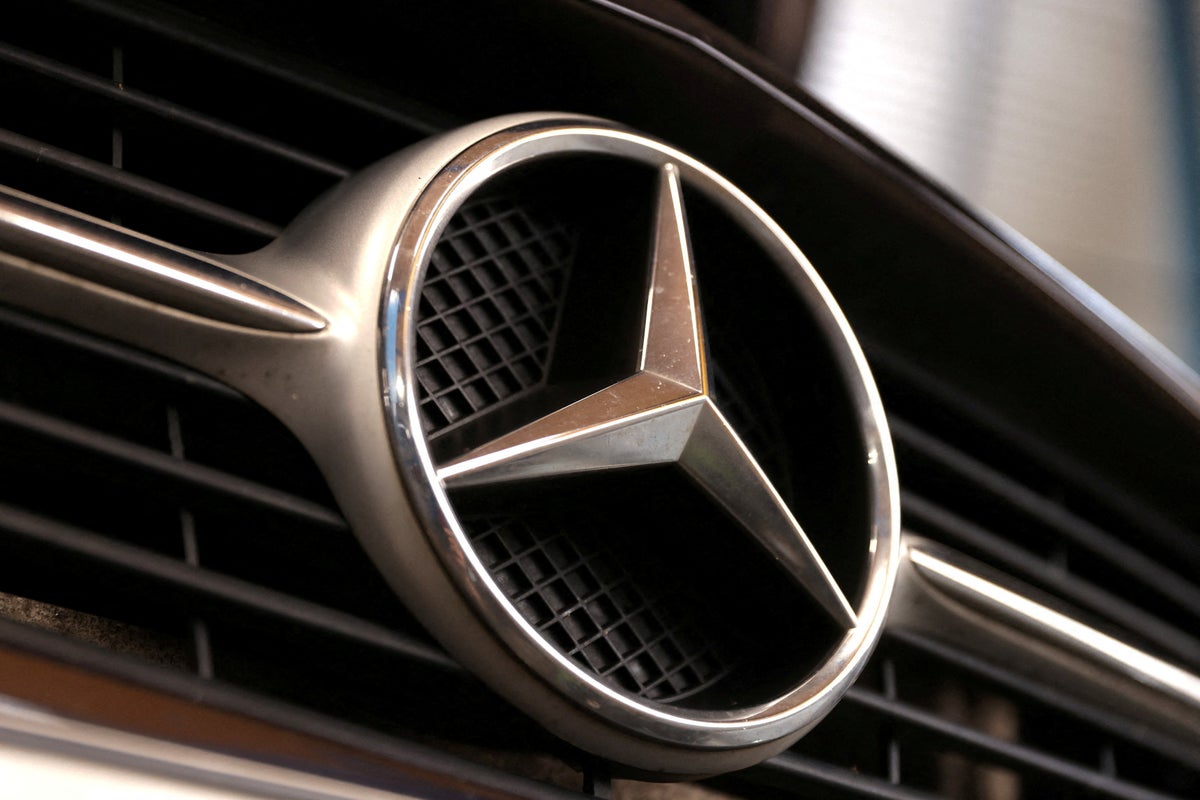
Two drivers in Southern California recently filed a class-action lawsuit against Mercedes-Benz USA, alleging that the metallic AMG logo embedded in their vehicle seats absorbs solar radiation, heats up to extreme temperatures, and inflicts second-degree thermal contact burns on unsuspecting occupants.
Automotive luxury is supposed to be safe. It is supposed to soothe, pamper, and insulate the driver from the harsh realities of the physical world. Yet, according to a complaint lodged in the U.S. District Court for the Central District of California, contemporary vehicle ergonomics collided with simple physics in a painful, disfiguring way. The plaintiffs, Gabriel Lahijani and Karendeep Bath, claim that the raised metallic badge on certain performance-tuned front seats acts as a localized heat sink, branding skin upon contact.
This incident exposes a deeper vulnerability in modern automotive design. Aesthetic branding has overtaken human-centric engineering.
The Mechanics of a Thermal Trap
To understand how a car seat can cause clinical burns, one must look closely at cabin microclimates. Modern car interiors act as short-wave solar radiation traps. When sunlight streams through laminated glass, it converts into long-wave thermal energy trapped inside the vehicle.
Plastics, leather, and textiles absorb this heat gradually, dispersing it across broad surface areas. Metals behave entirely differently. Aluminum and specialized chrome-plated alloys possess high thermal conductivity and low specific heat capacity. They absorb radiant energy rapidly and concentrate it.
When a polished metal badge sits flush within or protrudes slightly from a heavily bolstered performance seat, it becomes an isolated thermal point.
Vehicle testing data shows that closed cabins parked under direct summer sunlight routinely experience ambient temperatures exceeding 130 degrees Fahrenheit, while dark interior surfaces routinely push past 180 degrees Fahrenheit. A metallic insignia exposed to these conditions does not merely get warm. It stores energy intensely.
When a driver wearing a tank top or sleeveless shirt slides back into the bucket seat, their skin meets a localized heat source akin to a household iron.
Form Over Function in Cabin Ergonomics
Performance seats are built for lateral support, not lounging. High-bolstered bucket configurations used in performance divisions like Mercedes-AMG press the occupant's upper back, shoulder blades, and neck firmly against the seatback.
This tight physical coupling is intentional during aggressive cornering. On the track, you want zero body roll. On a highway commute in July, that same geometry forces continuous skin contact with whatever ornamentation the manufacturer has bolted onto the upholstery.
For decades, car interior design followed a strict functional hierarchy. Touchpoints had to be soft, thermally neutral, or insulated. Wood trims were phased out of high-contact areas because of splintering risks; exposed metals were restricted to shift knobs or door handles where drivers used their hands, naturally anticipating varied temperatures.
Embedding rigid, uninsulated metal badges directly into the upper backrest represents a departure from traditional safety ergonomics. Designers prioritized visual identity over tactile safety. They wanted passengers to see the emblem every time they opened the door, forgetting that human flesh would eventually occupy that exact coordinate.
The Legal and Corporate Aftermath
The lawsuit filed by Lahijani and Bath demands more than token financial remediation. The plaintiffs are asking the court to force Mercedes-Benz to cover the costs of removing or modifying the offending badges across affected fleets, alongside general damages for emotional distress and medical care.
Medical documentation submitted in the filing describes a stark reality. Dermatological examinations of the injuries note clear blistering, with wounds bearing the precise geometry of the embossed lettering—literally an AMG inscription burned into human tissue.
Mercedes-Benz has faced complex litigation before, but consumer safety suits involving interior components hit a sensitive nerve. Powertrain failures can be explained away as mechanical wear; software glitches can be patched over-the-air. An automobile that actively assaults its driver via standard interior trim defies the core promise of consumer transportation.
Engineering teams will now face uncomfortable internal reviews. If a stamped metal logo can reach temperatures capable of blistering skin during routine parking cycles, the margin for error in luxury interior materials is narrower than executive boards assumed.
The Broader Industry Blind Spot
This episode is not isolated to a single German automaker. Across the industry, interior design has pivoted toward minimalist dashboards dominated by glass screens, piano-black plastics, and brushed metal accents.
Cabin aesthetics now mimic high-end consumer electronics. Laptops and smartphones frequently feature metallic chassis that become uncomfortably hot under heavy processing loads or direct sunlight. Consumers accept those thermal trade-offs for portable electronics because devices can be moved, set down, or covered.
An automobile seat cannot be easily set aside.
When digital displays, capacitive touch panels, and metallic trim pieces are introduced into environments subject to extreme thermal swings, the physical consequences multiply. Ergonomic testing protocols designed decades ago failed to account for how modern styling trends interact with intense climate conditions.
Automakers test for UV degradation, seatbelt retractor endurance, and airbag deployment speeds. They test seat foam density and leather dye migration. Thermal contact injury testing for decorative trim elements has evidently lagged behind styling innovations.
The shadow of the current litigation will force industrial designers back to the drawing board. Materials selection must once again account for human physiology.
Luxury cannot come at the expense of basic bodily safety. When a vehicle's primary interface turns against its operator, the cost of vanity becomes visible on the skin.


