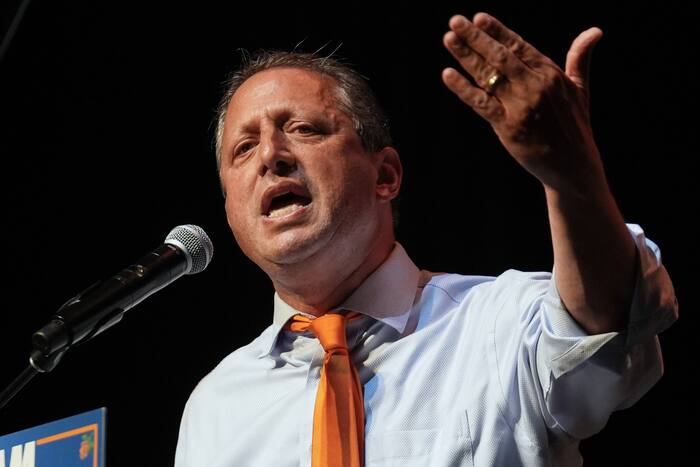
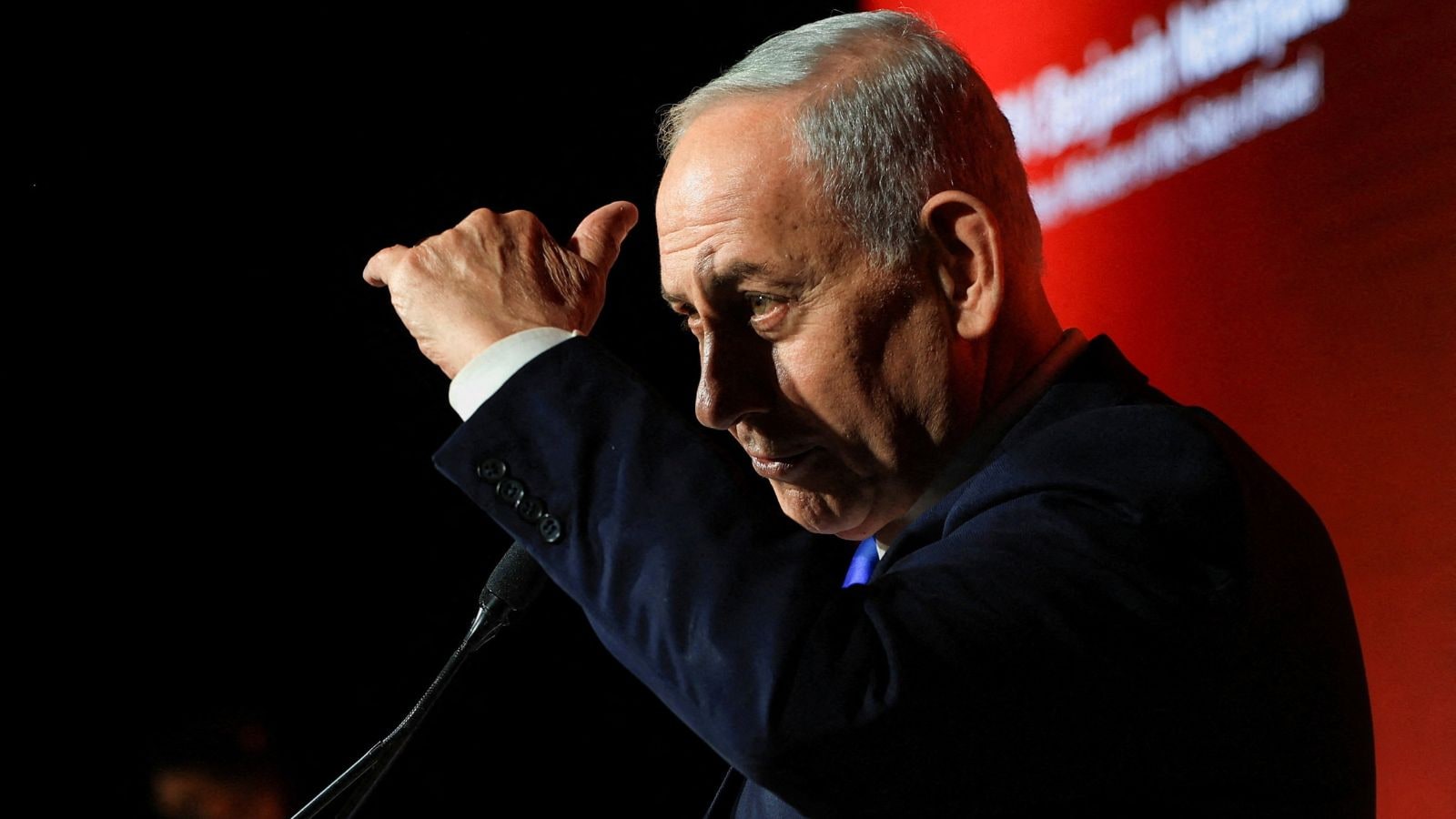
President Donald Trump repeatedly singled out Ohio Senator Jon Husted's physical build during autumn 2026 campaign rallies—even when speaking in states outside Ohio—turning locker-room-style physical appraisals into a recurring crowd bit ahead of the November midterms. Across stops in Ohio, Kentucky, and North Carolina, Trump framed his comments around Husted's past as a college football player and his muscular frame, pairing blunt body commentary with claims of political momentum that ultimately did not prevent Husted from losing his Senate race to Democrat Sherrod Brown.
Watched strictly as a viral clip, the episode looks like standard cable-news fodder. Treated as a piece of campaign strategy, it reveals something far more revealing about modern rally mechanics, candidate branding, and the limits of personality-driven persuasion when voters show up to cast ballots.
Why Physical Appraisal Became a Campaign Routine
Campaign speeches rarely stay on script when a crowd responds to an unvarnished line. Trump has spent more than a decade testing material in front of live audiences, keeping what draws laughter or applause and discarding what falls flat. During the 2026 midterm push, remarks about Husted's athleticism, shoulders, hands, feet, and rear moved from a one-off observation to a recurring riff.
Politicians talk about strength all the time. Usually, they mean policy toughness, legislative stamina, or a willingness to fight in Washington. Trump compressed that abstraction into literal physical inspection, telling rallygoers he had studied Husted's build and comparing his shoulder to steel.
A rally crowd rewards novelty and permission to laugh at norms that traditional political consultants treat as untouchable.
💡 You might also like: Washington Shifts Stance as Envoy Redefines Kashmir Status
That dynamic explains why the bit survived across multiple states. When a speaker prefaces a comment by saying he does not usually inspect another man's physique, he creates a self-aware buffer. Supporters hear humor and authenticity; critics hear boundary-pushing vulgarity. Both reactions keep the clip circulating long after the rally ends.
The Anatomy of Rally Spectacle vs. Voter Persuasion
Television producers love a jarring quote because it fills segments without requiring policy context. Campaign strategists have a much harder job: converting attention into durable votes across an entire electorate.
Consider a hypothetical campaign manager running a statewide race in a battleground or lean-partisan state. If a headline-grabbing rally line spikes social media mentions for forty-eight hours, does it move undecided voters in suburban counties or remind low-propensity base voters to return a ballot? Often, the answer is mixed at best. Attention is not persuasion, and viral reach is not turnout.
In the 2026 Ohio Senate race, Trump asserted that his blunt remarks about Husted's physique boosted the senator's standing by twelve points. Election results told a harsher story. Sherrod Brown defeated Husted to flip the seat back to the Democrats, underscoring a basic rule of American politics: crowd applause inside an arena does not automatically translate into a majority on Election Day.
| Tactical Element | Rally Impact | Electoral Reality |
|---|---|---|
| Unscripted physical riffs | High crowd energy and instant clipability | Polarizing outside core base voters |
| Athletic toughness framing | Reinforces a "fighter" image for allies | Does not substitute for economic or local appeal |
| Cross-state repetition | Keeps a signature line in news cycles | Can crowd out broader midterm messaging |
| Endorsement rally headliners | Draws large crowds and local press | Limited lift when opposing coalitions mobilize |
What Critics and Analysts Miss About the Strategy
Surface coverage tends to treat these moments either as pure shock value or as signs of political decline. Both readings miss the calculated craft embedded in modern rally performance.
First, transgressive humor functions as loyalty signaling. When a political leader says something that makes institutional commentators wince, loyalists often rally closer because they view the backlash itself as proof that their side is attacking the establishment. Saying the quiet part out loud—or saying something deliberately crude—signals that the speaker refuses to be policed by decorum rules.
Second, masculinity branding has become an explicit battleground. Across the 2026 cycle, Trump repeatedly contrasted preferred candidates with opponents by invoking physical traits, athleticism, or traditional toughness—praising figures like Husted, Robert F. Kennedy Jr., and Georgia candidate Mike Collins while trading personal jabs at rivals such as Jon Ossoff. Whether voters view that framing as refreshing candor or juvenile distraction depends heavily on what qualities they prioritize in elected officials.
At the same time, there is a clear gray area in measuring cause and effect. A single speech routine rarely decides a Senate race on its own. Inflation pressures, health care debates, candidate quality, ground-game turnout, and national partisan headwinds all weigh heavily in midterm elections. Attributing Husted's loss solely to rally rhetoric would be lazy analysis; claiming the rhetoric helped win votes that never materialized would be wishful thinking.
The Media Feedback Loop Behind Viral Quotes
Competitor outlets often summarize stories like this by spotlighting the most sensational phrase in the headline. That approach gets the click, yet it leaves readers with a distorted picture of how the story actually traveled.
A line spoken at a rally enters a multi-step amplification chain:
- Live crowd reaction tells the speaker whether the joke lands in the room.
- Short video clips strip away surrounding remarks and isolate the sharpest line for social feeds.
- Aggregator headlines repackage the shock value for rapid scanning across national and international audiences.
- Partisan commentary turns the clip into proof of either brilliance or unfitness before voters ever weigh policy records.
Over twenty-five years of watching campaigns up close, one pattern stands out above all others: campaigns rarely fail because they lack attention. They fail when they confuse attention with an argument strong enough to hold a coalition together in November. Watch how candidates balance crowd-pleasing spectacle against disciplined persuasion in the next election cycle, because the gap between a viral clip and a winning vote total remains the widest chasm in modern politics.