When an 18-year-old ATR 42-500 maritime patrol aircraft belonging to the Nigerian Air Force slammed into a swampy expanse near Igbokoda in Ondo State, killing all 25 occupants on board, the immediate official response followed a familiar, tragic script. Condolences were issued, investigations were promised, and initial conflicting casualty figures—briefly citing 32 before being corrected to 25 souls—highlighted the administrative chaos that inevitably follows catastrophe in West Africa’s most populous nation. But looking past the standard political grief reveals an institutional rot that goes far deeper than a single lost hull on a routine flight from Benin City to Lagos. This was not merely an isolated accident of fate. It was a predictable outcome born of overstretched military assets, chronic maintenance gaps, and a structural unwillingness to address the safety margins of aging state aircraft.
To understand why NAF 931 went down, one must look at the immense operational pressure placed on the Nigerian Air Force's transport and intelligence, surveillance, and reconnaissance (ISR) fleets. Procured originally in March 2010, the twin-turboprop aircraft had been deployed extensively across multiple conflict zones, ranging from counter-insurgency operations against Boko Haram in the northeast to maritime patrols in the south. Operating military platforms in tropical, corrosive coastal environments demands rigorous, uncompromising maintenance schedules. Although the aircraft was sent to Germany for major upgrades and maintenance in 2022, the intervening years have tested the limits of logistics chains, spare parts availability, and technical oversight within defense procurement. When funding streams are uneven and administrative accountability is lax, airframes absorb the cost in metal fatigue and deferred overhauls.
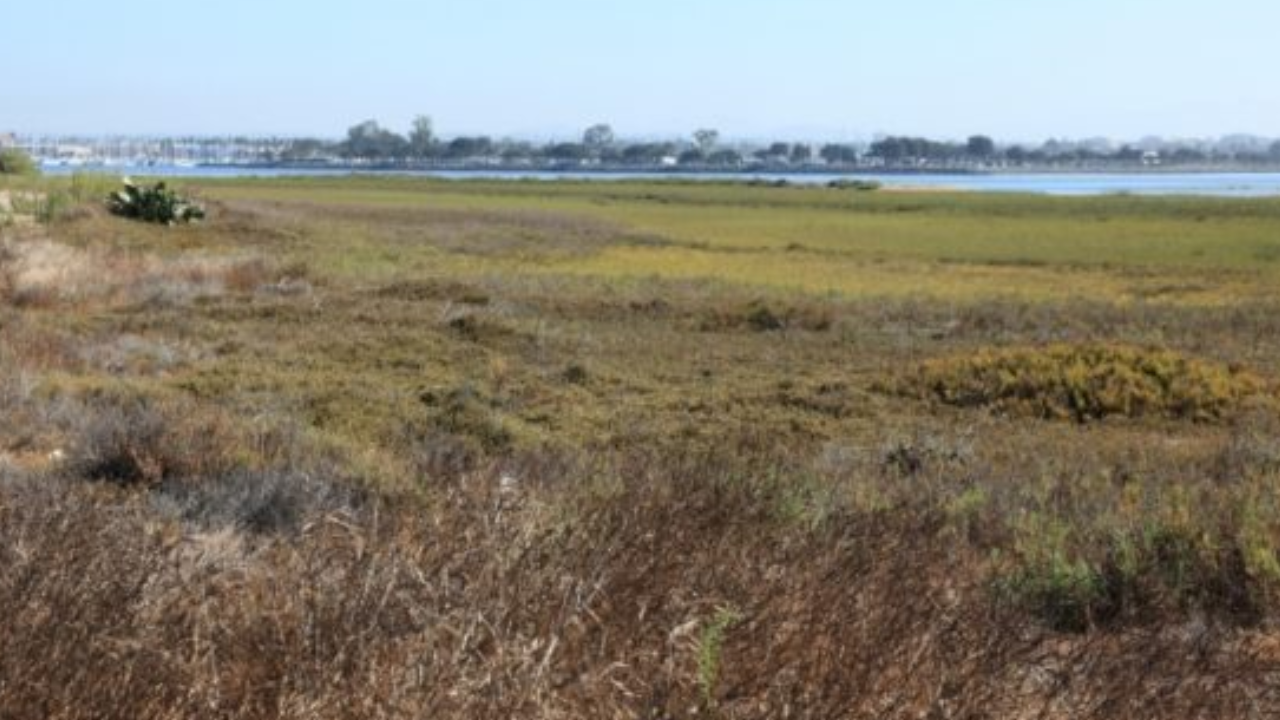
The mechanics of the disaster itself point to the harrowing realities of flight operations in challenging terrain. Witnesses near Igbokoda reported hearing a sound resembling a thunder strike before the aircraft entered a steep descent, clearing a fringe of trees before impacting the water and sinking into the swamp. Air traffic controllers lost contact at precisely 09:13 local time. In regions where radar coverage is patchy and search-and-rescue infrastructure relies on canoes and rudimentary river navigation before heavy amphibious equipment can be dragged to the scene, every minute lost compounds the tragedy. While the Nigerian Navy and local emergency responders mobilized quickly, the physical geography of the crash site turned recovery into a grueling, multi-week ordeal that required specialized sonar equipment just to locate the fragmented wreckage on the riverbed.
The political aftermath has predictably centered on legislative calls for a comprehensive audit of military hardware. Lawmakers in Abuja have demanded answers regarding the airworthiness standards of aging transport planes and helicopters used routinely to shuttle both military personnel and civilians. Yet, historical precedent suggests that these parliamentary probes often lose momentum once public outrage fades. The fundamental tension remains unresolved: how can a military engaged in simultaneous internal security operations across dozens of states maintain the luxury of grounding aircraft for mandatory, extensive servicing without crippling its own tactical mobility?
Until defense authorities overhaul the procurement pipeline and prioritize transparent, independent safety oversight over operational expediency, military aviation in the region will continue to flirt with disaster. The recovery of the flight recorders offers a technical path toward discovering the precise mechanical or human factors that silenced NAF 931, but the broader institutional failure requires far more than a black-box readout to fix.
[A detailed look at the incident is available in this ATR-42 crash report covering the aftermath and search operations in Ondo State.]