An indefinite curfew clamps down on the southern plains of Nepal, transforming bustling border crossings into silent, militarized zones. Prime Minister Shah has expressed grief over the escalating violence that triggered these drastic measures, yet expressions of sorrow fail to feed families stranded on both sides of an artificially divided frontier. The districts bordering India find themselves locked in a security gridlock, trapping daily wage laborers, traders, and families in a humanitarian holding pattern. This is not merely a localized law enforcement action. It is the visible rupture of a complex geopolitical and socio-economic equilibrium that has held fragile sway for decades.
The Powder Keg at the Southern Gate
Geographical proximity to India dictates the economic pulse of Nepal’s Terai region. Open borders have historically allowed seamless movement for commerce, marriage, and labor. When violence erupts here, the shockwaves register instantly in Kathmandu and New Delhi alike.
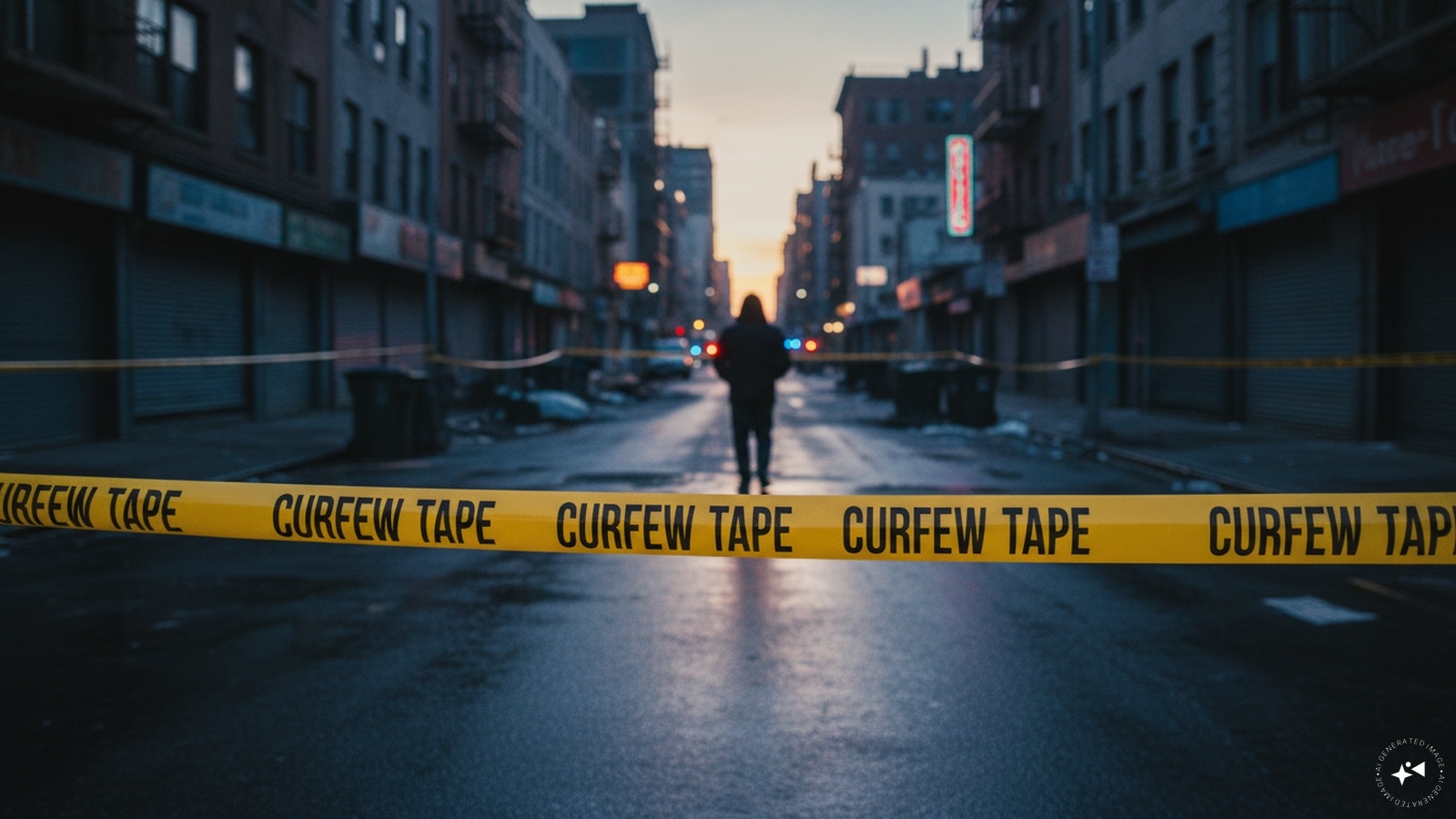
Security forces patrol deserted streets with rifles drawn, enforcing restrictions that paralyze local markets. Motorbikes sit idle. Shops remain shuttered behind corrugated iron shutters. The immediate trigger for the curfew involves clashes between rival political factions and security personnel protesting contested municipal policies. However, the deeper grievance stems from chronic economic marginalization.
Decades of central government neglect have left the Terai feeling like an internal colony. While fertile plains generate a substantial portion of the national GDP, infrastructure development consistently lags behind the hill and mountain districts. Frustration builds quietly beneath the surface until a single spark ignites widespread unrest. State response invariably defaults to force. Bullet wounds replace dialogue. Curfews replace policy reform.
Prime Minister Shah’s public statements emphasize national unity and law enforcement restraint. Critics point out that appeals for calm ring hollow when paired with live ammunition and shoot-on-sight orders. The administration faces a severe credibility deficit. Every curfew extension widens the chasm between the state and its marginalized citizenry.
Cross-Border Commerce Paralyzed
Trade arteries linking Uttar Pradesh and Bihar to Nepali markets have slowed to a crawl. Heavy cargo trucks laden with petroleum, medicine, and foodstuffs sit stranded in serpentine lines stretching kilometers deep into Indian territory. Customs checkpoints are ghost towns guarded by nervous border police.
The economic cost of this paralysis scales exponentially with every passing hour. Small-scale traders who rely on daily cross-border arbitrage face total ruin. Prices for essential commodities inside Nepal are surging due to artificial scarcity engineered by the blockade-like conditions of the curfew.
"We cannot cross to buy medicine, and the police will not let us open our shops," says Ramesh Gupta, a grain merchant in Bhairahawa. "The government talks about maintaining order, but order without commerce is just starvation."
This sentiment echoes across every border district currently under lockdown. The open border policy, celebrated during times of peace as a symbol of eternal friendship, becomes a liability during moments of civil unrest. Intelligence agencies from both nations monitor the situation closely, fearing that criminal networks and extremist elements will exploit the security vacuum.
The Historical Echo of Marginalization
Understanding the current unrest requires looking past immediate police reports. The relationship between Kathmandu and the Madhesi population of the southern plains has been fraught since the formulation of the modern Nepali state. Cultural identity, language rights, and proportional political representation remain contested battlegrounds.
Constitutional reforms enacted in recent years promised devolution of power. Implementation has proven sluggish and contentious. Madhesi political leaders argue that federal boundaries were drawn to dilute their voting strength. Protests frequently erupt when marginalized groups perceive bad faith from ruling elites in the capital.
State authorities view regional agitation through a security lens rather than a political one. When protests turn violent, security apparatuses deploy containment tactics designed to crush dissent rather than address root grievances. This cycle repeats with predictable tragedy. Lives are lost, property is destroyed, curfews are imposed, and temporary truces are struck without resolving fundamental structural inequalities.
Geopolitical Undertones and Regional Anxiety
New Delhi watches the turmoil with growing unease. India shares an open, porous border with Nepal, making internal instability in the Terai a direct national security concern. Refugee influxes, disruption of supply chains, and potential radicalization of disaffected youth present tangible risks for Indian border states.
Diplomatic channels hum with quiet urgency. Indian officials press their Nepali counterparts for a political resolution, urging restraint and inclusive dialogue. Yet, Kathmandu remains sensitive to perceived foreign interference. Nationalistic rhetoric often flares up during crises, deflecting domestic policy failures onto external scapegoats.
Balancing national sovereignty with regional interdependence is a delicate diplomatic tightrope. Prime Minister Shah must navigate fierce domestic political pressures while reassuring a wary southern neighbor that trade routes will remain secure and accessible over the long term.
The Human Toll Behind the Barricades
Statistics regarding curfew violations and police deployments obscure the human reality on the ground. Pregnant women unable to reach hospitals, students missing university entrance examinations, and farmers barred from harvesting their ripening crops bear the true cost of administrative paralysis.
Hospitals in border towns report running critically low on oxygen cylinders and trauma supplies as ambulance movement is severely restricted. Civil society organizations attempt to deliver aid clandestinely, risking arrest to bring food to stranded migrant workers caught on the wrong side of the border when the lockdown was announced.
Fear permeates daily life. Neighbors eye each other with suspicion, wondering who might inform on whom. Trust in public institutions has eroded to near zero.
As night falls over the darkened plains, the only sounds are the heavy boots of patrol units echoing down empty alleys and the distant wail of sirens reminding residents that the state's grip remains tight, unyielding, and profoundly contested.