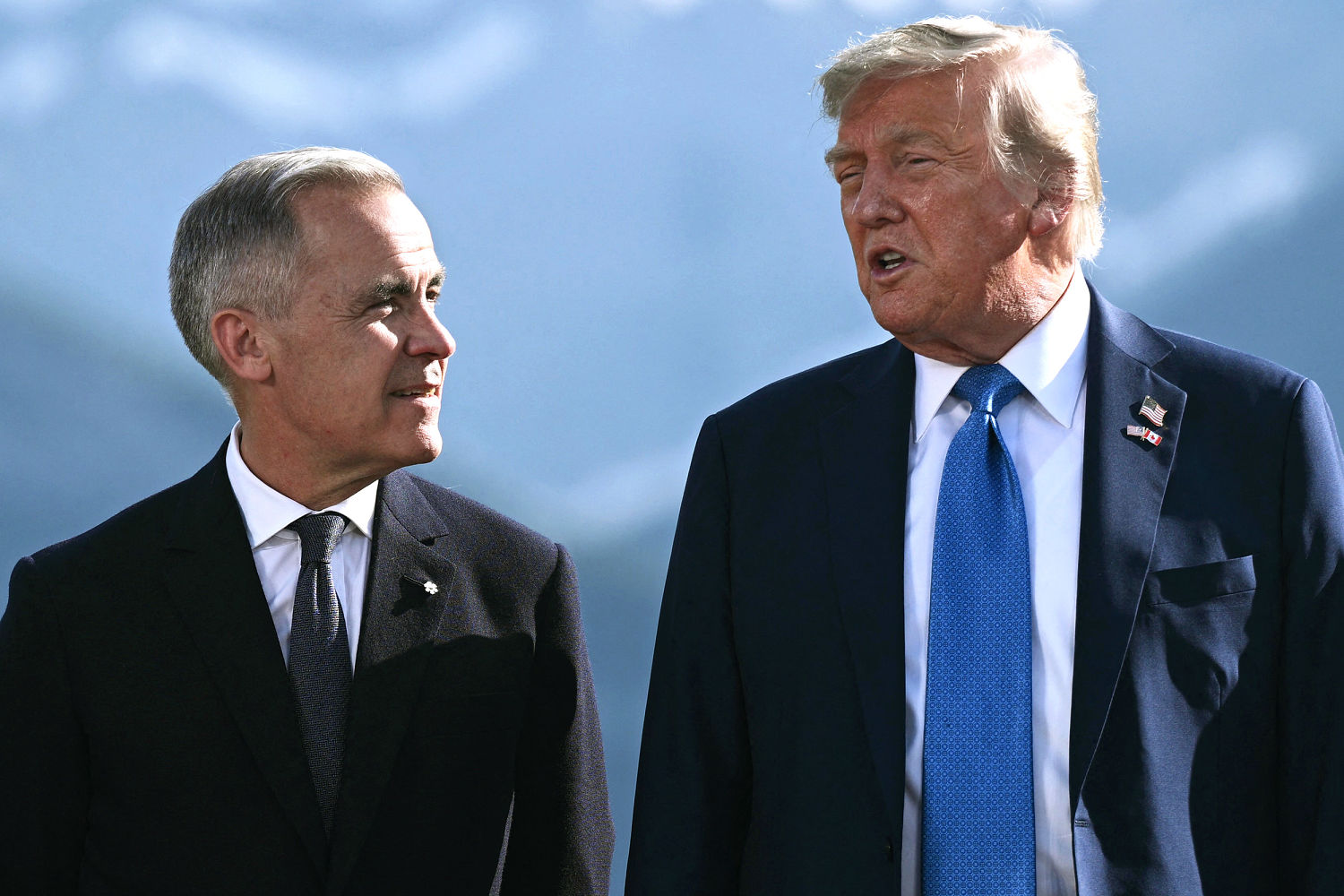
Canada announced nearly twenty billion dollars in retaliatory duties against American imports, matching Washington's aggressive fifty percent tariffs on Canadian steel, aluminum, and manufactured goods. Prime Minister Mark Carney framed the escalation not merely as a commercial dispute, but as a direct assault on national sovereignty following the abrupt collapse of bilateral negotiations. The countermeasures, set to take effect immediately after Labor Day, target over seven hundred American products ranging from industrial steel to everyday consumer goods like electronics, appliances, and paper products. This tit-for-tat spiral dismantles the foundational architecture of cross-border commerce that has bound the two economies together for generations.
The Anatomy of a Breakdown
Diplomatic channels did not simply fray; they shattered under the weight of incompatible economic visions. Days before the collapse, trade delegations on both sides hinted at a potential compromise regarding automotive components and raw metals. Yet, those optimistic projections dissolved behind closed doors as the White House introduced sweeping structural demands. According to senior Canadian officials, American negotiators insisted on clauses that would effectively restrict Ottawa from pursuing independent trade pacts with other global partners, while simultaneously watering down domestic protections for Canadian culture and manufacturing.
For Ottawa, crossing that line meant accepting subordinate status within an integrated continental market. Carney walked away from the table, declaring that the United States administration ultimately sought to dismantle core pillars of Canadian heavy industry rather than reach a mutually beneficial accord. Washington countered that Canadian leadership refused to offer adequate concessions on long-standing sore spots like dairy quotas and lumber access, preferring protectionist comfort over modernization.
The resulting fifty percent American tariff on twenty billion dollars of Canadian shipments bypassed traditional legislative oversight by utilizing rare executive authorities under Section 338, which requires no preliminary economic investigation. In response, Canada retaliated with a mirrored rate-for-rate strategy, targeting American industrial sectors carefully chosen to maximize political friction while shielding the most vulnerable domestic consumers where possible.
Beyond the Steel Mills
While steel and aluminum dominate the headline figures, the retaliatory crosshairs extend far beyond heavy industry. More than seven hundred distinct product categories face duties of fifteen, twenty-five, or fifty percent. American appliance manufacturers, agricultural equipment producers, and specialized electronics exporters now face prohibitive cost barriers at the northern border. Even consumer items such as certain cheeses, seafood, clothing, and cosmetics are swept into the ledger.
Consider a hypothetical commercial kitchen supply chain operating in the Midwest. A manufacturer shipping commercial refrigeration units and stainless steel prep tables northward now confronts a twenty-five percent price penalty upon entry into Canadian distribution networks. To preserve margins, the exporter must either absorb the deficit, renegotiate supply contracts, or watch Canadian buyers pivot toward domestic or European alternatives. Multiply this friction across thousands of small and medium-sized enterprises, and the cumulative drag on cross-border supply chains becomes severe.
To cushion the blow, Ottawa unveiled a multi-billion-dollar domestic support package totaling seven and a half billion Canadian dollars. This funding aims to inject liquidity into cash-strapped firms, protect displaced workers, and stabilize industrial sectors caught in the crossfire. Yet, government subsidies serve as a temporary tourniquet, not a permanent cure for structural market bifurcation.
The Cost of Economic Nationalism
Trade wars rarely produce clean victories. Decades of optimized supply chain integration across the automotive, aerospace, and energy sectors mean that manufacturers on both sides of the border rely heavily on components crossing the boundary multiple times before final assembly. Imposing steep taxes on these inputs acts as an internal tax on domestic producers, raising production costs and ultimately fueling persistent inflation for everyday consumers.
American trade representatives maintain that such heavy-handed measures are necessary to repatriate manufacturing capacity and correct enduring trade imbalances. Critics, however, argue that treating a deeply integrated neighbor like an economic adversary creates permanent scars. Trust, once eroded by threats of annexation rhetoric and punitive executive orders, cannot be easily rebuilt through subsequent trade agreements.
As September approaches and the new tariff schedules activate, businesses are scrambling to restructure multi-decade logistics networks. Corporations are accelerating inventory stockpiling, exploring alternative international sourcing hubs, and lobbying political figures for targeted exemptions. The border remains open, but the frictionless movement that defined North American commerce for generations is giving way to a rigid era of managed friction and economic nationalism.