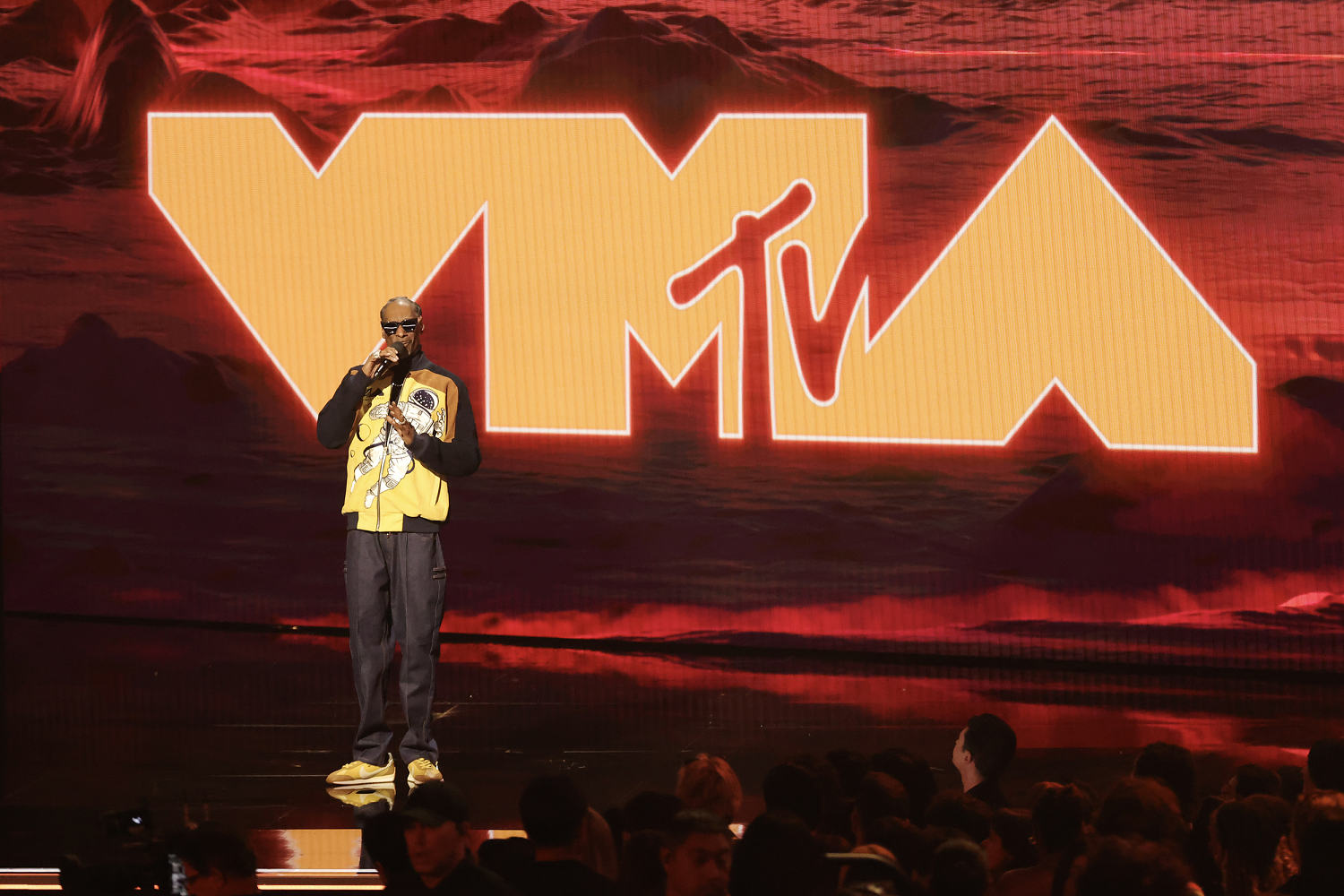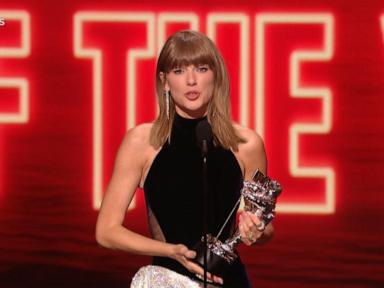
Pop music is a discipline that eats its elders with terrifying efficiency. For decades, the machinery of television awards shows functioned on a simple, cruel contract: aging icons were wheeled out as nostalgic window dressing, expected to hand over trophies to the morning's flavor-of-the-month before retreating into the quiet comfort of their back catalogs. Then came the 2026 MTV Video Music Awards, an evening that quietly dismantled that whole hierarchy. When the dust settled on the stage, Madonna had walked away with a dominant seven wins, while Taylor Swift cemented her status as an institutional force by securing the night's premier honor for her work on "The Fate of Ophelia".
This was not just another routine award ceremony tally. It was a visible friction point between two distinct eras of pop dominance, showing how the industry handles longevity when its biggest players refuse to age out or fade away.
The Anatomy of a Calculated Collision
The mainstream entertainment press spent the morning after the broadcast hyperventilating over the optics of the night. Headlines framed the convergence of Swift and Madonna as a sweet, hand-holding passing of the torch or a neat symmetrical milestone. That framing misses the mechanical reality of how modern pop power operates. Madonna does not take mentorship cues from anyone, and Swift has long since outgrown the traditional pop-star trajectory where women are commercially penalized once they cross into their mid-thirties.
When Madonna opened the ceremony with a high-intensity, physically uncompromising performance, she was not looking for validation from the younger seats in the house. She was making a fiscal and artistic statement about endurance. In an industry obsessed with disposable youth, maintaining a multi-decade career requires an aggressive refusal to yield ground. Swift, meanwhile, has mastered the art of vertical integration, treating her music videos not as mere promotional clips but as high-budget cinematic events that command the cultural conversation for months.
Behind the red-carpet smiles and the carefully curated social media clips lies a fierce competition for the absolute center of public attention. Pop music audiences love a rivalry, but the modern reality is far more complex: it is a co-existence of two titans who occupy entirely different stratospheres of influence. One built the blueprint for modern pop spectacle, turning controversy and reinvention into an art form; the other perfected the direct-to-consumer emotional bond, turning songwriting into an airtight community.
Why the Traditional Awards Formula is Breaking Down
For years, televised music awards faced an existential ratings crisis because they tried to mimic internet culture instead of doing what they do best: creating high-stakes, unscripted cultural friction. The 2026 ceremony worked because it abandoned safe, middle-of-the-road programming. Instead, it leaned into the raw weight of legacy acts sharing space with contemporary streaming giants.
Consider the logistical reality of booking these arenas. Networks desperately need the social media metrics that artists like Swift or international stars command. Yet, they also need the institutional gravity that only artists with thirty-plus years of history can provide. When a legacy act dominates the winner's circle while contemporary powerhouses collect the top artistic accolades, it creates a strange tension. It proves that the audience is splitting into factions. Younger demographics live entirely within niche digital communities, while mass-market television viewers still crave the old-school spectacle of a shared cultural moment.
The video above captures the scale of the live staging that defined the evening. But beneath the choreography and the flashing lights, the economics tell a harsher story. Record labels and streaming platforms pump millions into manufacturing the next big breakout, yet the cultural needle barely moves unless an established giant does something unexpected. The 2026 VMAs demonstrated that the old guard is not going quietly into the night. They are adapting their touring models, restructuring their catalog ownership, and treating prime-time television appearances as masterclasses in brand preservation.
The Real Cost of Perpetual Reinvention
To understand why these moments matter, one must look at the brutal attrition rate of modern pop stardom. Most artists flame out within five years because the current release cycle burns through creative output faster than human psychology can sustain. Swift’s historic run and Madonna’s continued dominance are anomalies precisely because they treat their careers as marathon enterprises rather than sprint races.
Yet, this longevity comes with a cost. When artists reach this tier of cultural ubiquity, every creative choice is over-analyzed, every public appearance is scrutinized for hidden meanings, and the margin for error shrinks to zero. The tension at events like the VMAs is born from this immense pressure. Nobody wants to be the one who finally looks tired, out of touch, or past their prime.
The industry pretends that everyone loves everyone, that the sisterhood of pop is an endless loop of mutual admiration. Anyone who has spent five minutes backstage knows better. It is a high-stakes boardroom disguised as a party. The triumph of these specific artists at this specific moment proves that audiences are no longer interested in manufactured humility. They want power, they want mastery, and above all, they want artists who refuse to apologize for taking up space.
As the television cameras cut away and the after-party reports faded, the fundamental hierarchy of the music business remained unaltered, only sharper, harder to ignore, and infinitely more expensive to challenge.