Millions of birds face heightened exposure this winter as federal poultry vaccination plans remain stalled amid friction over Health and Human Services Secretary Robert F. Kennedy Jr.’s anti-vaccine posture. When wild waterfowl move south in colder months, highly pathogenic avian influenza tends to surge across commercial barns, and leaving vaccination off the table leaves producers heavily reliant on biosecurity and depopulation.
Anyone who has covered agricultural supply chains long enough knows that bird flu rarely stays confined to a single county or a single barn. It travels on boots, feed trucks, wild geese, and bad timing. This autumn, the timing looks particularly unforgiving. Outbreaks have continued to hit commercial flocks even as USDA leadership has held back a comprehensive poultry vaccination strategy, creating a tension between public health ideology, export economics, and basic flock survival.
How Cabinet Politics Collided With Flock Defense
Vaccinating poultry against highly pathogenic avian influenza has never been a simple button to push in Washington. Even before the current political clash, agricultural officials moved cautiously because many trading partners restrict imports from countries that vaccinate commercial birds out of concern that vaccination might mask active viral circulation.
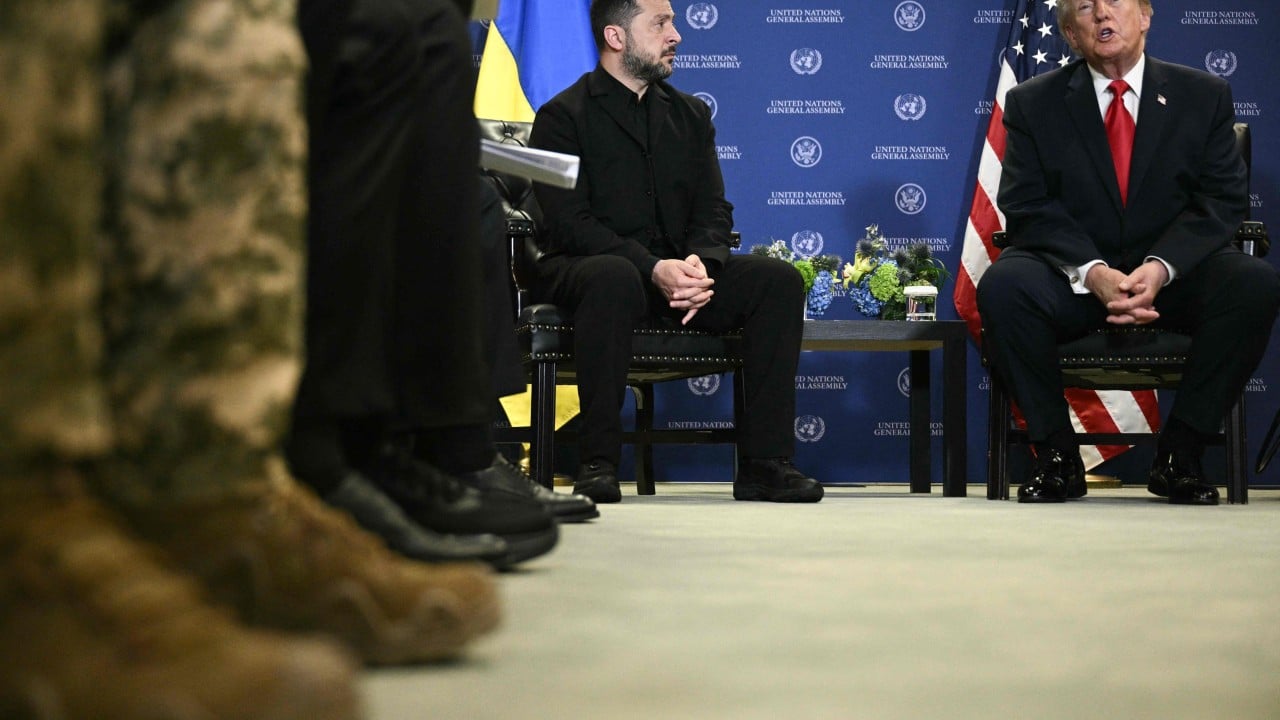
That long-standing trade debate collided this year with a newer political calculation. Reporting indicates that Agriculture Secretary Brooke Rollins weighed how a poultry inoculation plan would sit alongside Kennedy’s well-documented skepticism of vaccines and the broader Make America Healthy Again agenda. In public hearings, Rollins has maintained that the department was studying vaccination carefully and faced no pressure from Cabinet colleagues not to vaccinate, yet the practical result is the same. A stalled rollout means no ready-to-deploy shield as winter migration peaks.
Critics across party lines have pointed out that hesitation carries its own momentum. A former USDA animal health official noted that delaying vaccine preparation or rollout effectively functions as a decision against vaccination, given how long manufacturing, licensing, and international negotiations take. Lawmakers from farm states have likewise warned that losing millions of birds keeps upward pressure on egg and poultry prices.
Why Winter Shifts the Odds Against Biosecurity
Biosecurity is the backbone of modern poultry management. Double-gated perimeters, vehicle wash stations, shower-in facilities, and strict movement logs stop a massive share of potential introductions.
Winter pushes those defenses to their limit. Cold air helps influenza viruses survive longer in the environment, while migrating waterfowl concentrate in wetlands and flyways near agricultural corridors. A single breach—a stray piece of contaminated equipment, a rodent slipping past bait lines, or a brief lapse during flock transfer—can ignite a rapid die-off inside a high-density house.
Once a high-path strain takes hold in a commercial barn, mortality climbs fast and stamping out the virus usually means depopulating the affected flock. That protects neighboring farms and keeps the broader food supply clean, but it is brutal on farmers, rural processors, and household grocery budgets.
The Split Inside the Poultry Barn
Walk past the headlines and you will find that the poultry sector is not reading from a single script. Egg producers and broiler companies face very different risk math when it comes to poultry vaccination.
- Egg layers live longer than meat birds, giving them a wider window of exposure across seasons and making flock replacement costly when barns are wiped out. Many egg operators have pushed for access to vaccination as another layer of defense.
- Broiler chicken producers operate on shorter production cycles and rely heavily on international export markets. A trade dispute over vaccinated flocks can hit export margins quickly, making meat producers far more wary of changing the status quo.
- Small and backyard flocks often lack commercial-grade biosecurity infrastructure, creating pockets where the virus can flare up and test local containment efforts.
Even among animal health specialists, vaccination is not a magic wand. Poorly matched vaccines or incomplete coverage can complicate surveillance if officials cannot easily distinguish vaccinated birds from infected ones. That technical hurdle is real, and pretending otherwise weakens the argument for inoculation. Still, leaving the tool on the shelf indefinitely leaves farms exposed to recurring waves of infection.
What Farmers and Buyers Should Watch This Winter
For anyone trying to read where this goes over the next few months, the clearest signals will come from outbreak counts, trade posture, and agency follow-through rather than speeches.
- Watch regional outbreak clusters in major egg- and turkey-producing states as temperatures drop and migratory activity intensifies.
- Track whether the USDA publishes concrete criteria for targeted vaccination—such as protecting high-value breeding stock or high-risk layer zones—or keeps the plan in indefinite review.
- Monitor wholesale egg and poultry wholesale quotes, which often react weeks before retail shelves show the full squeeze.
When ideology and export anxiety freeze policy in place, the biological clock keeps running. Winter does not wait for Washington to settle its internal disagreements, and every flock lost this season makes the next outbreak harder to absorb.