Quiet mornings in historic neighborhoods can shatter in an instant. When local authorities locked down a residential street in the historic Saint-Jean-Baptiste district, residents knew something terrible had happened.
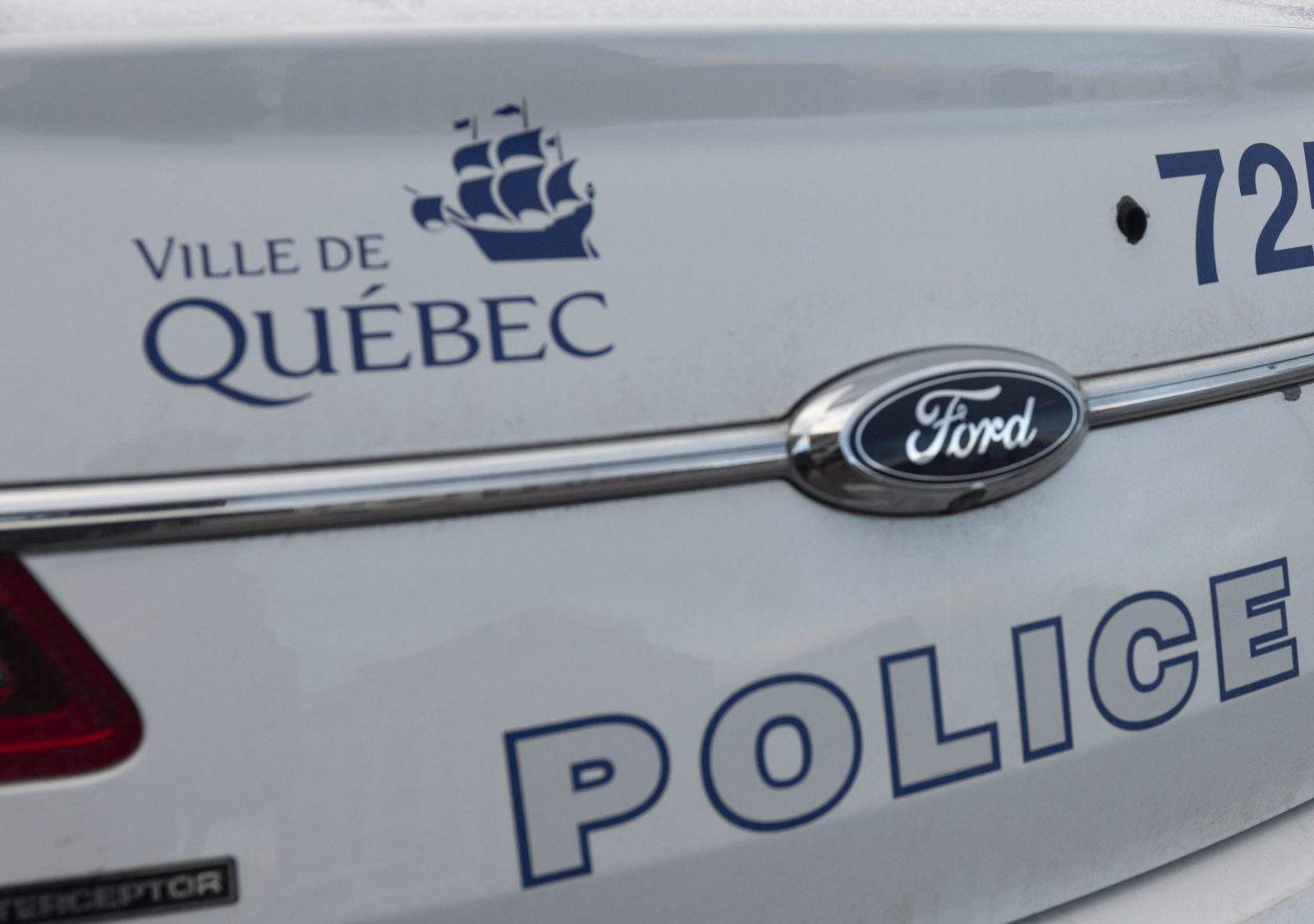
Quebec City police officially classified the death of twenty-one-year-old Gabriel-Simon Akokane as a homicide. What started as a suspicious death inquiry inside a St-Gabriel Street residence quickly escalated into a full-scale murder investigation led by the Service de police de la Ville de Québec (SPVQ).
How the Investigation Unfolded
Officers arrived at the home just before noon following a targeted search linked to an urban violence unit operation. Inside the residence, they discovered Akokane's body. He was pronounced dead at the scene, bearing visible physical trauma.
Police spokesperson Sandra Dion confirmed that evidence gathered by forensic teams shifted the initial classification from suspicious to a targeted homicide. Because the investigation remains active, authorities initially withheld specific details regarding the exact cause of death and the nature of the injuries.
To gather vital clues, investigators deployed a mobile command post directly to the neighborhood
What the Quebec City Police Homicide Investigation Means for the City
news
Violent crime shakes up safe communities fast. When a quiet neighborhood suddenly becomes the center of a major police investigation, people panic. They look for answers. They want to know what happened, who is safe, and what authorities are doing.
The Quebec City police department launched a high-profile homicide investigation following the tragic death of a 21-year-old man. This case quickly escalated from a suspicious death call into a full-scale murder inquiry as investigators combed through evidence and appealed to the public for tips.
Let's look at what actually happens behind the scenes during these initial hours and why these investigations matter for public safety.
Inside a Major Homicide Investigation
Time matters. The first forty-eight hours of a murder investigation dictate whether authorities catch a suspect quickly or face a cold case. When Quebec City police arrived at the scene, detectives immediately secured the perimeter. They preserved forensic evidence, looked for security camera footage, and interviewed nearby witnesses.
Homicide detectives don't work in a vacuum. They rely on a synchronized response team that includes forensic identification technicians, crown prosecutors, and specialized crime analysts.
- Securing physical evidence like DNA, fingerprints, and digital footprints.
- Canvassing neighborhoods for doorbell camera or dashcam footage.
- Conducting background checks and mapping out the victim's final known movements.
Most people don't realize how much digital evidence drives modern murder investigations. Cell phone tower data, encrypted messaging apps, and public Wi-Fi logs tell a story long before autopsy results clear the lab.
The Reality of Crime Rates in Quebec City
Quebec City generally enjoys a reputation as one of Canada's safest large municipalities. Violent crime rates remain low compared to major metropolitan hubs across North America. Because homicides happen less frequently here, every single incident hits the community hard. It shatters the illusion of absolute immunity.
However, a low crime rate doesn't mean zero crime. Gang dynamics, drug disputes, domestic conflicts, and random altercations still happen. When a young person loses their life, it sparks tough conversations about local safety, mental health resources, and youth violence prevention.
Police rarely release every detail right away. They hold back sensitive information to protect the integrity of the investigation and avoid tipping off potential suspects. This silence often frustrates residents and media outlets alike, but transparency must take a backseat to building an airtight legal case.
How the Public Helps Solve Cases
Authorities rely heavily on civilian cooperation. If you were near the scene of the incident or noticed anything unusual, your dashcam or memory could be the missing piece of the puzzle.
Police tip lines exist for a reason. You don't need to be a hundred percent sure about what you saw. Investigators sort through hundreds of leads to find the signal in the noise.
If you have information regarding this Quebec City homicide case, contact the Service de police de la Ville de Québec (SPVQ) immediately through their confidential line at 418-641-AGIR (2447). Anonymous tips save lives and help bring closure to grieving families. Stay vigilant, support local safety initiatives, and let law enforcement do their job.


