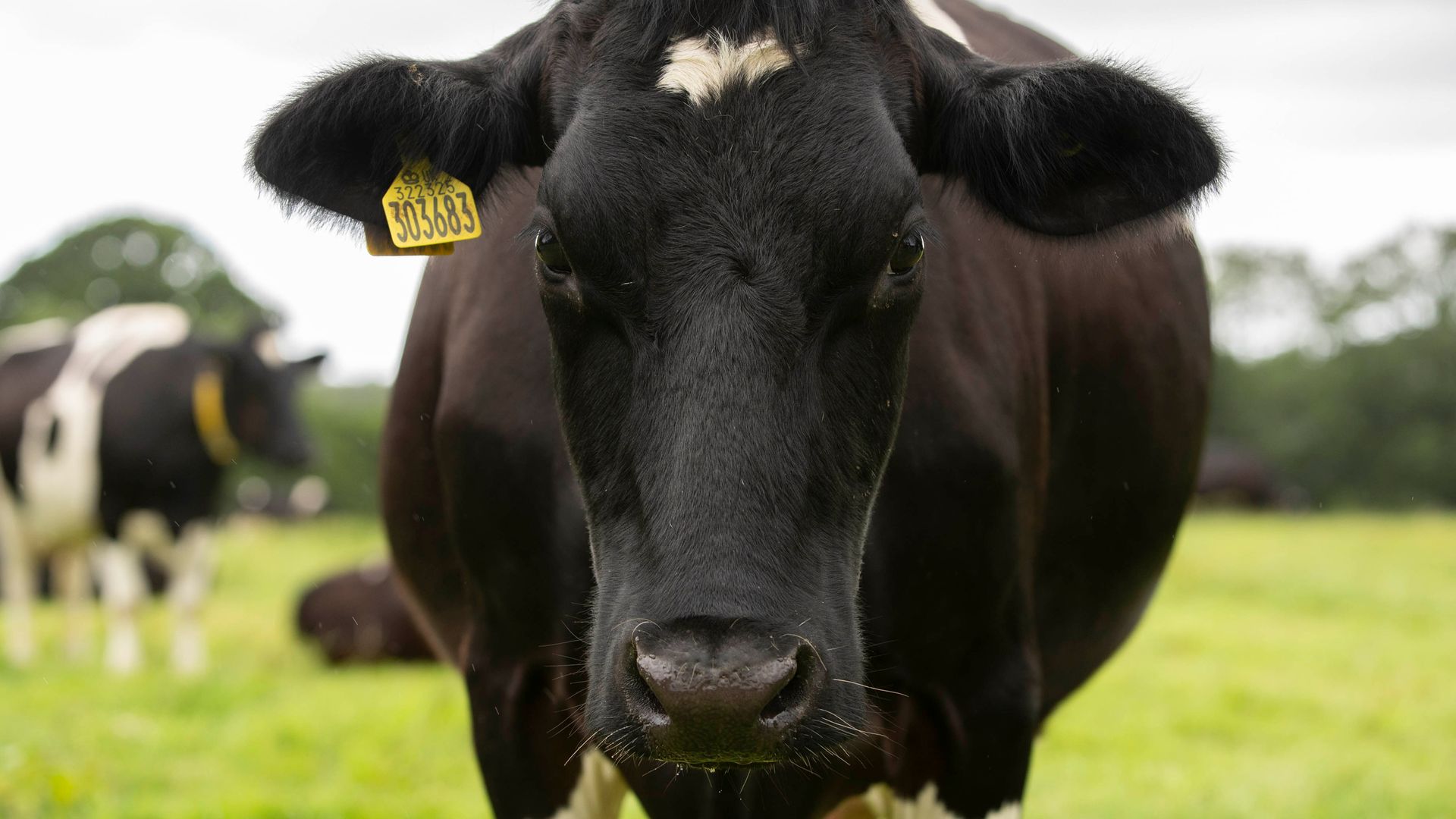
Another case of classical bovine spongiform encephalopathy has surfaced on a farm in Dumfries and Galloway, shaking the quiet confidence of the British livestock industry. When the Animal and Plant Health Agency confirmed the infection via routine surveillance protocols, the immediate administrative reflex was damage control. Officials rushed to emphasize that the animal never breached the human food chain and that public safety remains intact. Yet beneath the predictable reassurances lies a more complex biological reality. Prion diseases do not negotiate, and every single appearance of classical BSE forces veterinary scientists to ask uncomfortable questions about long incubation windows and environmental persistence.
The Long Shadow of Prion Mechanics
To understand why a single positive test in southern Scotland commands urgent attention, one must look past the bureaucratic language and examine the pathogen itself. Classical bovine spongiform encephalopathy is caused by a misfolded protein known as a prion. Unlike bacteria or viruses, prions contain no genetic material to target with drugs. They propagate by forcing normal proteins in the central nervous system to adopt their aberrant shape, slowly turning brain tissue into a microscopic sponge.
The incubation period is notoriously protracted. An animal infected today might show zero clinical signs for years. By the time the cow becomes recumbent, uncoordinated, or aggressive, the damage to the central nervous system is absolute. This delayed fuse creates a massive blind spot for agricultural producers. An infected bovine can move through multiple herds, change ownership, or produce several calves before a single symptom manifests.
Strict feed bans implemented decades ago successfully choked off the major transmission vectors that fueled the historic British outbreaks. Meat and bone meal fed to ruminants was outlawed for a reason. Yet classical cases still materialize with frustrating irregularity. Veterinary epidemiologists point to rare sporadic occurrences or historical feed contamination locked away in the environment as potential culprits. Prions bind tightly to soil minerals and can remain infectious in the dirt for years, resisting extreme heat, ultraviolet radiation, and standard chemical disinfectants.
Behind the Surveillance Protocol
When a fallen stock animal over the age of four dies on a farm in Scotland, protocol dictates mandatory testing. This rigid safety net is precisely how the Dumfries and Galloway case was caught. Critics often view these isolated detections as failures of containment. The inverse is true. Catching a sporadic case of classical BSE in a single breeding cow proves that the surveillance apparatus functions exactly as intended.
A passive system relies on farmers noticing advanced neurological decline and reporting it voluntarily. An active system tests everything that fits the epidemiological risk profile. Scotland operates the latter. When the positive result came back, movement restrictions dropped onto the farm instantly. Cohorts and direct offspring born within critical windows face tracing, isolation, and humane destruction. It is a brutal process for individual producers, but administrative mercy is a luxury the agricultural sector cannot afford when dealing with transmissible spongiform encephalopathies.
The economic fallout, however, extends far beyond the immediate culling orders. International trade agreements hang on a knife-edge. The United Kingdom spent years clawing its way back to a negligible risk status for BSE, a designation that unlocks lucrative export markets. Every isolated domestic detection triggers nervous glances from trade partners across the globe. Regulatory bodies must prove that a single animal does not indicate a systemic breakdown in biosecurity.
The Reality of Eradication Limits
Total eradication of a pathogen with environmental reservoirs is a scientific fantasy. Prions are stubborn survivors. As long as cattle live in contact with soils that may have historical contamination or consume commercial feeds with minuscule, untraceable background anomalies, sporadic cases will occasionally breach the surface.
The primary danger is not the random appearance of an isolated case. The real threat is institutional fatigue. When years pass without major epizootics, compliance with feed bans, traceability databases, and fallen stock reporting can slip into procedural tick-box exercises. Farmers facing tightening margins may view biosecurity protocols as bureaucratic friction rather than existential insurance.
Protecting the food supply requires treating every single positive test not as a statistical anomaly to be brushed aside, but as a stress test for the entire national herd. The system caught the infection in Dumfries and Galloway before it could multiply its footprint. That is a victory for veterinary science, but it is also a stark reminder that the war against misfolded proteins has no permanent armistice