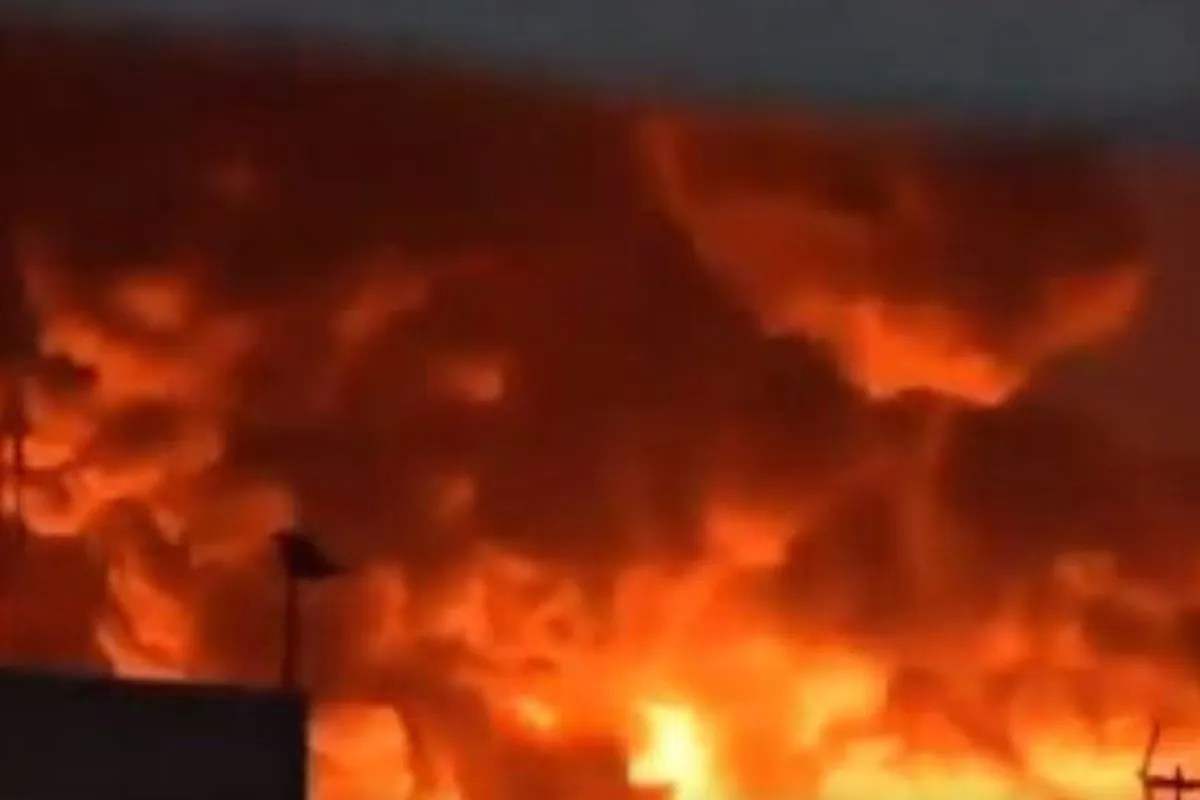
Joint military operations by United States and Saudi forces targeting Iran-backed militias inside Iraq signal a profound shift in regional power dynamics. This escalation moves past traditional diplomatic channels into direct kinetic engagement across contested urban sectors. Decades of proxy friction now manifest as overt airstrikes and coordinated ground containment strategies designed to sever supply lines running from Tehran through the fertile plains of Mesopotamia.
To understand why this flashpoint erupted now, one must look beyond the immediate cratered asphalt of militia compounds in central Iraq. The architecture of modern Middle Eastern conflict rests on logistical redundancy. When conventional state borders erode, paramilitary networks fill the vacuum, embedding themselves within local infrastructure.
The Anatomy of Shadow Logistics
For years, regional armed groups operated under a cloak of plausible deniability. Supply convoys traversed major highways disguised as commercial freight. Drone components, precision guidance systems, and financial transactions moved through a web of shell companies registered in commercial hubs across the Gulf and the Levant.
Observers often miss the mechanics of how these networks survive economic pressure. Sanctions imposed by Western governments forced these groups to diversify revenue streams. They absorbed local customs checkpoints, taxed domestic fuel distribution, and integrated into municipal contracting frameworks.
- Customs Infiltration: Militia members routinely staff border crossings, levying illegal tariffs on international cargo.
- Shadow Banking: Hawala networks replace traditional SWIFT transfers, moving millions in untraceable cash daily.
- Dual-Use Infrastructure: Warehouses designated for agricultural storage double as drone assembly bays.
When United States and Saudi assets coordinate kinetic responses against these nodes, the objective is disruption rather than total destruction. Total eradication remains an illusion in asymmetric warfare. Instead, commanders focus on driving up the operational cost of maintaining proxy corridors. Every destroyed cache or severed communication relay forces militia leadership to recalibrate their supply chains.
The Diplomatic Fallout in Riyadh and Washington
Policy formulation in foreign capitals rarely matches the brutal simplicity of battlefield reports. Riyadh approaches the security situation through an existential lens. Protecting domestic oil facilities and economic diversification zones under Vision 2030 requires neutralizing persistent airborne threats originating from Iraqi territory.
Washington navigates a different labyrinth. Protecting remaining service members stationed at joint bases requires a posture that deters escalation without triggering a wider regional conflagration. The calculus involves balancing domestic political exhaustion with treaty obligations to regional partners.
Concurrently, the Iraqi central government finds itself caught in an untenable squeeze. Baghdad must appease powerful domestic political factions affiliated with the very militias being targeted, while maintaining financial ties with Western institutions that fund the state budget. This delicate balancing act paralysis effective local governance.
The Cost of Ambiguity
Ambiguity breeds miscalculation. When multiple armed actors operate in a compressed geographic space with conflicting chains of command, the margin for error shrinks to zero. A stray projectile or misidentified convoy can alter the strategic landscape overnight.
Intelligence analysts tracking these movements note a distinct evolution in tactics. Paramilitary forces decentralized their command nodes. They abandoned large, easily identifiable bases in favor of mobile command units housed in civilian vehicles. This shift renders traditional aerial surveillance less effective, requiring human intelligence networks on the ground that face extreme risk of discovery.
The campaign unfolding across Iraqi provinces is not a temporary flare-up. It represents the chronic state of affairs in a fragmented security architecture where regional heavyweights vie for dominance using local proxies as instruments of statecraft.
Operations continue while diplomats draft communiques that few believe will alter the trajectory on the ground. The rumble of aircraft overhead remains the only constant metric of authority in a region where state sovereignty is continuously negotiated at gunpoint.