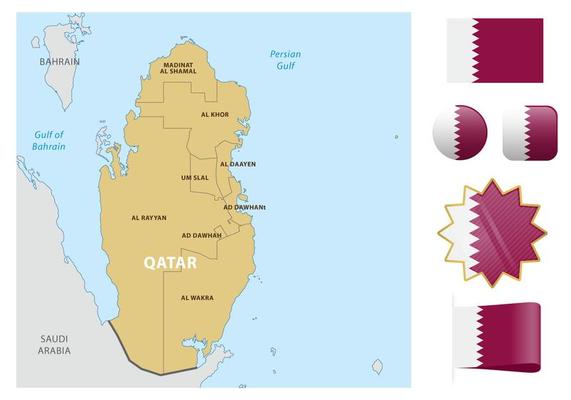
Washington and Tehran have quietly shifted from the brink of a major regional conflagration to a financial dance executed through intermediaries in Doha. The White House is moving forward with an intricate blueprint to grant Iran access to $6 billion in frozen assets currently sitting in Qatari banks. This arrangement, detailed in recent diplomatic maneuvers following a newly signed memorandum of understanding, serves as the opening financial gambit to ensure Iran complies with an interim peace pact.
While public attention remains fixed on naval movements and the fragile reopening of the Strait of Hormuz, the true architecture of this diplomatic thaw is entirely economic. The United States and Qatar are mapping out a highly restrictive mechanism that will allow the Central Bank of Iran to order food, medicine, and other humanitarian goods using money that was once locked away due to international sanctions. Yet beneath the veneer of humanitarian relief lies a hard-nosed transaction carefully calibrated to serve American domestic interests and secure a temporary freeze on Iran's nuclear enrichment.
This is not a simple gesture of goodwill. It is a calculated piece of statecraft designed by an administration that publicly maintains a posture of extreme pressure but privately recognizes that a broken economy cannot be forced to the negotiating table without an immediate incentive.
The Anatomy of the Doha Pipeline
The $6 billion in question has a convoluted history that exposes the volatile nature of international sanctions enforcement. Originally, this cash accumulated in South Korean banks as payment for Iranian crude oil exports. In September 2023, the money was transferred to Qatar as part of a high-profile prisoner exchange managed by the previous American administration. The funds were meant to remain strictly cordoned off for humanitarian use, but the political fallout from the October 7 attacks later that year prompted Washington to slam the vault shut before Tehran could spend a single cent.
Now, the vault is unlocking. Under the current proposal, the transaction structure is being radically rewritten. Instead of allowing Iran to choose its global suppliers, the current administration has dictated a strict buy-American clause. Qatar will act as the paymaster, directly purchasing U.S.-manufactured agricultural goods and medical supplies on behalf of Tehran.
Money will never touch Iranian hands. The entire ledger will be managed by international monitors and Qatari financial authorities, ensuring that every dollar drawn from the account corresponds directly to an authorized shipment of non-sanctioned goods originating from the American heartland.
This structure transforms an apparent foreign policy concession into a domestic economic benefit. By forcing Iran to use its own frozen cash to buy American products, the administration satisfies domestic agricultural lobbies while maintaining that it has not given Iran any direct financial windfall. Critics call it a dangerous compromise, but officials view it as a pragmatic method to drain Iran's foreign reserves into the pockets of American farmers.
The Secret Leverage in the Sixty Day Window
Time is the most critical element of this interim pact. The memorandum signed between Washington and Tehran establishes a strict 60-day window for final negotiations, an incredibly brief period to settle decades of hostility. The release of the Qatari funds will not happen all at once.
Phased distribution is the chosen strategy. Washington intends to dole out access to the $6 billion in small increments, tying each release of funds directly to verifiable steps taken by Iranian authorities on the ground.
If Iran fails to slow its uranium enrichment or disrupts commercial shipping lanes, the tap turns off instantly. Tehran is currently pushing for a much larger prize, demanding the immediate release of at least $24 billion from an estimated $100 billion in total assets frozen across India, Iraq, China, and Japan. The administration is using the Qatari funds as a trial run to see if Iran can stick to the rules before any larger pots of money are put on the table.
+--------------------------------------------------------------+
|                THE PROPOSED ASSET PIPELINE                   |
+--------------------------------------------------------------+
|                                                              |
|   [ Frozen Iranian Assets ] -> Deposited in Qatari Banks     |
|              │                                               |
|              ▼                                               |
|   [ Central Bank of Iran ] -> Submits Humanitarian Orders    |
|              │                                               |
|              ▼                                               |
|   [ Qatari Intermediaries ] -> Verifies & Clears Transactions|
|              │                                               |
|              ▼                                               |
|   [ U.S. Suppliers ] --------> Ships Food & Medicine to Iran |
|                                                              |
+--------------------------------------------------------------+
Internal Friction and the Battle in Tehran
The implementation of this financial pipeline has exposed deep rifts within both governments. In Tehran, the newly ascendant factions under Supreme Leader Mojtaba Khamenei face an incredibly difficult balancing act. They must deliver immediate economic relief to a population exhausted by years of inflation and currency devaluation, yet they cannot appear to be capitulating to western demands.
Hardliners in the Iranian parliament have already expressed anger over the buy-American provisions. They argue that accepting a deal where Washington dictates exactly which seeds and medicines can be purchased is an insult to national sovereignty.
President Masoud Pezeshkian has had to personally defend the agreement to the Supreme National Security Council, promising that the deal will safeguard the broader rights of the nation while throwing a lifeline to a struggling domestic market. The reality is that Iran's budget deficit has spiraled out of control during the recent months of heightened military readiness. They desperately need the money, even if it comes with humiliating strings attached.
Congressional Backlash and the Eighty Billion Dollar Question
In Washington, the political optics are equally treacherous. Lawmakers from both parties are furious that the administration is preparing to unfreeze billions for Iran at the exact same moment the Pentagon is quietly asking Congress for an emergency $80 billion appropriation to cover the military costs of recent operations in the region.
The contrast is stark. Capitol Hill is being asked to foot a massive bill for naval deployments, munitions replenishment, and troop tracking, while the White House is working behind the scenes to facilitate a multi-billion dollar trade deal for the adversary.
Several prominent senators have threatened to block future military funding unless the administration subjects the Qatari financial arrangement to a formal congressional vote. They argue that any release of funds provides indirect relief to Iran’s state budget, freeing up internal money that Tehran can then redirect toward its regional proxy networks. The administration’s defense relies on the strictness of the humanitarian audit, but in an election year, that technical argument faces an uphill battle against raw political rhetoric.
The Global Precedent for Frozen Cash
The ultimate success of the Doha plan will determine how international diplomacy handles frozen assets for the foreseeable future. Hundreds of billions of dollars in sovereign funds from various sanctioned nations are currently locked up in western institutions. If Qatar can successfully manage this complex transactional loop without the funds being diverted into illicit channels, it will provide a standardized template for future sanctions relief programs worldwide.
If the system fails, or if a single shipment is found to violate the strict non-sanctioned criteria, the entire US-Iran peace pact will instantly collapse. The stakes extend far beyond the borders of the Middle East, altering how major powers use global financial architecture as an alternative to direct military engagement. Washington is betting that the hunger of the Iranian market for basic goods will outweigh its geopolitical ambitions for long enough to secure a permanent nuclear freeze. Tehran is betting it can absorb the funds, stabilize its economy, and renegotiate from a position of renewed strength once the 60-day clock runs out.