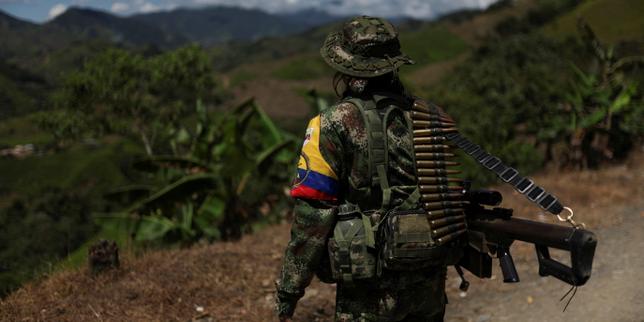
Illegal armed factions across Colombia are actively sweeping up minors through digital channels, using Meta and ByteDance platforms to turn standard smartphone algorithms into engines of war. Human Rights Watch documented roughly 1,500 cases of child recruitment since 2021, driven largely by dissident factions of the demobilized FARC. These groups bypass traditional rural intermediaries by broadcasting romanticized portrayals of combat life directly to the screens of vulnerable adolescents.
The mechanics of modern recruitment have shifted from the barrel of a gun to the glow of a mobile display. Armed actors no longer need to rely exclusively on midnight visits to remote villages or intimidation outside school gates. Instead, they publish targeted video clips on TikTok and Facebook featuring heavy bass lines, narcotic folklore ballads, wads of cash, and automatic weapons.
The Digital Architecture of Exploitation
Algorithms care about engagement, not ethics. When a teenager in a marginalized rural department lingers on a video showing tactical gear or stylized cartel culture, the recommendation engine responds by delivering more of the same.
Armed organizations have reverse-engineered this dynamic. They use specific emojis, coded audio tracks, and decentralized public chat forums to establish initial contact. A hypothetical example illustrates the pipeline: a minor interacts with a video showing young combatants flashing jewelry, enters a comment asking how to join, and receives a direct message offering a fake job with a steady salary.
The structural vulnerabilities are stark. Indigenous communities bear a disproportionate share of the devastation, accounting for nearly half of the documented victims despite representing a tiny fraction of the national population. Girls make up roughly forty percent of those absorbed into these ranks, facing acute threats of sexual violence alongside forced labor, intelligence gathering, and combat duties.
Corporate Defenses and Institutional Failures
Both Meta and ByteDance maintain strict rules against violent organizations and criminal networks. Representatives from these tech giants maintain that accounts flagged by researchers are promptly scrubbed and that detection protocols undergo continuous refinement.
Yet moderation at scale remains reactive. Automated systems struggle with regional slang, coded symbols, and localized music references used by factions operating in departments like Catatumbo or Cauca. By the time a violating post is reviewed and pulled down, the direct messages have already done their work, and a child has packed a bag to meet a recruiter at a prearranged roadside bus stop.
State institutions have proven equally ill-equipped to intercept the trend. Colombia's foundational prevention frameworks remain bottlenecked by chronic underfunding, absent local coordination, and a total lack of enforcement muscle in rural zones. When children do manage to escape or are recovered by community authorities like unarmed Indigenous guards, they often encounter a fragmented judicial apparatus. Minors fleeing non-political criminal cartels are routinely denied access to specialized victim protection programs, leaving them trapped between the threat of retaliation and the risk of criminal prosecution.
The convergence of corporate algorithmic indifference and state bureaucratic paralysis leaves rural youth exposed to an industrial-scale extraction process. Stopping this pipeline requires moving past superficial content moderation metrics and confronting the systemic poverty that makes a militant's false promise look like an only option