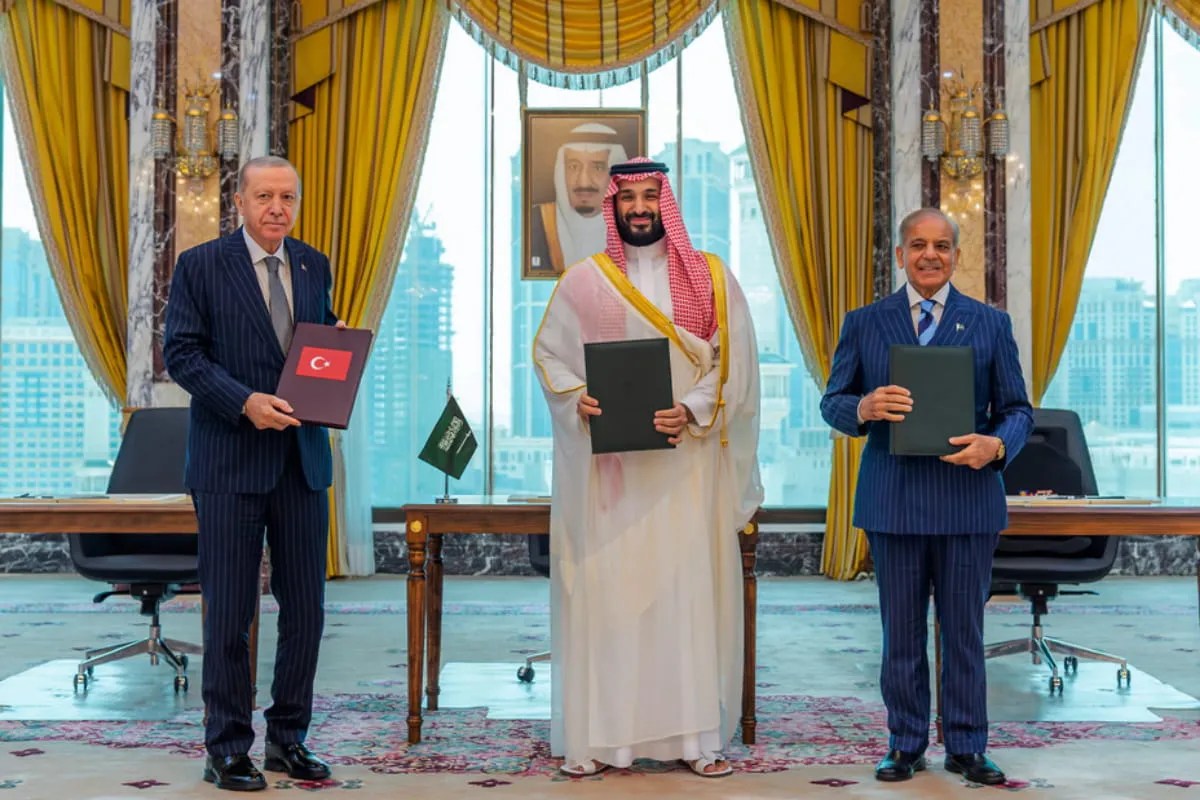
Geopolitical realignments don't happen quietly anymore. When Pakistan, Saudi Arabia, and Turkey finalized the Mecca Joint Defence Agreement, defense analysts immediately started drawing comparisons to NATO's collective security framework. But labels like "Islamic NATO" miss the point entirely. This alliance isn't about ideological posturing. It's a calculated, pragmatic response to a fracturing Middle East security architecture that left regional heavyweights scrambling for reliable partners.
With Turkey officially ratifying the treaty following its parliamentary approval, and high-stakes meetings scheduled in Islamabad, the mutual defense pact is moving past ink on paper and into active operational reality. If you want to understand why this trilateral axis matters right now, you have to look at what triggered it and how the signatories intend to use it.
Why the Mecca Defence Pact Was Born
The catalyst for this alliance wasn't a sudden burst of diplomatic warmth. It was acute vulnerability. Following a turbulent sequence of regional conflicts, including escalated flare-ups involving Saudi infrastructure and relentless Houthi drone and missile threats, Riyadh realized traditional Western security guarantees had unpredictable limits.
Saudi leadership needed hard power and technical depth that could integrate fast. Enter Pakistan, which brings a massive, battle-tested military apparatus, advanced aerospace components like JF-17 Thunder squadrons, and strategic deterrence capabilities. Turkey brings something equally critical: sophisticated indigenous defense manufacturing, elite drone technology, and high-end command-and-control infrastructure.
By tying their security apparatuses together under the Mecca agreement, these nations aren't waiting for external superpowers to rescue them from regional flashpoints. They are pooling resources to create an independent deterrent.
Moving from Signatures to Strategy
The upcoming apex security committee meetings in Islamabad are designed to solve the hardest part of any military coalition: turning political goodwill into operational coordination. Under the guidance of the alliance's permanent secretariat—currently headed by Pakistani retired Lieutenant General Numan Mahmud—the member states are tackling concrete integration hurdles.
You won't find vague diplomatic communiqués here. The architecture focuses on three operational pillars:
- Standardized Logistics and Supply Chains: Ensuring ammunition, spare parts, and tactical fuel supplies are cross-compatible between Turkish drone tech, Pakistani air assets, and Saudi ground installations.
- Intelligence Sharing: Establishing secure, real-time data channels to track regional asymmetric threats, particularly from militant proxies and ballistic missile vectors.
- Joint Defense Industrialization: Co-developing military hardware, reducing reliance on Western supply chains, and sharing manufacturing capabilities across borders.
The Regional Friction Points Nobody Mentions
Building a trilateral defense pact across vastly different geographic and political landscapes is messy. Turkey maintains complex ties with Western military frameworks and regional rivals, Pakistan navigates a delicate balancing act on its western border with Iran, and Saudi Arabia has been actively pursuing diplomatic de-escalation channels even while reinforcing its hard security.
When senior officials from the three member states visited Tehran in late October, it sent a clear message. The alliance is meant to deter aggression, not trap its members into endless regional wars. Yet, the ambiguity surrounding what triggers automatic collective defense under Article 5-style provisions leaves plenty of room for friction. Critics point out that without a unified, permanent joint command structure, rapid deployment in the heat of a crisis remains an untested theory.
What Happens Next on the Ground
The deployment of thousands of troops and tactical assets to the region proves that Saudi Arabia and its partners are serious about physical deterrence. As the Islamabad summit convenes, watch for announcements regarding joint military drills and standardized air defense integration.
The Mecca Defence Pact is rewriting the security playbook of South Asia and the Middle East. Whether it transforms into an effective regional shield or remains a high-level political safeguard depends entirely on how fast these militaries can bridge their operational gaps over the coming months.