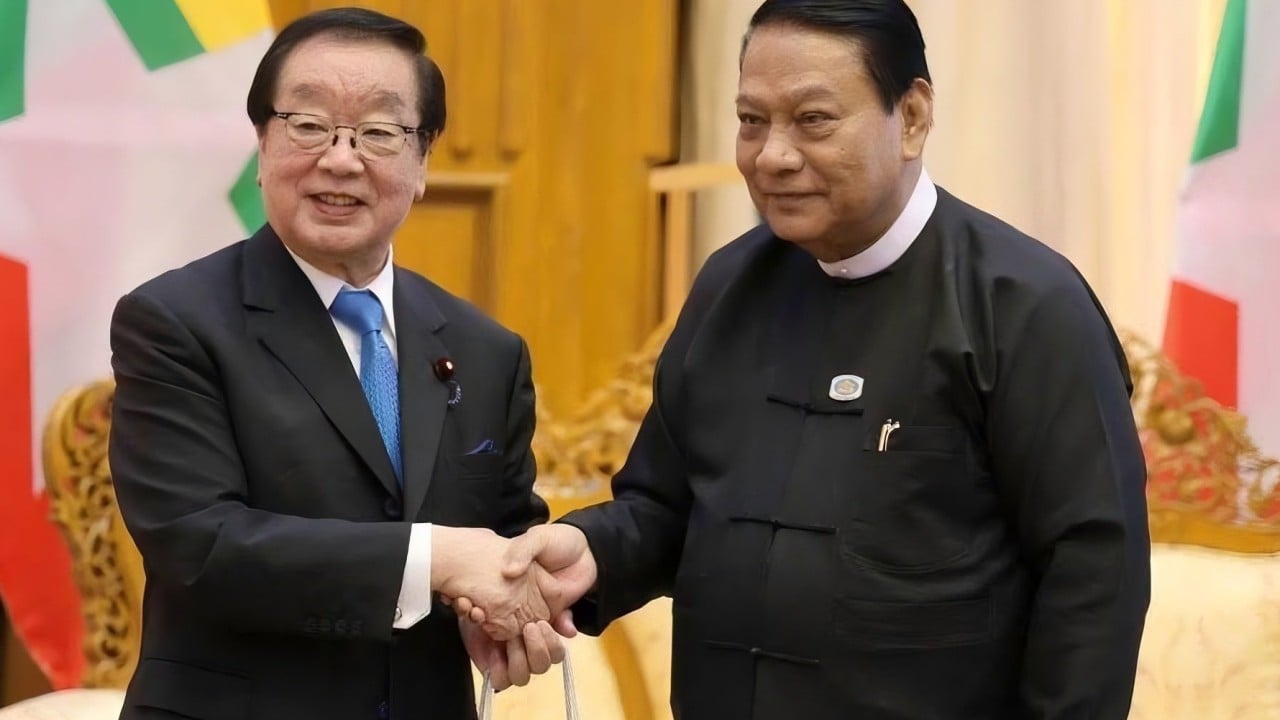
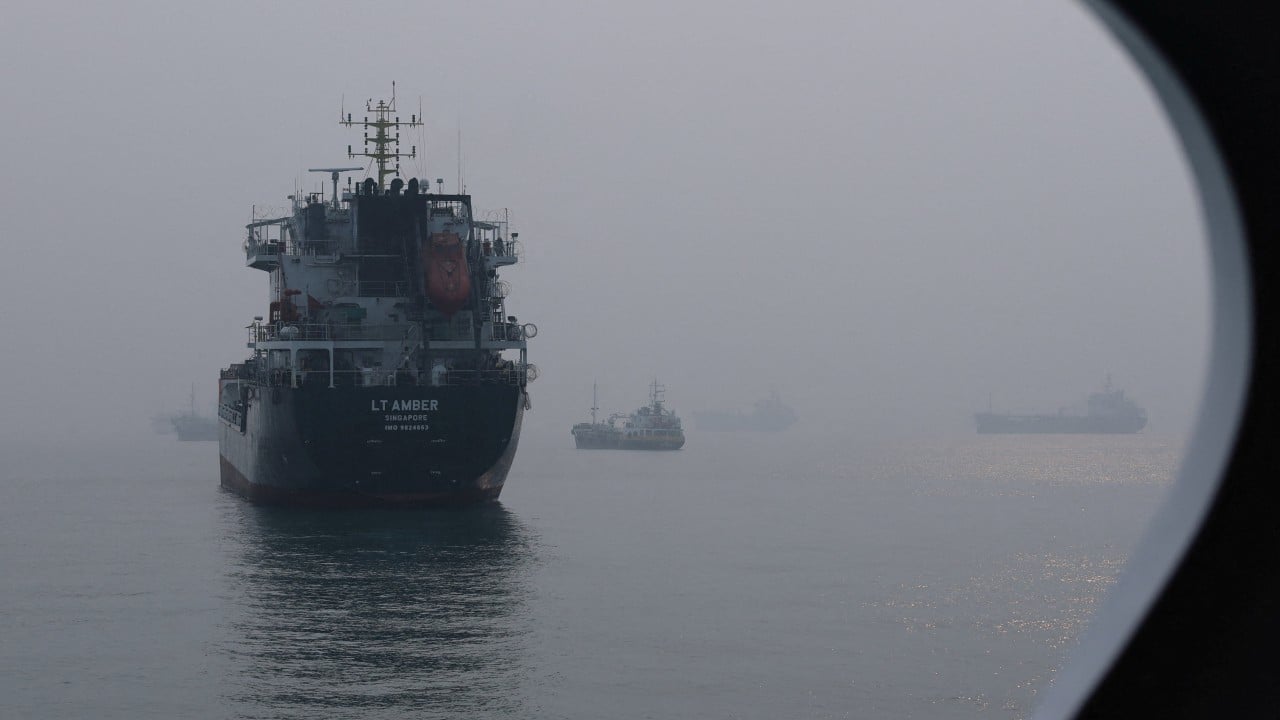
President Donald Trump put massive tariffs on Russian goods on ice in mid-October, suspending up to 500 percent duties under the Lindsey O. Graham Sanctioning Russia and Iran Act of 2026 just days before they were set to take effect as his public posture toward Russian President Vladimir Putin warmed. Yet treating the move as a simple burst of personal affection between two leaders misses the harder economic machinery driving Washington. Energy shocks tied to the conflict with Iran, domestic fuel inflation ahead of midterm elections, and looming diplomatic choreography at the APEC summit in Shenzhen all converged to turn punitive trade policy into a bargaining chip.
Anyone who has covered sanctions and trade enforcement for twenty years knows the difference between a headline and an operational reality. A tariff that never collects a single dollar at the border has zero immediate bite on customs flows. By signing an executive order on October 16 under Section 115 of the act, Trump exercised a statutory national-interest waiver before the October 18 implementation deadline. That did not erase every restriction on Moscow. Older Office of Foreign Assets Control measures remained on the books, and the statute's bar on U.S. persons purchasing Russian sovereign debt had already taken effect upon enactment in September. Still, suspending the sweeping 500 percent tariff on Russian imports and shelving proposed 100 percent duties on major buyers of Russian energy or sanctions-evading third countries—such as China, India, and Turkey—blunted the sharpest new economic weapon Congress had handed the executive branch.
Why Fuel Prices Outweighed Congressional Pressure
Washington loves to talk about sanctions as moral clarity carved into law. Out in the real economy, fuel costs move voters faster than statutory language ever will.
When the Lindsey O. Graham Sanctioning Russia and Iran Act of 2026 became law on September 18, lawmakers designed it to squeeze Moscow harder and penalize nations keeping Russian energy revenues afloat. On paper, it looked airtight. In practice, slapping steep secondary tariffs on top importers of Russian oil and gas risked inflaming global energy markets right as the war with Iran disrupted supply chains. Diesel prices in the United States had surged past six dollars a gallon, hitting record highs in September and squeezing farmers, ranchers, truckers, and freight haulers across the country.
When freight diesel climbs above six dollars a gallon, every grocery aisle, hardware store, and grain elevator feels the tax—whether Congress calls it a tariff or not.
Against that backdrop, Trump announced a deal with Putin to bring Russian diesel supplies back into the picture, framing the effort around lowering costs for American farmers, ranchers, and truckers ahead of the midterms. Waiving the new tariffs fit that sequence. Hitting major energy buyers with 100 percent duties while trying to calm fuel markets and negotiate an energy truce made little sense from a short-term price-control standpoint.
Critics saw something else entirely. Opponents argued that trading tariff leverage for pledges of Russian diesel handed Moscow breathing room during its war against Ukraine, even though the United States had banned Russian oil and gas imports back in 2022. Even the mechanics of a diesel arrangement face friction. Maritime shipping, insurance rules, refiners' compliance appetites, and Kyiv's strikes on Russian energy infrastructure all complicate how much physical fuel actually moves—or whether the announcement functions mostly as price-dampening signal and political leverage.
What Waiving Tariffs Actually Changes on the Ground
A pause in new tariffs does not mean Russia suddenly enjoys friction-free trade with the United States. Trade policy works in layers, and stripping away one layer leaves plenty of obstacles standing.
| Policy Layer | Current Status After October Waiver | Practical Impact on Trade and Markets |
|---|---|---|
| New 500% Tariff on Russian Goods | Waived prior to October 18 effective date | Prevents an immediate surge in statutory duty rates on covered Russian-origin imports |
| Proposed 100% Tariffs on Energy Buyers | Suspended without formal country designations | Relieves immediate tariff threat on importers like China, India, and Turkey, though uncertainty lingers |
| Prior OFAC & Executive Sanctions | Remains enforceable | Keeps existing asset freezes, financial restrictions, and compliance risks active |
| Russian Sovereign Debt Ban | Already in effect since September enactment | Bars U.S. persons from buying new Russian sovereign debt despite the broader waiver |
| EU and Other Allied Restrictions | Unchanged by U.S. executive action | European measures operate under separate legal authority and continue independently |
That distinction matters for corporate compliance teams and commodities traders. If a company treats a tariff waiver as a green light to rebuild pre-2022 commercial ties with Russia, it is asking for trouble. Pre-existing sanctions remain binding, secondary risks around shipping and energy transactions stay murky, and the waiver itself carries no fixed expiration date—meaning it can be revoked if diplomatic talks sour or energy markets shift.
Consider a hypothetical trading house evaluating a middleman shipment of industrial goods or refined fuel linked to Russian origin. Even without the 500 percent tariff taking effect on schedule, banks, insurers, and port operators still weigh older sanctions regimes, shipping scrutiny, and the risk that a future executive action reverses course overnight. Waivers buy flexibility for the White House; they rarely deliver long-term certainty to private balance sheets.
Warmth in Shenzhen and Friction With Allies
Personal chemistry in politics is real, yet it rarely operates in a vacuum. When Trump, Putin, and Chinese President Xi Jinping gathered around the APEC summit in Shenzhen, the optics drew sharp scrutiny precisely because of what they signaled about alliance cohesion.
Trump greeted Putin warmly, called him a friend, spoke of a great relationship over many years, and rated their trilateral sit-down with Xi a twelve out of ten. Putin, for his part, criticized Western sanctions and trade restrictions as incapable of halting competitors' growth, while Xi pushed rhetoric against trade protectionism and in favor of lowering barriers—even as the United States has spent much of Trump's second term using tariffs aggressively across global commerce, from his earlier "Liberation Day" duties that the Supreme Court largely struck down in February to separate trade negotiations with major partners.
Why Allies Worry About Leverage
For European leaders and Ukrainian officials, the timing looked jarring. While European governments pushed additional sanctions pressure over the war in Ukraine, Washington had just stepped back from newly authorized tariff pressure on Moscow. Ukrainian President Volodymyr Zelenskyy warned against treating Ukraine's diplomatic track as a smokescreen and insisted that talks on ending the war include Ukraine and Europe, while friction flared over stalled cease-fire claims and energy strikes.
Democratic lawmakers, including Sen. Tim Kaine, voiced alarm at seeing the U.S. president projecting camaraderie with Putin and Xi rather than rallying democratic allies. Still, there is a counter-argument worth hearing out before declaring the entire Western posture broken. Washington's European allies retain independent legal authority to enforce their own sanctions regimes regardless of what the U.S. executive branch waives, and Trump has simultaneously paired outreach in Asia with defense commitments elsewhere, such as deepening defense cooperation with the Philippines amid South China Sea tensions.
The Trap of Transactional Diplomacy
The deeper risk in pausing tariffs while warming up to Putin is not that Washington might talk to an adversary—great powers talk to rivals all the time. The real risk is leverage erosion. Tariffs and sanctions only carry maximum negotiating force when counterparts believe the penalty will actually land if talks stall.
If Moscow and Beijing conclude that domestic fuel jitters or political calendars will repeatedly prompt Washington to waive statutory pressure, the threat loses teeth. Conversely, if Trump uses the pause as a temporary carrot to test whether Moscow will curb energy escalation or accept verifiable terms, the tactic only succeeds if Washington is prepared to snap the waiver shut when those benchmarks are missed.
What Observers Should Watch Next
Anyone tracking whether this tariff pause marks a lasting realignment or a temporary detour should watch enforcement behavior rather than summit rhetoric. Greetings and banquet toasts make memorable photographs, yet customs entries, maritime insurance rules, and executive filings tell the real story.
Pay close attention to three concrete markers:
- Whether physical energy flows actually materialize under the diesel arrangement without running into sanctions, shipping, or infrastructure roadblocks.
- Whether the White House issues formal determinations under the Graham Act regarding top Russian energy buyers or leaves those provisions suspended indefinitely.
- How European sanctions enforcement holds up alongside Washington's waiver as diplomatic maneuvering over Ukraine continues.
In high-stakes statecraft, friendliness at the table often hides cold arithmetic underneath. Watch what gets signed, enforced, and shipped next—not who smiles longest for the cameras.