Allegations of systemic abuse inside United States immigration detention centers have reached a critical boiling point following reports of a Lebanese woman, now residing in Mexico, accusing a federal officer of demanding sexual favors in exchange for a Green Card while she was held in a Texas facility. This specific incident highlights a broader, deeply entrenched vulnerability within the American immigration enforcement apparatus, where absolute administrative authority meets acute detainee desperation. When federal officials wield unchecked power over the legal futures and physical freedom of individuals in custody, the conditions are primed for severe misconduct, coercion, and institutional failure.
To understand how such allegations emerge and why they frequently stall in the shadows, one must examine the operational mechanics of the Department of Homeland Security (DHS) and Immigration and Customs Enforcement (ICE). Detention facilities, particularly those clustered along the southern border in Texas, operate as closed ecosystems. Inside these walls, the balance of power is entirely asymmetric. Detainees often lack immediate access to legal counsel, face language barriers, and possess limited knowledge of the complex bureaucratic pathways that dictate whether they remain in the country or face deportation.
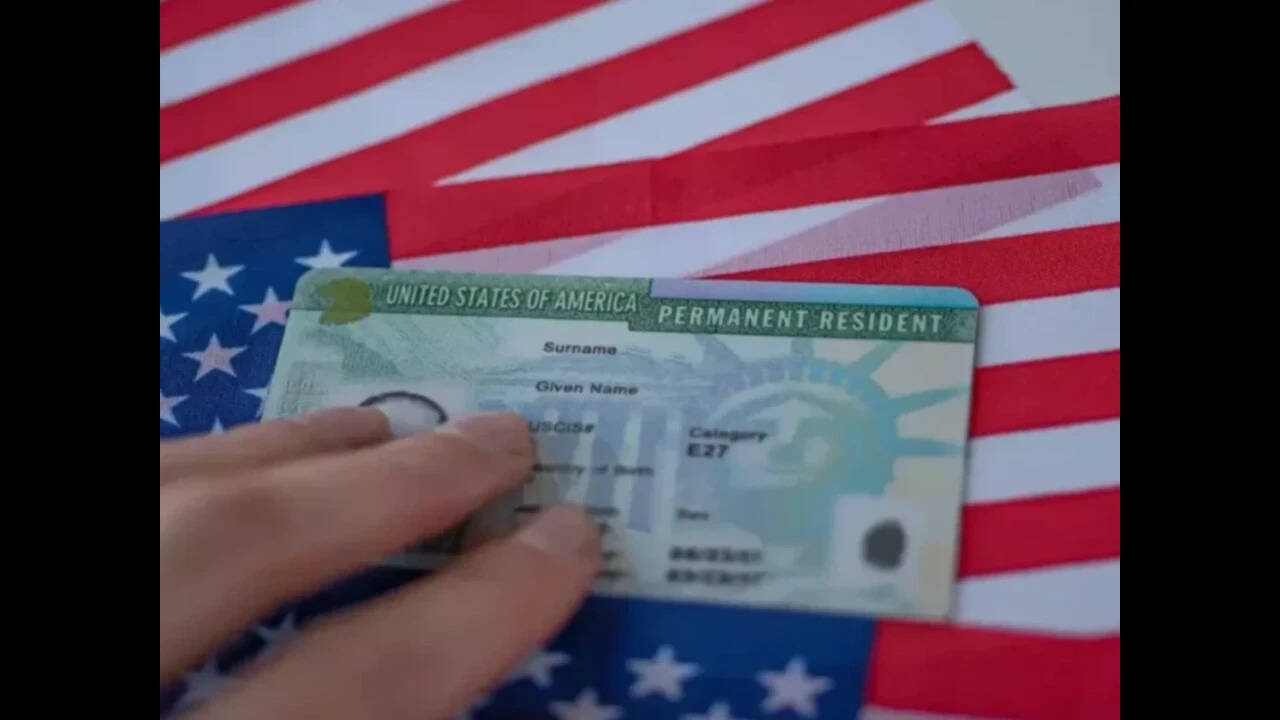
The promise of a Green Card—officially known as a Lawful Permanent Resident card—represents the ultimate currency in this environment. In reality, an individual ICE detention officer holds zero legal authority to unilaterally grant permanent residency. That power rests with U.S. Citizenship and Immigration Services (USCIS) or an immigration judge under specific statutory frameworks. Yet, to a frightened detainee isolated from outside advice, a uniformed officer represents the entirety of the United States government. When an official exploits that perception to demand sexual compliance, it ceases to be merely a breach of protocol. It becomes an act of extortion facilitated by state-sponsored captivity.
The Architecture of Impunity in Texas Facilities
Texas houses the largest network of immigration detention centers in the United States. The state’s sprawling geography and reliance on private prison contractors—such as CoreCivic and The GEO Group—create a fragmented oversight environment. In many facilities, federal ICE officers work alongside privately employed guards, creating overlapping chains of command that routinely blur accountability when misconduct occurs.
Consider the structural realities facing someone inside a Texas detention center.
- Isolation from Support Networks: Transfers between facilities happen rapidly and often without prior notice to families or attorneys. A detainee can be moved hundreds of miles overnight, severing established lines of communication.
- Fear of Retaliation: Reporting an officer requires filing a grievance within the very system that controls the detainee's daily survival. Complainants frequently report being placed in solitary confinement—officially termed "administrative segregation"—under the guise of protective custody.
- Deportation as Silencing: Perhaps the most potent deterrent to accountability is removal from the country. Once a complainant is deported, as seen in cases where victims end up in Mexico or their countries of origin, pursuing an investigation or civil litigation against a federal agent becomes logistically and financially nearly impossible.
The specific trajectory of a Lebanese national ending up in Mexico after detention in Texas underscores the convoluted nature of modern border enforcement. Policies enacted over the past several years, including various asylum restrictions and third-country transit rules, have increasingly pushed non-Mexican nationals into Mexican border cities. Once outside U.S. jurisdiction, these individuals lose direct access to the domestic legal mechanisms required to hold federal employees accountable. The physical border becomes a shield for institutional liability.
How Federal Oversight Fails to Deter Abuse
On paper, multiple agencies exist to police misconduct within ICE. The DHS Office of Inspector General (OIG), the ICE Office of Professional Responsibility (OPR), and the Office for Civil Rights and Civil Liberties (CRCL) all share mandates to investigate abuse, sexual assault, and corruption. In practice, these oversight bodies are chronically under-resourced relative to the scale of the detention system.
When a detainee files a complaint alleging sexual coercion or assault, the bureaucratic machinery moves with glacial speed. Internal investigations often rely heavily on the testimony of the accused officer and their colleagues, while physical evidence in non-violent coercion cases—such as verbal quid pro quo demands—is notoriously difficult to secure. Surveillance cameras inside facilities frequently have blind spots, and audio recording is rarely standard in holding areas or administrative offices.
Furthermore, the Prison Rape Elimination Act (PREA), which was extended to cover immigration detention facilities in 2014, suffers from inconsistent enforcement. While PREA standards mandate strict protocols for reporting, investigating, and preventing sexual abuse, audits of ICE facilities have repeatedly revealed systemic gaps. Detainees are often unaware of their rights under PREA, or the hotlines provided to report abuse are monitored or inaccessible due to broken phones and lack of calling cards.
The low rate of substantiated claims creates a dangerous feedback loop. Between 2010 and 2017, data obtained through Freedom of Information Act requests showed that out of over 1,200 complaints of sexual and physical abuse filed by detainees, only a tiny fraction resulted in formal disciplinary action or criminal prosecution. When bad actors inside the system observe that complaints rarely lead to termination or prosecution, deterrence evaporates.
The Psychological Leverage of the Green Card Myth
To grasp the severity of the accusation involving a promised Green Card, one must look at the psychological state of long-term detainees. Immigration detention is civil, not criminal, meaning detainees are not entitled to court-appointed attorneys. Unless they can afford private representation or secure scarce pro bono assistance, they navigate a labyrinthine legal code alone.
In this vacuum of reliable information, rumors and misconceptions thrive. Detainees hear stories of miraculous pardons, prosecutorial discretion, and sudden releases. An unscrupulous officer who understands this desperation can easily fabricate a narrative of influence. By claiming to have connections with immigration judges or higher-ups at USCIS, the officer transforms a routine administrative interaction into a high-stakes negotiation for freedom.
Hypothetically, imagine a detainee facing imminent deportation to a country where they fear persecution or severe instability. They have no lawyer, their family is thousands of miles away, and they have spent months behind razor wire. If an authority figure wearing a federal badge offers a secret pathway to permanent residency in exchange for silence and compliance, the coercion is absolute. Even without physical force, the threat of deportation acts as a weapon. Under federal law, any sexual contact between a detention staff member and a detainee is legally non-consensual due to the inherent power imbalance, yet proving the verbal coercion behind closed doors remains one of the hardest hurdles in prosecutorial work.
Cross-Border Justice and the Exiled Witness
The detail that the accuser is now living in Mexico introduces a critical complication that legal analysts and human rights advocates have flagged for years. When victims of misconduct inside U.S. detention centers are removed from the country, the American justice system effectively loses its primary witness.
Investigating an allegation from across an international border presents immense operational challenges:
- Jurisdictional Friction: Federal investigators from DHS or the FBI cannot simply cross into Mexico to conduct formal interviews or gather evidence without diplomatic coordination with Mexican authorities.
- Victim Vulnerability: Foreign nationals living in Mexican border regions often face precarious living conditions, limited legal status in Mexico, and heightened risks from local criminal organizations. Securing stable communication with an investigator in Washington, D.C., or San Antonio is rarely a priority when daily survival is at stake.
- Evidentiary Decay: Time is the enemy of any investigation. By the time a deported individual connects with an advocacy group or journalist to tell their story, facility surveillance footage has often been overwritten, shift logs are archived, and potential witnesses among the detainee population have themselves been scattered across the globe.
Advocacy organizations have long argued for a mandatory "stay of removal" for any detainee who files a credible complaint of sexual abuse, assault, or civil rights violations while in custody. Without guaranteed protection from deportation during the pendency of an investigation, reporting abuse becomes an act of self-sabotage for the victim. In many documented instances, complainants have been placed on deportation flights within days of filing a grievance, effectively terminating the inquiry before an investigator ever speaks to them.
Historical Precedents of Border Corruption
The accusation out of Texas does not exist in a vacuum. Over the past two decades, the rapid expansion of border enforcement and detention capacity outpaced vetting and supervision protocols. Federal courts have seen numerous prosecutions of Customs and Border Protection (CBP) and ICE personnel for bribery, smuggling, and sexual misconduct.
In several high-profile cases along the Texas border, officers were convicted of using their positions to extort vulnerable migrants. Some demanded cash payments to lose paperwork; others coerced women into sexual relationships under the threat of separating them from their children or accelerating their deportation orders. In 2018, a former ICE deportation officer in Texas was sentenced to federal prison after admitting to sexually assaulting detainees and coercing them by threatening their immigration cases. Those prosecutions only succeeded because external whistleblowers, persistent legal aid attorneys, or rare physical evidence forced the government's hand.
These cases reveal a consistent pattern. Predatory behavior rarely starts with a single, isolated incident. It typically escalates over time as an officer tests boundaries, identifies gaps in facility supervision, and targets detainees who appear most isolated—those without family in the United States, those who do not speak English or Spanish fluently, and those from distant countries like Lebanon whose consular support networks in rural Texas are practically non-existent.
Structural Reforms Required to Break the Cycle
Addressing this crisis requires dismantling the conditions that allow coercion to flourish unchecked inside detention facilities. Relying on internal agency self-policing has proven insufficient. Meaningful reform demands concrete statutory and operational shifts that alter the balance of power inside detention centers.
First, Congress and the Department of Homeland Security must mandate automatic humanitarian parole or stays of removal for individuals who report sexual assault, extortion, or severe misconduct while in federal custody. If a victim knows that coming forward will pause their deportation and grant them temporary legal standing to participate in an investigation, the rate of reporting will rise and investigators will retain access to crucial testimony.
Second, transparency inside Texas facilities must be drastically expanded. All interactions between individual officers and detainees in private offices, medical wings, and transport vehicles should be subject to strict two-officer rules and continuous, uneditable video and audio monitoring retained for a minimum of three years. Eliminating blind spots removes the "he-said, she-said" ambiguity that allows abusive officers to evade accountability.
Third, independent legal orientation programs must be funded and guaranteed for every detainee upon arrival. When detainees are explicitly informed on day one—in their native language—that no ICE officer has the power to grant a Green Card, expedite a visa, or alter a judge's ruling in exchange for favors, the foundational lie used by predatory officers loses its power.
Until the federal government severs the link between a detainee's legal desperation and an officer's unchecked discretion, the walls of Texas detention centers will continue to conceal abuses that contradict the very laws these agencies are sworn to uphold.