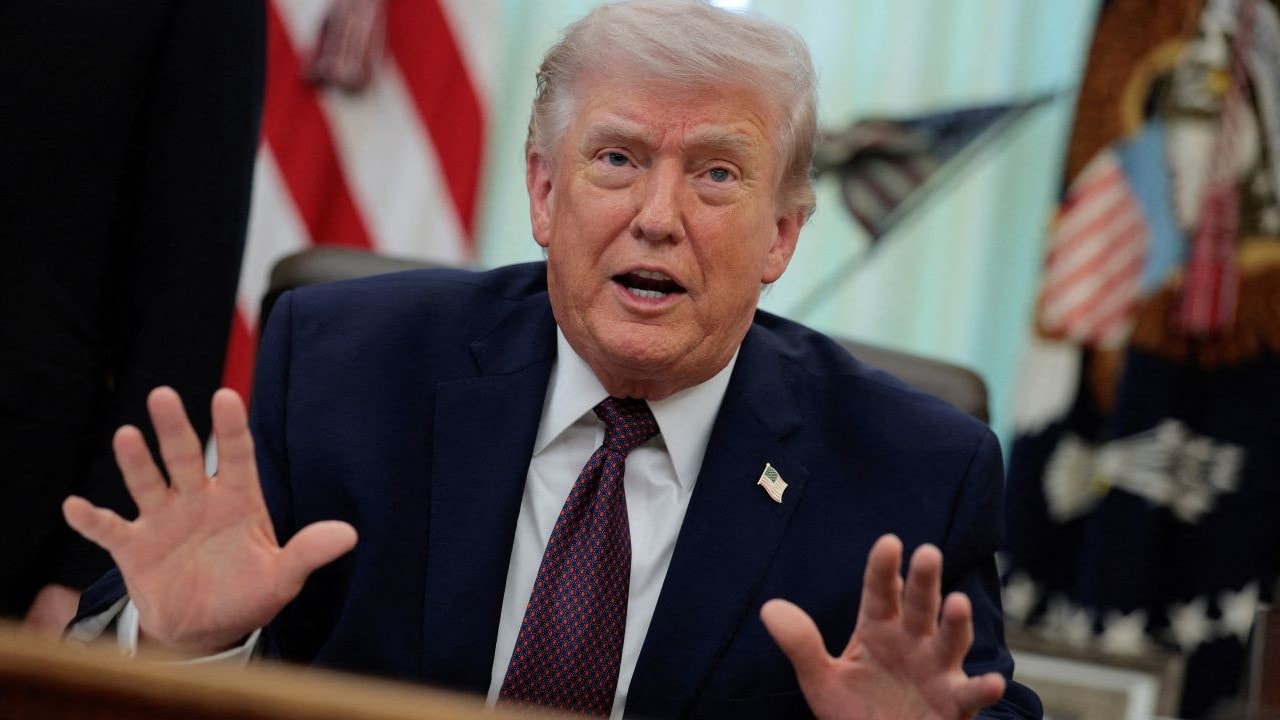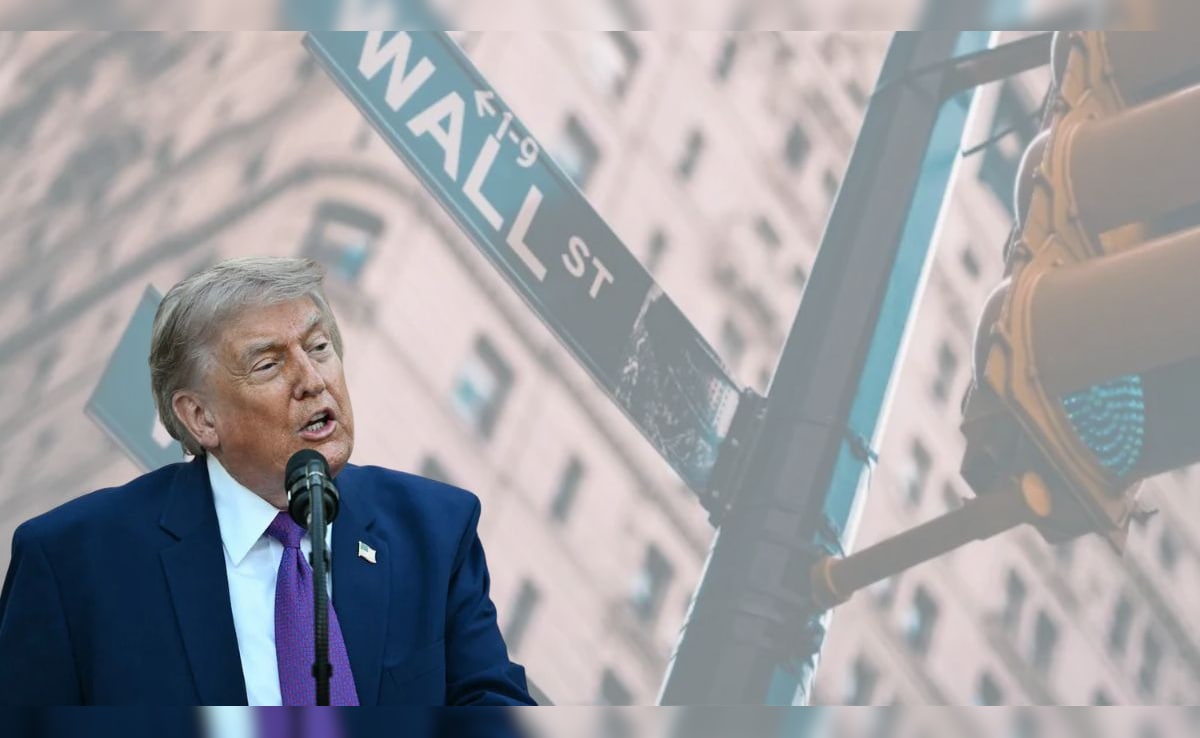
A newly released federal disclosure shows Donald Trump’s portfolio logged over 3,600 stock transactions during the first quarter of the year. This averages out to roughly 40 to 60 trades every single business day. Wall Street compliance officers and government ethics experts are calling the extreme volume an unprecedented anomaly for a sitting president. The activity involves millions of dollars moving through blue-chip tech giants, defense contractors, and aerospace firms, many of which are directly impacted by current administration policies.
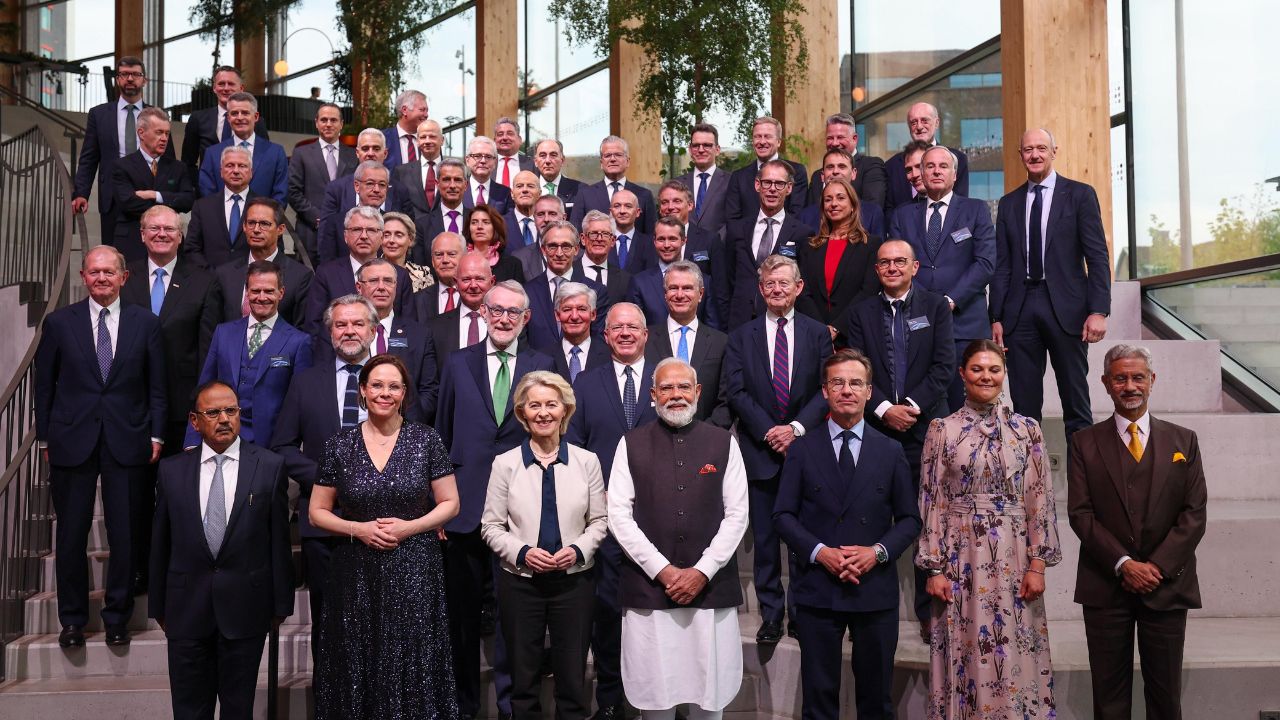
While the White House maintains that automated, third-party money managers handle these investments without executive input, the sheer frequency of execution raises massive systemic questions. Expanding on this topic, you can also read: The Anatomy of Indo Nordic Economic Integration An Analytical Breakdown of Modis Oslo Summit.
The Mechanics of a High Volume Presidential Portfolio
To understand the scale of this trading volume, one must look at how institutional capital operates. A standard retail investor might rebalance a portfolio quarterly. A conservative wealth manager might execute a dozen trades a month to manage risk. Logging dozens of transactions daily moves the portfolio squarely into the territory of algorithmic trading or aggressive swing trading.
According to the filings submitted to the Office of Government Ethics, the transactions spanned a wide array of highly liquid equities. Experts at Harvard Business Review have also weighed in on this trend.
The Trump Organization claims these accounts are managed via independent financial institutions utilizing automated programmatic systems. In theory, these algorithms buy and sell based on technical indicators, market volatility, and mathematical models rather than political insights.
The practical reality is more complicated. Even if a computer program clicks the button, the portfolio owns underlying assets in companies that live and die by executive orders, tariff adjustments, and federal regulatory appointments.
The Policy Intersection
The timing of these transactions coincides with massive regulatory and diplomatic shifts. During the exact three-month window of this trading blitz, the administration engaged in high-stakes negotiations and policy adjustments that sent shockwaves through specific corporate sectors.
- Semiconductor Shipments: The administration approved specific licensing adjustments for high-end artificial intelligence chip sales overseas.
- Aerospace Commitments: Executive diplomatic efforts directly correlated with major international purchasing commitments for domestic commercial aircraft manufacturers.
- Tariff Adjustments: Fluctuations in import duties on international tech components caused immediate, intraday volatility across the broader market index.
When a portfolio buys and sells a stock multiple times a week while the owner of that portfolio controls the narrative that moves that exact stock, the traditional firewall between public service and private wealth begins to erode. It creates an environment where market participants must guess whether a policy shift drove a stock price, or if market volatility drove an algorithmic trade.
+------------------------------------------------------------+
|  TYPICAL PRESIDENTIAL PORTFOLIO VS. THE 2026 OGE DISCLOSURE|
+------------------------------------------------------------+
| Traditional Model:                                         |
| [Blind Trust] -> [Broad Index Funds] -> [Zero Daily Trades]|
+------------------------------------------------------------+
| Current Disclosure Model:                                  |
| [Active Accounts] -> [Algorithmic Trading] -> [40-60 Daily]|
+------------------------------------------------------------+
Why a Blind Trust Was Abandoned
Historically, modern presidents avoided this ethical minefield by utilizing a qualified blind trust. Under that framework, an independent trustee liquidates the politician's original assets and reinvests the capital without giving the politician any knowledge of what specific stocks are held.
That precedent was discarded. During previous terms in Washington, the standard protocol was to step away from active equity management to avoid even the appearance of a conflict.
The strategy changed for this current term. The operational philosophy shifted because previous scrutiny yielded few tangible political consequences. This calculated approach acknowledges that public attention span is fragmented, and traditional political norms carry less weight than they did a decade ago.
The Problem with Automation as a Defense
Relying on the defense that an algorithm or a third-party asset manager is making the decisions creates a convenient shield, but it ignores how modern quantitative finance functions. High-frequency algorithms are programmed to exploit volatility.
Nothing creates market volatility quite like unexpected policy announcements, social media declarations, or sudden changes in trade posture.
If an automated system is programmed to buy when a stock dips below a certain moving average and sell when it spikes, and the account owner possesses the unique power to cause those dips and spikes through public statements, the system becomes an inadvertent generator of well-timed profits. The manager does not need to receive a direct phone call from the Oval Office to capitalize on the chaos. The machine simply reacts to the ripples caused by the stone thrown into the pond.
Wall Street Reacts to the Compliance Nightmare
Inside major investment banks and regulatory compliance offices, this high-frequency pattern is causing significant quiet panic. Compliance departments are built to flag unusual trading activity, particularly front-running or insider trading patterns among corporate insiders and political figures.
When a sitting president's portfolio matches the trading velocity of a small hedge fund, traditional monitoring metrics break down completely.
The capital involved totals tens of millions of dollars. This is not enough money to distort the entire valuation of a trillion-dollar enterprise, but it is more than enough to trigger internal risk alerts at brokerage firms. The dilemma for financial institutions is profound. They are legally obligated to monitor accounts for suspicious activity, yet blocking or freezing transactions tied to the head of the executive branch is an administrative third rail.
The Legal Boundaries of Political Trading
Federal law theoretically curtails insider trading by government officials through the STOCK Act. However, prosecuting or enforcing these rules requires proving that a specific trade was made based on material, non-public information.
Is it material? Yes, policy shifts alter valuations.
Is it non-public? Usually, until the official action occurs.
Can you prove intent? Almost never when an automated system is involved.
This legal gray area allows the current volume to continue without immediate judicial intervention. The system is designed to catch a congressman who buys stock in a biotech firm the day before a major government contract is announced. It is completely unequipped to handle an algorithm executing fifty trades a day across the entire S&P 500 while the executive branch reshapes global trade policy in real time.
The Long Term Costs of Volatility Trading
The broader issue is not whether a specific trade netted a few thousand dollars in profit. The real issue is the institutional erosion of market confidence.
For global financial markets to function efficiently, participants must believe the playing field is relatively level. If retail investors and institutional funds suspect that the ultimate market mover has skin in the short-term trading game, capital allocation strategies change.
Investors begin pricing in a political risk premium. This means trading becomes more defensive, capital stays on the sidelines, and companies must navigate unpredictable stock fluctuations that have nothing to do with earnings reports or product quality.
The ultimate takeaway from the OGE disclosures is that the boundary between governance and quantitative wealth generation has been permanently blurred. The high-volume strategy turns the presidency into a massive, passive participant in the daily fluctuations of the American corporate structure, transforming market volatility from an economic challenge into a portfolio asset.