The architecture of modern statecraft rarely collapses in a single cataclysmic explosion. More often, it degrades into an exhausted limbo. Months after initial military exchanges fractured the Persian Gulf, the confrontation between Washington and Tehran has settled into a grinding, highly volatile stalemate.
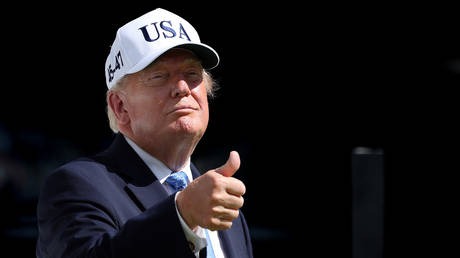
President Donald Trump swings wildly between issuing dire warnings that the American military remains locked and loaded and signaling that economic collapse will finish the job without another round of bombers. Meanwhile, Iranian leadership digs in its heels, maintaining an unyielding list of preconditions that includes the complete lifting of economic strangulation and an end to allied maritime blockades. This is not diplomacy. It is a high-stakes waiting game where both sides are convinced that time works exclusively in their favor, even as the global economy absorbs the tremors of a permanently disrupted Strait of Hormuz.
To understand why this deadlock persists, one must look past the public posturing and examine the mechanics of the current posture. Secretary of State Marco Rubio insists that the secondary sanctions campaign is working with such devastating precision that the Iranian regime is buckling from financial exhaustion alone. On paper, the metrics of economic pain look severe. Inflation is rampant, currency values have plummeted, and internal anxieties within the regime run high.
Yet, historical precedent demonstrates that isolated authoritarian structures rarely capitulate to financial pressure alone. Instead, they hunker down, redirect scarce resources toward internal security apparatuses, and externalize their domestic crises. In Tehran, hardliners have already resumed ballistic missile production in deeply buried underground facilities and maintained a persistent campaign of asymmetric harassment against commercial shipping. When economic coercion hits a hard ceiling, regimes typically choose survival through defiance over surrender at the negotiating table.
Washington faces its own internal political reckoning. The midterm electoral cycle delivered a stark message about public fatigue over foreign entanglements. Vice President JD Vance, tasked with navigating the wreckage of post-conflict fallout, has openly pointed to voter dissatisfaction as a heavy anchor on domestic political momentum. The political cost of the initial escalation has left the administration walking a tightrope. A full-scale renewal of bombing campaigns risks igniting a broader regional conflagration that would send crude prices soaring and alienate fragile international partners. Conversely, walking away entirely without a verifiable structural agreement invites accusations of strategic failure.
Regional intermediaries, particularly Qatari and Omani diplomats, find themselves trapped in the middle of this immovable object and irresistible force dynamic. Their mediation efforts continue behind closed doors, yet every proposal founders on the same fundamental rock. Tehran demands the immediate removal of sanctions and the unfreezing of overseas assets before it even considers addressing nuclear safeguards or curtailing regional proxies. Washington and its allies view those demands as detached from reality, pointing out that offering upfront relief removes all leverage before permanent security guarantees are established.
The result is a dangerous paradox. The physical threat of conflict has receded just enough to prevent panic, yet remains close enough to paralyze long-term regional investment. Oil tankers traverse the critical chokepoints of the Middle East under the watchful guns of United States Navy escorts, while isolated projectile strikes remind insurers and shipping executives that the waterway is anything but secure. Task Force Iron Gate extends the blockade from sea to land, tightening the noose while diplomats exchange drafts that both sides know are dead on arrival.
As international attention shifts toward upcoming multilateral summits in the Asia-Pacific, the Iranian dossier remains an unexploded ordnance sitting quietly in the corner of the global stage. Trump prepares to hold high-level talks where nuclear stockpiles and regional stability will inevitably surface behind closed doors, even as his administration publicly downplays the urgency of a formal treaty.
Neither Washington nor Tehran possesses the appetite for total war, but neither possesses the political flexibility to make the concessions required for genuine peace. They remain locked in a perpetual gray zone, managing a crisis they cannot resolve, waiting for the other side to blink first.