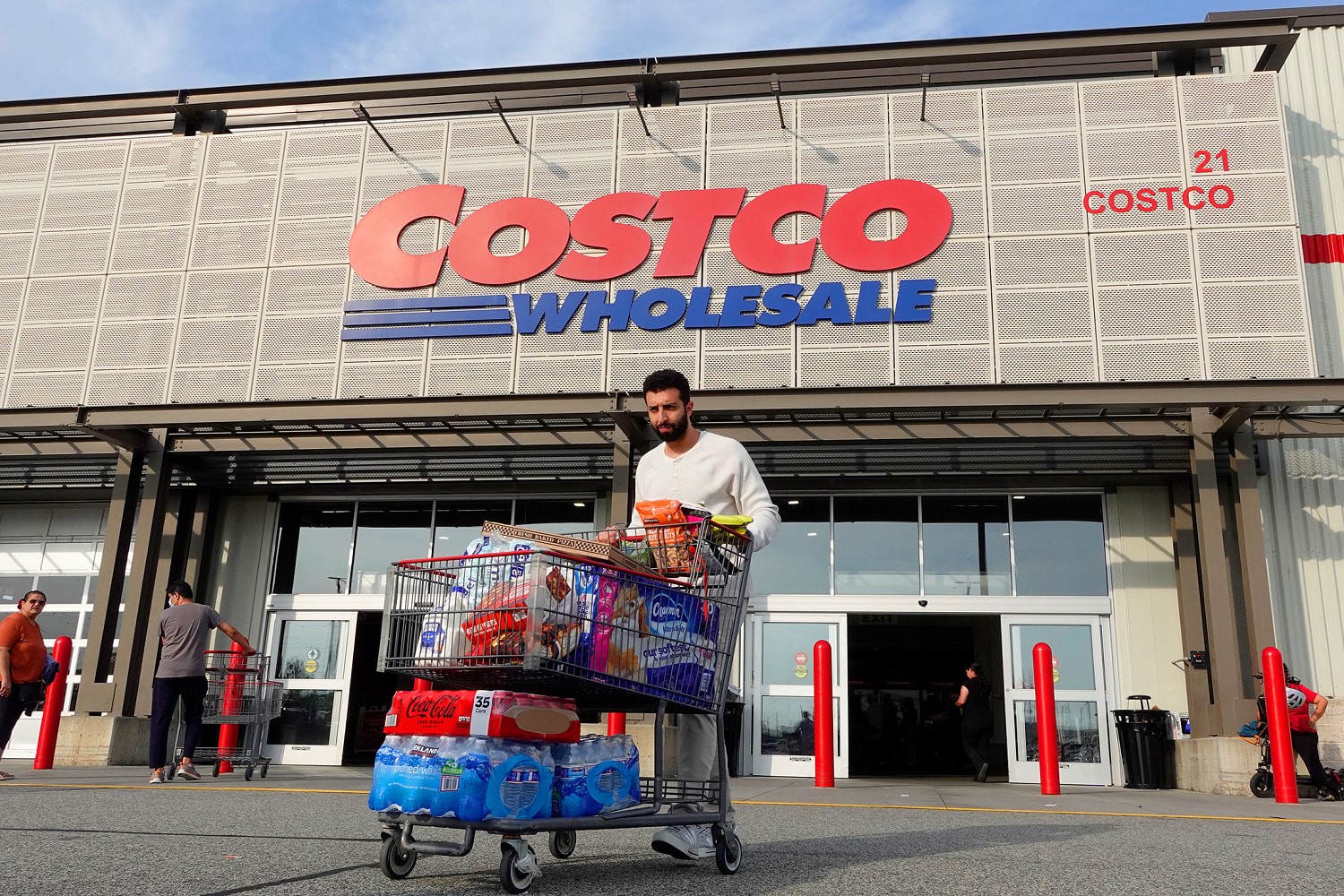
A whipped cream recall triggered by the potential presence of a cleaning chemical points to a breakdown at the intersection of high-speed dairy processing, pressurized gas charging, and sanitation verification. When a private-label product such as a Costco-brand whipped cream faces a chemical contamination alert, the immediate hazard involves chemical residue entering either the dairy base or the propellant delivery system before sealing. Unlike biological pathogens that grow over time, industrial cleaners, sanitizers, or lubricants can contaminate a batch in seconds during equipment changeovers, improper rinse cycles, or valve maintenance, turning a routine kitchen staple into an acute ingestion risk.
Spend enough years covering food manufacturing and retail supply chains, and a pattern emerges. Headlines chase the brand on the front of the can, while the real failure usually sits three layers deeper inside a contract co-packer's plant. Private-label giants rarely run every bottling or aerosol line under their own roof. They buy specification-driven output from specialized manufacturers operating at relentless speed. When a cleaning chemical enters that chain, it rarely arrives as a dramatic movie villain. It shows up as a missed verification step on a shift log, a valve left open between sanitation runs, or a residue test skipped to hit a shipping window.
How Industrial Cleaners Slip Into Pressurized Dairy Lines
Pressurized dairy canisters look simple from the outside. A chilled cream blend sits inside a metal container charged with nitrous oxide, which dissolves under pressure and expands into foam when the actuator is pressed. Inside the factory, that simplicity disappears behind stainless steel piping, pasteurizers, homogenizers, balance tanks, filler heads, and crimping stations.
Every one of those surfaces requires strict sanitation. Food plants cycle between production runs and clean-in-place sanitation cycles using alkaline detergents, acid rinses, sanitizers, and equipment lubricants. Each chemical has a specific job and a mandatory removal protocol. If a rinse cycle runs short, if a dead leg in a pipe traps cleaning solution, or if a technician uses a non-food-grade or improperly flushed solvent near an open filler manifold, trace or concentrated chemicals can enter the stream.
Pressurized canisters add a second vulnerability. Valves, seals, and gas-charging lines rely on precision tolerances and specialized lubricants or flushing agents to prevent leaks and ensure consistent dispensing. If a cleaning agent or solvent used during line maintenance or valve assembly is not fully purged before dairy filling or gas charging begins, the chemical gets trapped inside a sealed, pressurized vessel. Consumers do not see it, smell it easily over sweet cream and vanilla, or expect an industrial solvent inside a dessert topping.
To make the mechanism concrete, consider a hypothetical example. Suppose a co-packer runs a flavored dairy topping on Line 4, shuts down for a deep chemical wash using a chlorinated alkaline cleaner, and transitions back to standard sweetened cream. If a diversion valve malfunctions during the final potable water rinse, residual cleaner stays in a secondary feed line. Even a small volume diluted across a batch creates an immediate recall trigger because food safety regulations treat unapproved chemical adulteration as a zero-tolerance defect rather than a minor quality flaw.
The Private-Label Illusion and Co-Packer Accountability
Retailers built modern grocery aisles on private-label scale. By consolidating purchasing power under a trusted house brand, major chains offer lower prices and consistent quality while keeping overhead disciplined. For the shopper, the brand name on the can promises strict oversight.
In reality, the supply chain behind a store brand is a web of contracts, audits, and shared risks. A retailer sets product specifications, approves packaging, and requires third-party food safety certifications, yet the day-to-day execution belongs to the contract manufacturer. When an error happens on the plant floor, the retail brand absorbs the reputational shock first. Customers bring cans back to the warehouse club or grocery store, news outlets run the store name in the headline, and shoppers question whether the retailer's quality wall has cracked.
That dynamic creates tension between speed and verification. High-volume food plants operate on razor-thin margins and tight scheduling. Sanitation crews work under clock pressure to hand lines back to production. Quality assurance teams must verify ATP swab readings, pH levels, or visual rinses across multiple shifts. When volume spikes—around holidays, peak baking seasons, or promotional pushes—every minute of downtime feels expensive. Shortcuts rarely look reckless at the moment someone takes them; they look like keeping the line moving.
Why Chemical Recalls Trigger Zero-Tolerance Action
Public health agencies and food safety regulators draw a sharp line between a cosmetic defect and a potential chemical contamination event. If a batch of whipped cream is slightly under-aerated or a label sits slightly crooked, companies handle it through customer service credits or quiet rework. If a cleaning chemical may be present, regulators treat the product as potentially adulterated.
Chemical exposure carries immediate risks that vary by compound, concentration, and consumer sensitivity. Caustic cleaners can irritate or burn mucous membranes and the gastrointestinal tract. Solvents, quaternary ammonium compounds, or industrial degreasers can cause nausea, vomiting, chemical irritation, or systemic toxicity if ingested in sufficient amounts. Young children, older adults, and people with underlying sensitivities face heightened risk from even modest exposures.
Because testing every single pressurized can on a high-speed line is impossible without destroying the inventory, recalls sweep broadly by lot code, production date, or facility run. A manufacturer cannot simply guess which twenty cans out of ten thousand received a trace dose. Once a potential chemical breach is identified through internal quality checks, customer complaints, or supplier alerts, pulling the affected lots is the only defensible move.
What Shoppers Miss When a Recall Hits the News
Most coverage of a whipped cream recall stops at three facts: which brand is named, which lots are affected, and what to do with the can in the fridge. Those details matter, yet they leave out the practical realities of how food safety works after an alert goes out.
First, a recall notice does not guarantee every can on a shelf or in a pantry is contaminated. Often, manufacturers issue precautionary recalls when a process deviation suggests a chemical residue could be present, even before lab testing confirms widespread contamination. Caution is a feature of the system, not proof that every canister holds poison.
Second, lot codes and best-by dates are the real currency of safety, not brand loyalty. Shoppers often glance at the front label, decide they trust the store, and keep using a product that sits inside an affected production window. Checking the bottom or side of the canister for stamped codes against official recall notices is the only reliable way to separate safe inventory from affected stock.
Third, returning or discarding a recalled item is only step one. Anyone who used the product and experienced unusual taste, odor, throat irritation, or stomach distress should note the exact product details, keep the packaging if safe to do so for reference, and consult a healthcare professional or poison control center rather than brushing off symptoms as ordinary indigestion.
The Uncomfortable Truth About Modern Food Scale
Decades of food safety history teach a sobering lesson. Better technology, stricter checklists, and cleaner-looking factories have not eliminated human or mechanical error. They have changed where errors hide.
Modern food plants are marvels of automation, yet they still depend on people cleaning equipment, reading gauges, replacing gaskets, and making judgment calls at 3 a.m. When a cleaning chemical threatens a whipped cream recall, the root cause is rarely a mystery compound falling from the sky. It is usually an ordinary industrial substance in the wrong place at the wrong time, paired with a control system that caught the mistake only after cans were already packed.
For buyers and industry watchers alike, the takeaway is straightforward. Trust is earned through transparency and rapid containment, not perfection—and the moment a chemical crosses from sanitation into production, every safety assumption gets put to the test. Check the code on the bottom of every can before you press the nozzle.