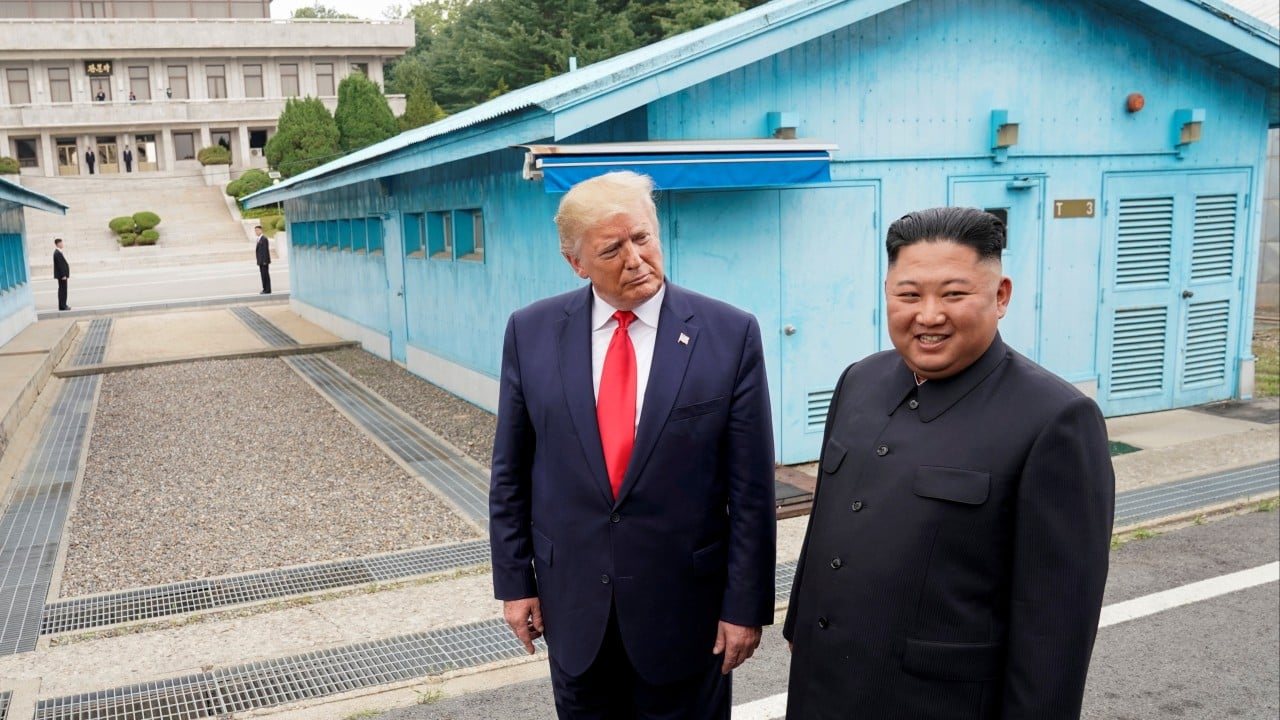
Donald Trump and the United States administration have reached a breaking point with Israeli Prime Minister Benjamin Netanyahu, as mounting geopolitical friction, divergent military objectives, and public policy clashes strain a decades-long alliance. Behind closed doors in Washington and Jerusalem, the diplomatic machinery is grinding under the weight of conflicting national interests. Trump wants quick diplomatic resolutions and a stabilization of foreign conflicts to protect domestic economic standing ahead of crucial domestic elections. Netanyahu, conversely, finds his political survival tethered to a coalition that demands perpetual military posture and uncompromising regional dominance.
This fundamental misalignment has transformed what was once described as an unshakeable diplomatic bromance into a high-stakes standoff. The friction is not merely a product of clashing personalities, though the volatile chemistry between the two leaders has produced explosive phone calls and public reprimands. At its core, the crisis stems from an asymmetric power dynamic where an American president with zero sentimental attachment to traditional foreign policy orthodoxy is discovering that his primary regional partner views Washington's strategic goals as expendable. In related updates, read about: Why the Negeri Sembilan Royal Crisis is a Trap for Umno Leaders.
The Anatomy of a Fractured Alliance
Decades of diplomatic precedent taught Israeli leadership how to manage American administrations through a combination of congressional lobbying, public appeals, and strategic delay. That playbook is failing. Trump operates without the ideological reverence for the bilateral relationship that characterized previous White House occupants. His approach is transactional, swift, and fundamentally unforgiving.
When military campaigns in the Middle East threaten to derail American diplomatic initiatives with Iran or compromise economic stability at home, the response from the Oval Office is immediate. Recent months have laid bare the extent of this impatience. Reports of explosive telephone exchanges, where the American president reportedly used blunt profanity to check Israeli military maneuvers in Beirut, signal a profound shift. Washington is no longer willing to write a blank check for operations that contradict broader American diplomatic objectives. Al Jazeera has also covered this critical issue in great detail.
The divergence became glaringly public as the joint campaigns against regional adversaries evolved. While initial military synchronization created an illusion of total alignment, the aftermath exposed deep structural faults. Trump sought a decisive conclusion and negotiated off-ramps that could be marketed as diplomatic victories. Netanyahu, pressured by far-right coalition partners who view any cessation of hostilities as an existential political defeat, repeatedly resisted American timelines for a drawdown.
The Domestic Trap Closing in Jerusalem
Benjamin Netanyahu is fighting a war on two fronts, and the internal political battlefield may prove more hazardous than any external adversary. Domestic polling inside Israel reveals an electorate deeply unsettled by the erosion of ties with Washington. A significant majority of Israeli voters view current diplomatic friction with the United States as actively damaging to national security. Yet, any attempt by Netanyahu to appease Washington by accepting comprehensive peace frameworks or scaling back military operations risks collapsing his ruling coalition.
This creates a brutal political paradox. To survive domestically, Netanyahu must pander to hardline elements within his government who demand ongoing conflict and territorial assertion. Yet, every concession to those hardliners further alienates an American president who views obstructionism as a personal insult.
The leverage belongs entirely to Washington, a reality that the Israeli prime minister's office attempts to obscure through public declarations of eternal friendship. American military aid, intelligence sharing, and diplomatic cover remain the lifeblood of Israeli strategic posture. Trump has made it explicitly clear that this support is conditional on compliance with American grand strategy. When the White House demands a halt to unauthorized strikes or insists on adherence to multi-phase ceasefire agreements, defiance carries an astronomical price tag.
The Historical Precedent of Presidential Ultimatums
Friction between American presidents and Israeli prime ministers is not entirely unprecedented, but the current velocity and tone mark a distinct departure from history. Past administrations utilized quiet diplomacy or subtle economic nudges to express displeasure. Ronald Reagan famously issued stark warnings to Israeli leadership during the 1982 intervention in Lebanon, threatening long-term bilateral consequences if operations continued unchecked. George H.W. Bush famously linked loan guarantees to settlement policies, triggering a political earthquake in Jerusalem.
What distinguishes the current era is Trump's willingness to externalize the frustration. By acknowledging tense exchanges, deploying public rebukes, and openly questioning Israeli tactical judgment, the White House strips away the diplomatic insulation that traditionally protected foreign leaders from domestic blowback.
Furthermore, the erosion of bipartisan support inside the United States compounds the danger for Israel. Long gone are the days when unwavering support for Israeli military action was universally insulated from domestic American political polarization. Public opinion polls demonstrate a sharp generational and political shift regarding the bilateral relationship, leaving Israeli leadership increasingly dependent on a single, mercurial American leader whose moods and priorities can shift overnight.
The Coming Reckoning Over Regional Architecture
The ultimate test of this fractured relationship centers on the framework for regional normalization and post-conflict governance. Washington envisions an expansive regional architecture integrating security pacts with major Arab states alongside phased stabilization in Gaza and Lebanon. This vision requires difficult concessions from Israel, including structural compromises on territorial control and a credible pathway toward Palestinian self-governance.
Netanyahu's political identity has been forged on the absolute rejection of these very concessions. For decades, he marketed himself as the sole political figure capable of resisting international pressure while keeping the nation secure. Now, trapped between an American administration demanding compliance and a domestic base demanding intransigence, that political identity is fracturing.
The minuet between Washington and Jerusalem continues, but the music is slowing down. Every unilateral military action by Israel that jeopardizes American diplomatic tracks draws a sharper, more punitive response from the Oval Reserve. The illusion of a frictionless partnership has vanished, replaced by a cold calculus of power where the United States dictates the parameters of survival. As the clock ticks toward upcoming electoral showdowns in both nations, the fundamental question remains whether the alliance can withstand a leader whose time in Washington has run out of patience for defiance.
The bill for decades of strategic divergence is coming due, and neither political survival tactics nor rhetorical posturing will prevent the final accounting.
For additional perspective on how shifting diplomatic priorities are impacting regional talks, watch this analysis on Netanyahu and Trump Iran policy friction.