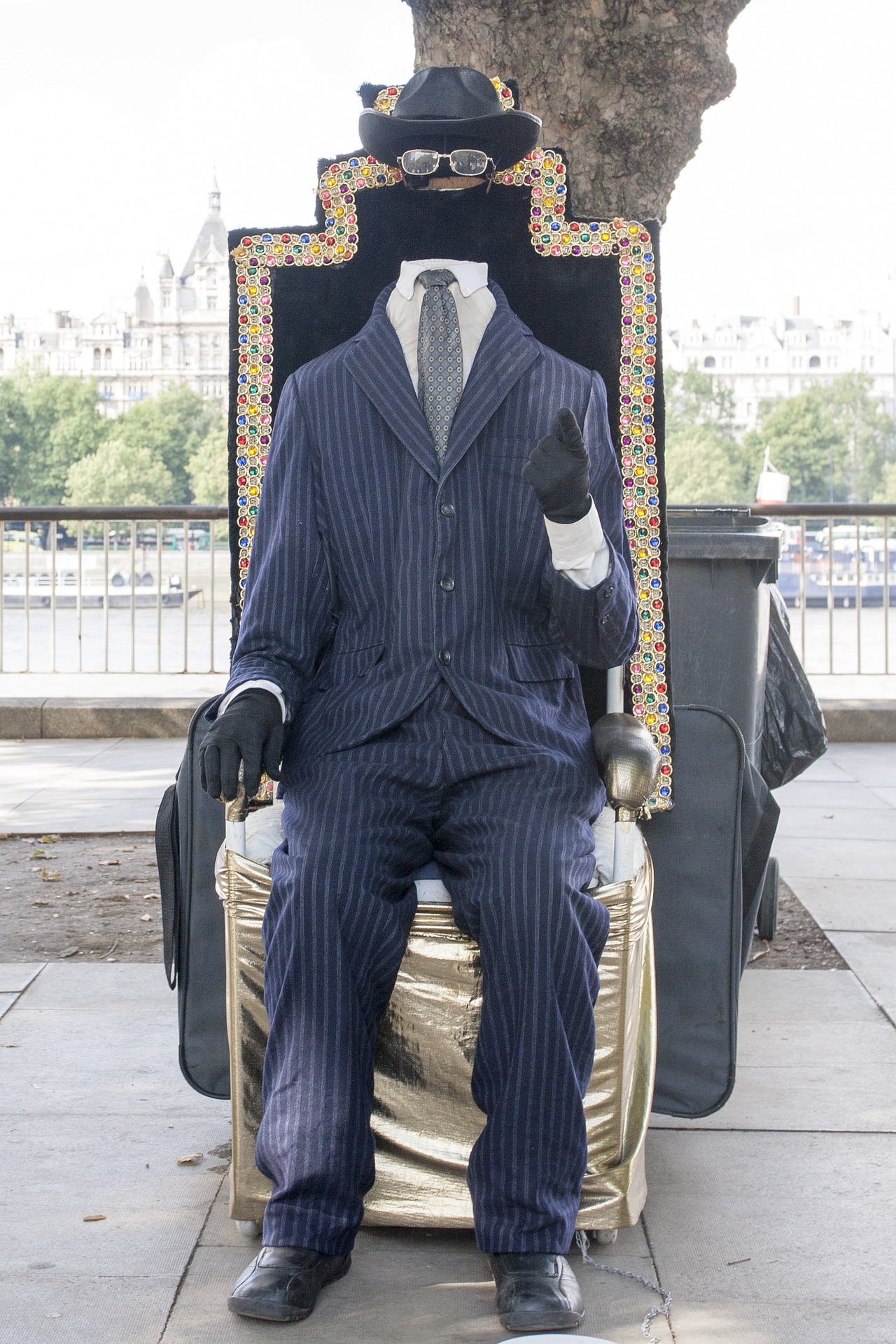
The transition of power in Tehran has historically been a clinical, behind-the-scenes affair. But the elevation of Mojtaba Khamenei to the position of Supreme Leader following the February 28, 2026, airstrike that killed his father, Ali Khamenei, has been anything but orderly. While state media broadcasts messages of continuity and strength, a darker reality is emerging from the shadows of the capital. The new Rahbar is not merely a recluse by choice; he is a man physically broken by the same fire that claimed his predecessor.
For weeks, the Islamic Republic has operated under a ghost. No video footage has surfaced. No live audio has been broadcast. Instead, the nation receives "written messages" and "audio links" that intelligence agencies are scrutinizing for signs of digital manipulation. The core of the crisis lies in a simple, devastating fact: Mojtaba Khamenei suffered severe, disfiguring facial trauma and the loss of at least one limb during the initial strike on the leadership compound. In similar updates, read about: Geopolitical Arbitrage and the Hormuz Kinetic Constraint.
The Price of Succession
The strike on the Beit Rahbari compound was designed to decapitate the regime's leadership. It partially succeeded. While Ali Khamenei was killed instantly, Mojtaba was pulled from the rubble alive but transformed. Sources close to the inner circle in Tehran describe a man who has undergone multiple reconstructive surgeries in a secure underground medical facility. His face is reportedly unrecognizable from the propaganda posters currently plastered across the Valiasr Street.
This physical transformation creates a profound theological and political problem. In the Shiite theocracy of Iran, the Supreme Leader is not just a political executive; he is the representative of the Hidden Imam on Earth. He must project an aura of divine grace and physical wholeness. A "janbaz"—a wounded veteran—is a title of honor in Iranian culture, but a leader who cannot stand before his people or show his face poses a challenge to the very visibility of the state's authority. NPR has analyzed this important topic in great detail.
The Assembly of Experts, the body responsible for electing the leader, reportedly hesitated for days. They were caught between the desire for dynastic stability and the reality of Mojtaba’s condition. The compromise was an appointment made in haste, hidden behind a wall of security and state-controlled narratives.
The Digital Facade
In the absence of a physical leader, the Iranian state apparatus has turned to advanced technology to maintain the illusion of presence. Intelligence analysts have noted that recent "audio messages" attributed to Mojtaba exhibit rhythmic anomalies consistent with high-end voice synthesis. While the regime claims he is "mentally sharp" and leading meetings via audio link, the refusal to allow even a brief, graining video appearance suggests the damage is far beyond what makeup or clever lighting could hide.
This reliance on digital proxies is a dangerous game. In a country already simmering with dissent—evidenced by the "Death to Mojtaba" chants echoing in the night—the perception of a "Deepfake Leader" could be the spark for a total collapse of public trust. If the people believe they are being ruled by a computer-generated ghost while the IRGC (Islamic Revolutionary Guard Corps) pulls the strings behind the curtain, the legitimacy of the office evaporates.
The Power Vacuum and the IRGC
With Mojtaba confined to a medical bed, the true power has shifted to a collective of military and judicial hardliners. The IRGC has effectively moved from being the protectors of the Leader to his regents. This shift changes the calculus of Iranian foreign policy. A physically whole Ali Khamenei was a master of the "long game," balancing factions and knowing when to retreat. A wounded, isolated Mojtaba is a hostage to the most aggressive elements of the security state.
- The Interim Council: While Mojtaba holds the title, the day-to-day governance is managed by a council including Gholam-Hossein Mohseni-Eje'i and Mohammad Bagher Ghalibaf.
- The Succession Within: Factions within the IRGC are already positioning themselves for the "post-Mojtaba" era, correctly sensing that a leader who cannot appear in public is a temporary solution.
- Foreign Perception: The United States and Israel are operating under the assumption that the "center" no longer holds. This leads to more aggressive military posturing, as there is no clear address for diplomatic de-escalation.
A Nation in Limbo
The geopolitical stakes could not be higher. As peace talks open in Islamabad, the Iranian delegation is negotiating on behalf of a man who may not be able to sign a treaty. The lack of a visible leader creates a "transparency gap" that makes high-stakes diplomacy almost impossible. How do you negotiate a ceasefire with a shadow?
The Iranian public is equally in the dark. In the bazaars of Isfahan and the tech hubs of North Tehran, the rumors are more potent than the official news. Some believe Mojtaba is already dead; others think he is being kept on life support to prevent a civil war between IRGC factions. The longer he remains invisible, the more the regime's foundation of "Velayat-e Faqih" (Guardianship of the Jurist) crumbles.
The historical irony is thick. The 1979 Revolution was built on the charismatic, very visible presence of Ayatollah Khomeini. Today, the revolution survives on the absence of a face. The regime is betting that it can transition into a purely bureaucratic, military autocracy where the "Leader" is a brand rather than a person. But history suggests that in moments of extreme crisis, a nation needs a human face to follow, not a poster or a synthesized voice.
If the reports of his disfigurement are accurate, Mojtaba Khamenei is a living metaphor for the state he now leads. He is scarred, hidden, and struggling to maintain a semblance of the old order while the world around him has fundamentally changed. The "Ramadan War" of 2026 didn't just kill a leader; it shattered the image of invincibility that the Khamenei family spent thirty-seven years building.
The regime has promised a public appearance within two months. That deadline is a ticking clock. If Mojtaba emerges, the world will see the cost of the war etched into his features. If he doesn't, the silence will tell its own story. The Islamic Republic is currently a house without a master, held together by the sheer force of its security apparatus and the hope that the people don't look too closely at the empty chair at the top.



