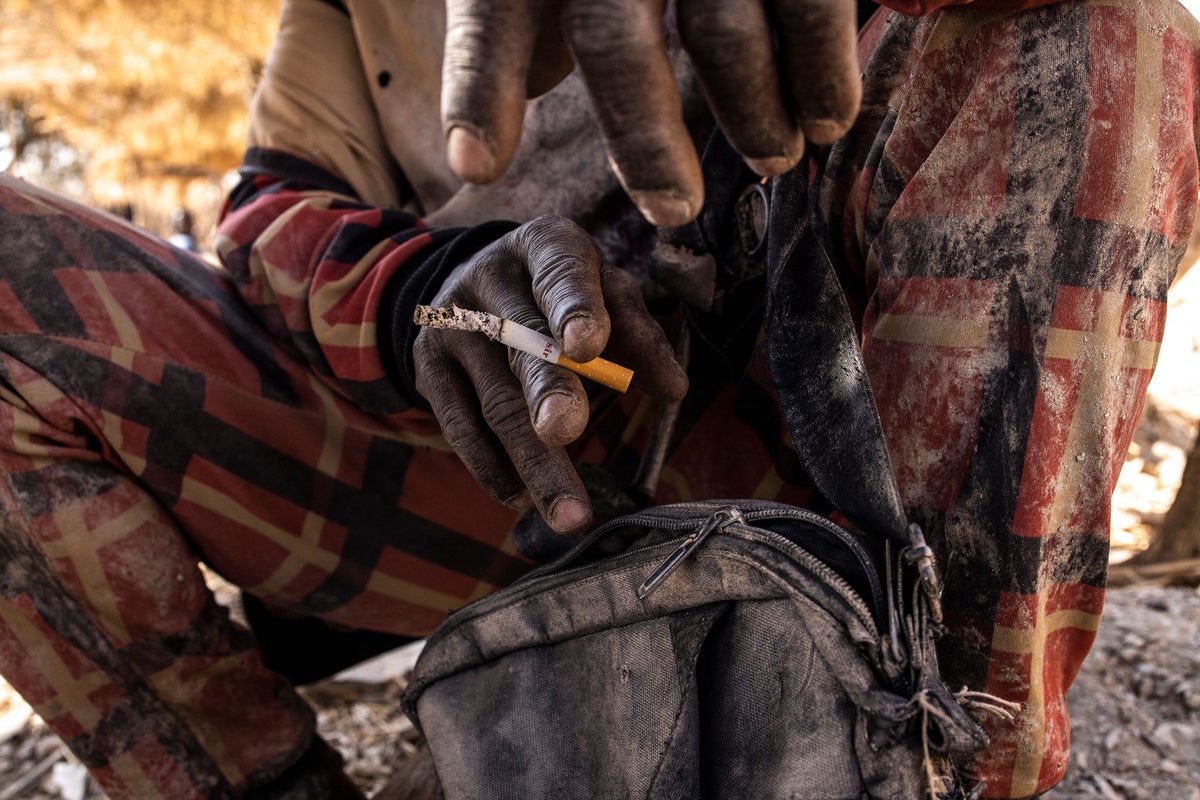
The air inside the concrete-block house smells of dry dust and slow-burning charcoal. It is a scent I know intimately. It coats the back of the throat. It stings the eyes before dawn breaks over the horizon. Outside, the dust roads of sub-Saharan Africa hum with early morning life—engines sputtering, children laughing on their way to school, women balancing plastic yellow jerrycans on their heads. Inside, the windows are pulled shut against the morning chill, trapping something far more dangerous than the dust.
Smoke.
Not the dramatic, billowing clouds of a raging wildfire, but a quiet, insidious haze. It drifts from a neighbor's kitchen, slips through open eaves, and clings to the fabric of everyday existence. We talk endlessly about the diseases we can see coming. We map malaria seasons and track nutritional deficits with clinical precision. Yet, we walk right past an escalating crisis that operates in plain sight.
Data tells a chilling story, even when the numbers try to remain sterile. Exposure to second-hand smoke has doubled across sub-Saharan Africa. Think about that. Double. In a region where public health systems are already stretched to their absolute breaking point, a new wave of invisible poison is quietly reshaping the biological futures of millions.
To understand what this means, we have to strip away the abstractions of public health reports. We have to look at a hypothetical scenario rooted entirely in verified reality. Meet Amina. She is twelve years old, lives in a bustling urban neighborhood in Lagos, and has never touched a cigarette in her life. She is bright, dreams of becoming an engineer, and loves mathematics. But Amina has a chronic cough that lingers long after the dry season ends.
Amina's lungs are working overtime. Every single day, as she sits in crowded rooms, shares living spaces, or walks narrow corridors where ventilation is a luxury few can afford, she breathes in the exhaled toxins of others. The tobacco epidemic, having faced stricter regulations and shrinking markets in the West, found fertile, unprotected ground in the rapidly growing cities of the Global South. Tobacco companies know exactly what they are doing. They market aggressively in regions with weak regulatory frameworks, substituting flashy billboards for the accountability they left behind.
The human cost of this shift is staggering. Second-hand smoke is not merely an annoyance. It is a cocktail of thousands of chemicals, dozens of which are known to cause cancer. When a child inhales that air, their developing airways absorb the full force of those carcinogens. Asthma rates climb. Respiratory infections spike. Hospitals fill up with wheezing toddlers and adults suffering from cardiovascular damage they never saw coming.
Why is this happening now? Why are we losing ground on a battle we thought we understood?
The answer lies in a dangerous convergence of economic growth, urban densification, and aggressive corporate expansion. As populations shift rapidly from rural areas to burgeoning cities, housing becomes cramped. Multiple families share single compounds. When indoor spaces shrink and social norms surrounding smoking remain permissive, the concentration of second-hand smoke multiplies exponentially. There is nowhere to escape it. The living room is the bedroom is the kitchen.
We often talk about health as an individual choice. We love our neat narratives of personal responsibility. If you get sick, the faulty logic goes, you must have done something wrong. But second-hand smoke shatters that comforting illusion completely. Amina cannot choose the air in her classroom. A toddler cannot ask an adult relative to step outside. A worker crammed into a poorly ventilated transport vehicle has no veto power over the passenger lighting up next to them.
This is an issue of equity. The burden of this invisible smoke falls heaviest on those who have the least power to change their environment.
Let us look closer at the mechanics of this crisis. When tobacco smoke enters a room, it does not simply vanish. It settles. It coats clothing, furniture, and walls—a phenomenon researchers call third-hand smoke. Infants crawling on carpets ingest these lingering toxins directly. Children sleeping on shared mattresses breathe them in all night long. The body fights back, of course. White blood cells swarm. Inflammation sets in. Over time, this constant, low-grade biological warfare wears down the immune system.
Medical science has mapped these pathways with absolute clarity. We know the molecular damage caused by benzene, formaldehyde, and hydrogen cyanide. We know how these substances restrict blood flow and damage endothelial cells, setting the stage for heart attacks and strokes decades down the line. Yet, bridging the gap between toxicological data and lived reality remains our greatest hurdle.
How do we change a trajectory like this?
Not by handing out pamphlets in languages people barely speak. Not by shaming individuals who are simply trying to navigate the immense stress of daily survival in an unforgiving economy. Real change requires structural courage. It demands comprehensive smoke-free legislation that is actually enforced, not just printed on paper to appease international bodies. It requires holding multinational tobacco conglomerates accountable for the health footprints they leave behind in developing markets.
We need public spaces where breathing is a fundamental right, not a gamble. We need educational campaigns that frame tobacco use not as a personal quirk, but as a direct threat to community survival.
Consider the alternative. If current trends continue unchecked, we are sleepwalking into a chronic disease catastrophe. The generation currently growing up in these smoke-filled environments will face early-onset cardiovascular disease and respiratory failure just as they reach their most productive years. The economic toll on families—already grappling with poverty—will be catastrophic. Funerals for preventable illnesses will rob communities of their elders, their teachers, and their innovators.
The air in those concrete-block houses must change.
We stand at a critical crossroads. The doubling of second-hand smoke exposure in sub-Saharan Africa is not a distant statistical anomaly. It is a mirror reflecting our global priorities. It asks us a fundamental question about what kind of world we are willing to tolerate for others simply because the borders are different and the smoke is harder to see.
Amina is still doing her math homework at the wooden table, the faint scent of charcoal and smoke hanging heavy in the fading evening light. She pauses, presses a small hand to her chest, and takes a shallow breath before picking up her pencil again.