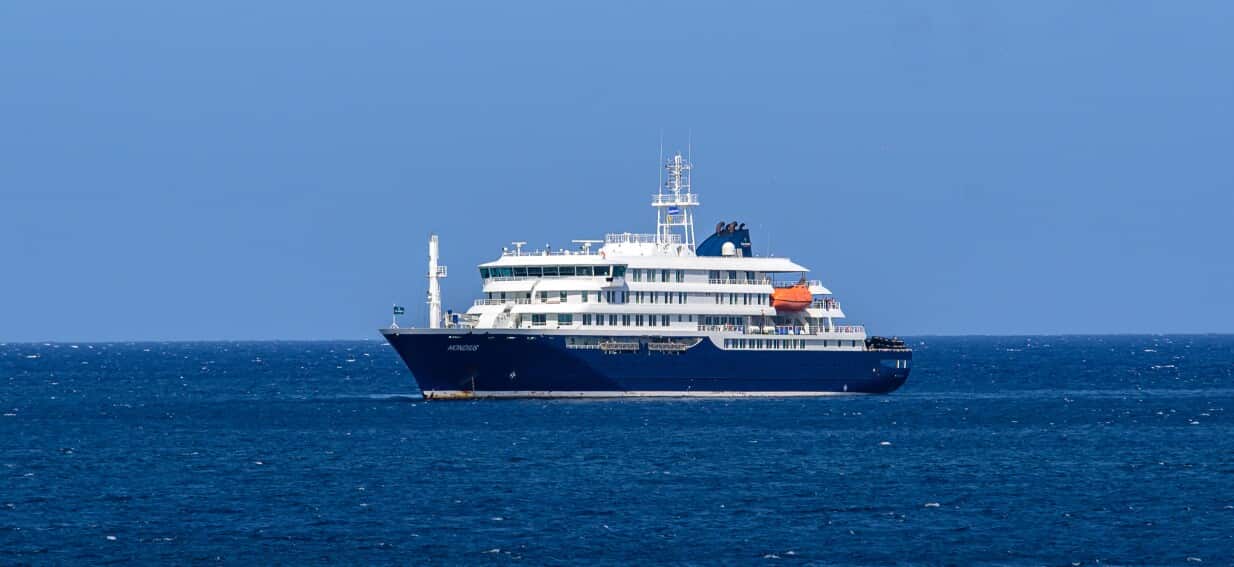
The modern cruise ship is a marvel of engineering, a floating city designed to insulate thousands of passengers from the harsh realities of the ocean. Yet, recent reports of a suspected hantavirus outbreak aboard a luxury vessel have shattered that illusion of safety. Hantavirus is a severe respiratory disease primarily transmitted by rodents, and its sudden appearance in the sterile, air-conditioned corridors of a cruise ship suggests a terrifying breach in maritime sanitation and health protocols. While the cruise industry works overtime to contain the PR fallout, the medical reality is much grimmer. Hantavirus is not a common cold; it is a high-mortality pathogen that leaves little room for error.
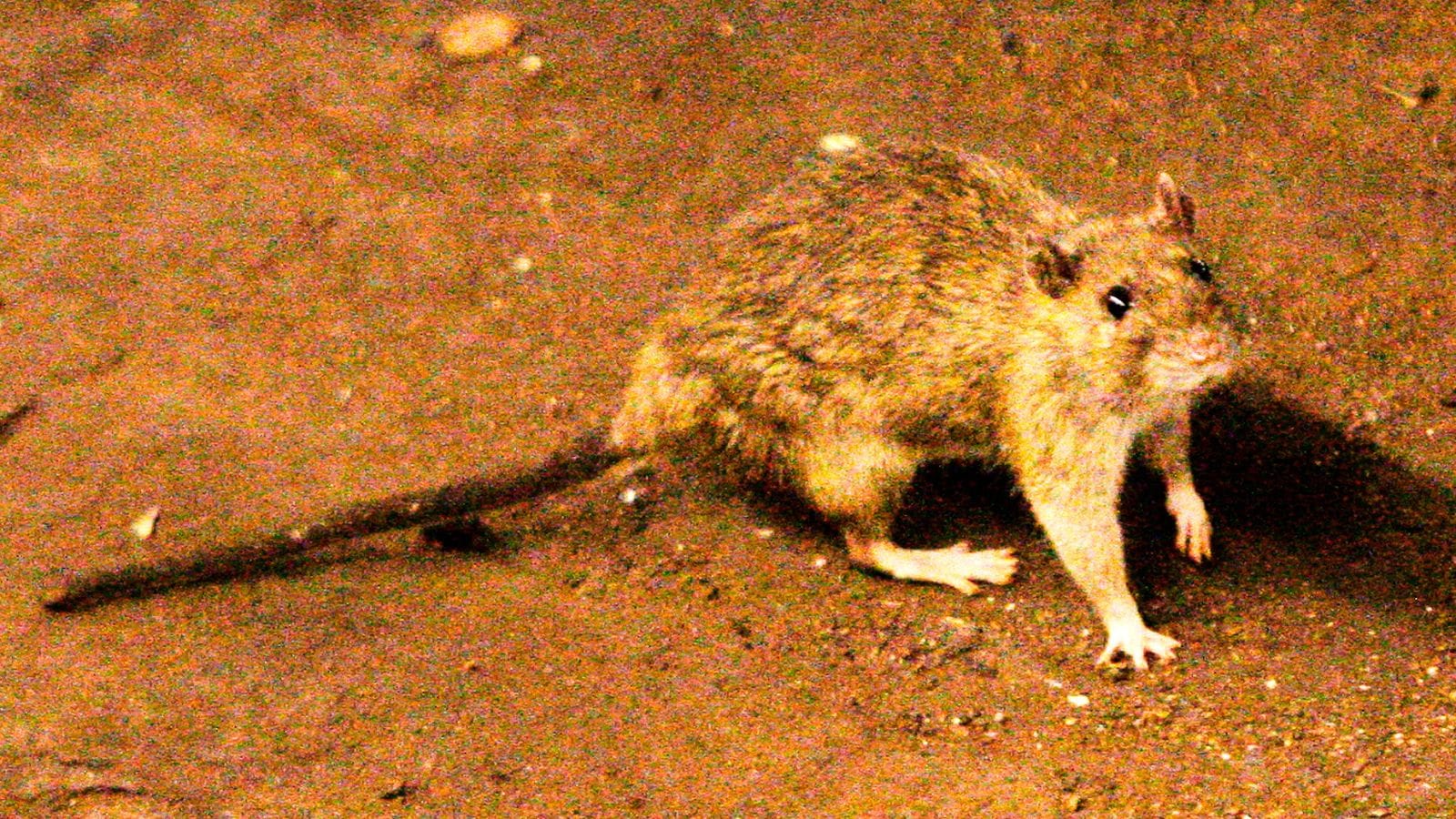
Understanding this threat requires moving past the surface-level panic. To survive an encounter with this virus, one must understand how it migrates from the wild into the heart of a tourist hub. It starts with the Hantavirus Pulmonary Syndrome (HPS), a lung infection that can lead to rapid respiratory failure. Unlike the flu, which spreads through human coughs and sneezes, hantavirus is a zoonotic disease. Humans contract it by inhaling dust contaminated with the urine, droppings, or saliva of infected rodents—specifically deer mice, white-footed mice, and rice rats. Meanwhile, you can find related developments here: Structural Failures in Pathogen Containment The Hantavirus Cruise Ship Incident.
The Logistics of a Floating Outbreak
The presence of a rodent-borne virus on a cruise ship points to a systemic failure in the supply chain or vessel maintenance. Cruise ships are massive, labyrinthine structures with miles of cabling, ductwork, and storage holds. These areas are the perfect shadows for vermin to inhabit. When a ship docks at a port, especially in regions where hantavirus is endemic, the risk of "stowaway" rodents increases exponentially.
Contamination usually occurs in the galley or the ventilation systems. If a rodent nest is disturbed during routine maintenance or if droppings are present near an air intake, the virus becomes aerosolized. Passengers then breathe in these microscopic particles. The transition from a quiet nest in a cargo hold to a passenger’s lungs is swift and silent. This is why maritime health inspections are becoming more aggressive, though they often lag behind the adaptive nature of urban and rural pests. To explore the bigger picture, we recommend the detailed analysis by World Health Organization.
The Clinical Reality of HPS
The incubation period for hantavirus is notoriously vague, lasting anywhere from one to eight weeks. This delay is a nightmare for epidemiologists. A passenger could finish their seven-day Caribbean loop, return home to a landlocked state, and only then begin to show symptoms. By the time they are hospitalized, the connection to the cruise ship might be overlooked.
Initial symptoms mimic the flu—fever, headache, and muscle aches, particularly in the large muscle groups like the thighs and back. However, the "great differentiator" occurs about four to ten days later. This is the cardiopulmonary stage. The lungs begin to fill with fluid, a condition known as pulmonary edema. Patients feel as though they are suffocating while dry. The mortality rate for HPS sits at roughly 38 percent. It is a brutal, fast-moving decline that requires immediate intensive care and mechanical ventilation.
Beyond the Mouse Trap
The industry often relies on standard pest control—traps and poison—but hantavirus demands a different caliber of defense. Traditional cleaning methods can actually make the situation worse. Sweeping or vacuuming dry droppings kicks the viral particles into the air, effectively weaponizing the environment.
True safety requires a shift in how ships are scrubbed. Bleach solutions and heavy-duty disinfectants must be used to soak any suspected area before it is touched. The goal is to "wet down" the site to prevent aerosolization. Furthermore, the air filtration systems on ships, many of which were upgraded during the COVID-19 era to HEPA standards, must be checked for bypass leaks. A HEPA filter is useless if the seals are compromised, allowing the virus to skip the filter and enter the cabin.
Evaluating the Risk Factor
Is every cruise a gamble with your life? No. But the geography of the cruise matters more than the gold leaf in the atrium. Hantavirus strains vary by region. In North and South America, the strains lead to HPS. In Europe and Asia, different strains cause Hemorrhagic Fever with Renal Syndrome (HFRS), which attacks the kidneys rather than the lungs. While HFRS has a lower mortality rate, it is still a grueling, life-altering illness.
Travelers often assume that luxury equals safety. This is a dangerous fallacy. A five-star suite uses the same ventilation infrastructure as the crew quarters. If a rodent finds its way into the ship’s "gut," the entire population is at risk. The real defense lies in the transparency of the cruise line’s health logs. If a ship has a history of failed sanitary inspections, the risk of a zoonotic outbreak isn't just a possibility; it’s an eventuality.
The Architecture of Prevention
We have to look at the structural vulnerabilities of modern vessels. The integration of "green" spaces—on-board parks and gardens—provides a new habitat for small mammals. While aesthetically pleasing, these areas require a level of pest management that many cruise lines are not equipped to handle at sea. Soil, mulch, and dense foliage are natural hiding spots.
To mitigate this, ships must implement biosecure cargo loading. Every crate of produce and every pallet of linens is a potential Trojan horse. Moving toward a closed-loop system where cargo is scanned or gassed with CO2 before being brought on board would eliminate the vast majority of rodent entries. However, this costs time and money, two things the cruise industry guards more fiercely than passenger health.
The Myth of Human to Human Spread
There is one silver lining in the hantavirus narrative, though it comes with a caveat. With the exception of the Andes virus strain in South America, hantavirus is not known to spread from person to person. You cannot "catch" it from the person coughing in the deck chair next to you. This means that if an outbreak occurs on a ship, the source is environmental, not social.
This fact shifts the burden of proof entirely onto the vessel's operators. If ten people get sick, they all inhaled the virus from the same contaminated source on the ship. There is no "patient zero" among the passengers; the ship itself is the vector. This makes hantavirus cases a legal and regulatory lightning rod for the maritime industry.
Facing the Professional Negligence
The suspected outbreak on a cruise ship is more than a medical anomaly; it is an indictment of the current state of maritime oversight. The Centers for Disease Control and Prevention (CDC) operates the Vessel Sanitation Program (VSP), but these inspections are snapshots in time. They do not account for the day-to-day degradation of a ship’s secondary systems.
When we see hantavirus in a controlled environment like a ship, we are seeing a failure of the basic "keep the outside world out" philosophy. It suggests that the boundary between the wild and the civilized has become porous. For the traveler, the takeaway is clear. You must be your own advocate. Check the VSP scores of any vessel before booking. If you see signs of rodents—droppings, chewed wires, or nests—in your cabin or public areas, do not just ask for a room change. Demand a debarkation.
The reality of hantavirus is that by the time you realize you’re in danger, the damage is already done. The virus is already in your system, waiting for its incubation period to end. There is no vaccine, and there is no specific cure. Treatment is purely supportive. The only way to win is to never breathe the air in the first place.
Clean the surfaces you can control. Use alcohol-based sanitizers on high-touch areas, but realize that the air you breathe is the real battlefield. If the ship’s management hasn't prioritized the integrity of their ventilation and the exclusion of pests, no amount of hand sanitizer will save you from a viral load lurking in the ducts.
The industry likes to talk about the romance of the sea, but the sea is a place of harsh biological realities. Hantavirus is a reminder that even in the middle of the ocean, we are never truly far from the dirt and the creatures that thrive in it. Vigilance isn't just a suggestion; it’s the price of entry for the modern traveler.
Check the inspection history of your next vessel. Look for specific mentions of rodent activity or failed sanitary scores in the galley. If the record is spotted, your vacation plans should be too.