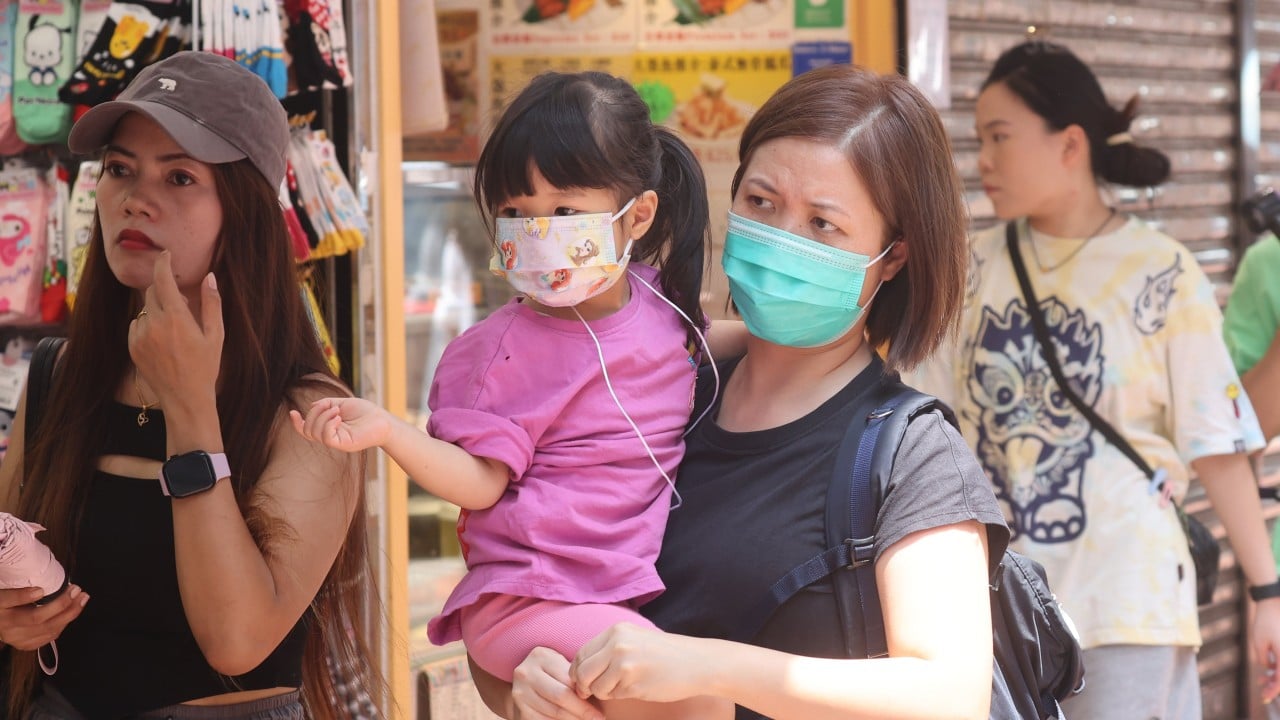
Autumn smells like woodsmoke and damp earth until the first child starts coughing.
You know the sound. It is a dry, barking rattle that echoes down the hallway at three in the morning, cutting through the silence like broken glass. You sit straight up in bed, your heart slamming against your ribs, waiting to see if the cough repeats.
It always does.
Every parent recognizes that specific brand of dread. It is the sudden, cold realization that your child is small, the world is enormous, and the invisible threats moving through the air do not care about bedtime stories or nightlights. As the weather turns and the windows seal shut against the creeping chill, three familiar antagonists prepare to step onto the stage together: influenza, COVID-19, and respiratory syncytial virus, better known as RSV.
For months, these names live as distant headlines on glowing screens. They are abstract numbers reported by health agencies, graphs climbing steeply on local news segments, or warnings whispered in line at the grocery store. But abstract numbers have a way of becoming terrifyingly concrete when your toddler’s chest begins to pull inward with every breath, fighting just to drag oxygen into tiny, inflamed lungs.
Consider what happens next.
The pediatrician's waiting room fills with the soundtrack of collective anxiety. A symphony of sniffling noses, pacifiers dropping onto linoleum floors, and parents exchanging tired, guarded glances. We have lived through enough winters to know the script, yet every year we find ourselves hoping against hope that our household will somehow be passed over. We wash hands until the skin cracks. We wipe down shopping cart handles with damp lemon-scented sheets. We keep bowls of clear broth on standby.
Yet hygiene is a shield with holes in it.
Viruses do not march through the front door with a banner; they ride the microscopic moisture of a shared laugh, a playground slide, a classmate's runny nose. They are ancient, efficient survivors. And when influenza, COVID-19, and RSV synchronize their arrival, they turn our pediatric wards into crowded triage units where nurses run on cold coffee and sheer adrenaline.
To understand why this triple threat carries such weight, look past the medical jargon. Think of a child's respiratory tract as an intricate, delicate orchard in early spring. The airways are narrow, smooth, and extraordinarily sensitive. When RSV enters that orchard, it does not just pass through; it triggers an inflammatory storm, creating thick cellular debris that clogs the tiny bronchial tubes. For an adult, it is a bad chest cold. For an infant whose airways are no wider than a drinking straw, it can mean a race to the emergency department.
Then layer influenza on top of that. Influenza is a systemic wrecking ball. It comes with a sudden, violent spike in fever, body aches that make a six-year-old weep without knowing why, and a profound exhaustion that drains the color right out of their cheeks.
Add COVID-19 to the mix, with its uncanny ability to mutate and mask itself, and you have a trifecta of overlapping symptoms that make guesswork out of diagnosis. Is it just allergies? Is it a mild cold? Or is this the day the infection decides to dig in its heels and demand hospital intervention?
We spend an immense amount of energy trying to control the uncontrollable. We buy air purifiers for the nursery. We monitor temperatures with digital strips held against foreheads in the dark. We debate schedules and playdates, carrying a low-grade hum of protective panic everywhere we go.
And yet, one of our most powerful defenses sits quietly in a brightly lit room down the corridor at the local clinic, waiting in a glass vial.
Vaccination is a strange concept when you really look at it. We are asked to invite a ghost into the house, a neutralized shadow of the real enemy, so the body can learn its face before the battle begins. It feels counterintuitive to expose a child to anything that mimics sickness, even briefly. Every protective instinct tells us to keep the walls high and the doors bolted.
But biology operates on memory.
Without that preview, an immune system facing a novel strain of influenza or COVID-19 is like a garrison caught sleeping when the gates are breached. It takes precious days—days a small body may not easily spare—to manufacture the right weapons. Those days are when fevers spike, oxygen levels dip, and parents pace holes in hospital floor tiles.
When a child is vaccinated, that garrison is already manning the walls. The immune system recognizes the signature of the invader instantly, deploying antibodies before the virus can dig its roots deep into the tissue. It does not mean the child will never sniffle again. Life is messy, and viruses mutate. But it transforms a terrifying mountain into a manageable hill. It changes a potential ICU admission into a cozy couch day involving cartoons, apple juice, and a parent who can finally breathe out.
There is a strange sort of guilt that comes with parenting through modern contagion seasons. If you vaccinate, you worry about side effects, second-guessing every mild arm soreness or evening crankiness. If you hesitate, you carry the heavy, shifting weight of what-ifs every time someone coughs near your child in the grocery store aisle.
We are all navigating this haze together, armed with incomplete information and an overabundance of love that occasionally borders on frantic.
The public health data tells a clear, unyielding story. Hospitalization rates for children surge predictably when these three pathogens circulate simultaneously. Pediatric intensive care units swell beyond capacity, not because doctors are unprepared, but because the sheer volume of tiny patients outstrips the physical walls of the buildings. Elective surgeries are postponed. Staff members burn out.
Behind every data point in those weekly epidemiological reports is a mother holding a lukewarm cup of coffee at midnight, watching a chest rise and fall, praying the fever breaks before dawn.
We cannot wrap our children in bubble wrap. We cannot seal them away from the world until spring thaws the ground. They need to run, to share crayons, to tumble in the grass, to catch colds and build the complex architecture of a resilient immune system. Childhood requires exposure; it requires growth through friction.
What we can do is remove the heaviest weights from their shoulders before they step into the arena.
The clinic doors are open. The science is refined through decades of trial, error, and quiet triumph over diseases that used to take children by the thousands without warning. The choice to vaccinate is not merely a medical appointment on a Tuesday afternoon; it is an act of fierce, preventative tenderness. It is building an invisible fortress out of science and foresight, placing it quietly around the crib while the house sleeps, waiting for the cold winds to blow.