The clock is ticking down to Wednesday night, and honestly, it doesn't look good for anyone hoping for a quiet week in the Middle East. President Donald Trump just threw a massive wrench into the works by telling Bloomberg that a ceasefire extension with Iran is "highly unlikely." If you've been following this saga, you know we're less than 48 hours away from the current two-week truce expiring, and the rhetoric is getting incredibly sharp on both sides.
Trump isn't mincing words. He's made it clear he won't be "rushed into making a bad deal." While he's sending a heavyweight delegation to Pakistan—including VP JD Vance, Jared Kushner, and Steve Witkoff—he's also signaling that if a comprehensive agreement isn't signed by the deadline, the "nice way" is over.
The High Stakes in Islamabad
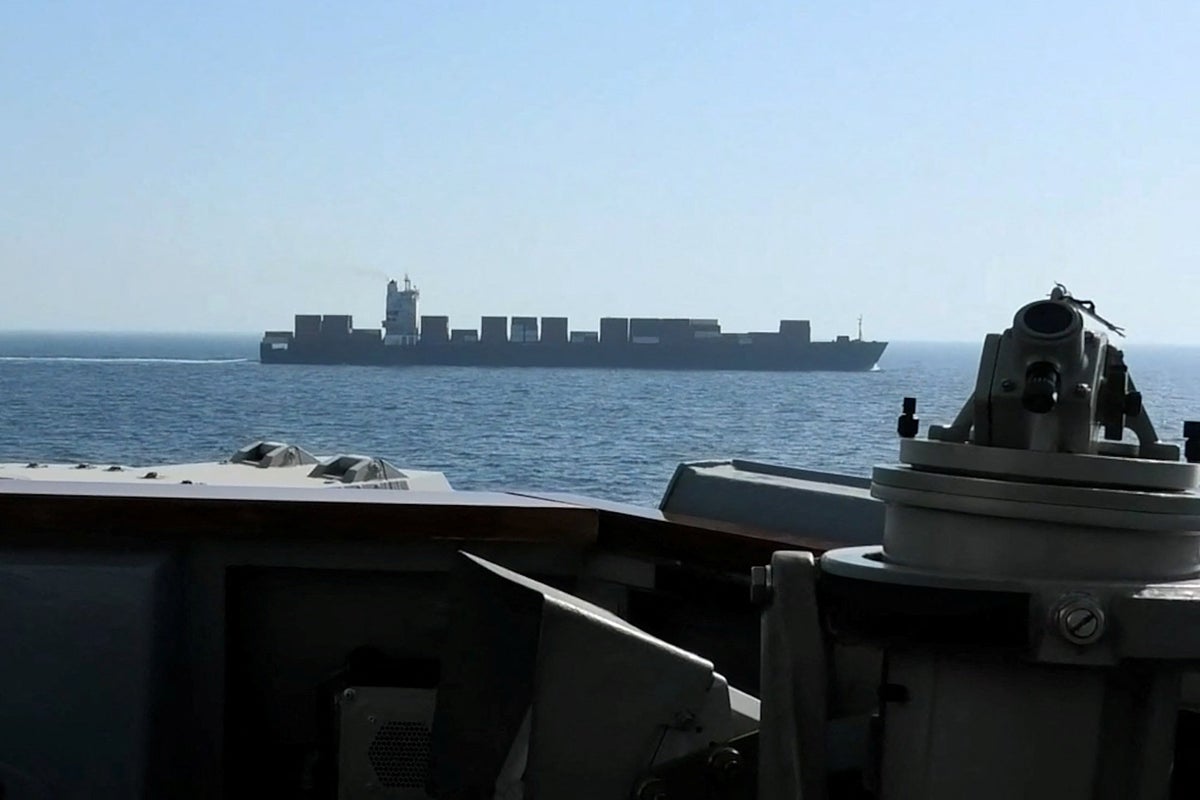
The U.S. team is heading to Islamabad right now, but they might be walking into an empty room. Iran has already signaled it doesn't plan to show up. Tehran is furious over what it calls "maritime piracy" after the U.S. Navy intercepted the Touska, an Iranian cargo ship, in the Gulf of Oman just this Sunday.
Iran's Ministry of Foreign Affairs is calling the U.S. blockade of the Strait of Hormuz a direct violation of the truce. They're basically saying, "Why should we talk peace while you're choking our trade and seizing our ships?" It's a classic standoff. Trump wants the Strait open and Iran's nuclear program dismantled. Iran wants the sanctions gone and U.S. troops out of the region. Neither side is budging, and the bridge between them is looking pretty flimsy.
What People Are Getting Wrong About This Conflict
Most people think this is just about oil prices or a temporary spat. It’s way deeper. Since the war kicked off earlier this year, the global economy has been on a rollercoaster. When the ceasefire was first announced on April 7, oil prices plummeted 15%. If the fighting resumes Wednesday night, expect those prices to rocket back up instantly.
Here’s the reality:
- The Nuclear Sticking Point: Trump is demanding Iran hand over its entire stockpile of highly enriched uranium. Iran offered a 3-to-5-year pause. That's a massive gap that doesn't get closed in a 48-hour window.
- The Proxy Problem: Israel and Hezbollah have their own separate, fragile 10-day ceasefire. If the U.S. and Iran start trading missiles again, that Lebanon border is going to explode immediately.
- Internal Chaos: Iran is dealing with internal political shifts following the death of former Supreme Leader Ali Khamenei. The IRGC (Revolutionary Guard) is playing a much more aggressive hand because there’s no central figure to rein them in.
Trump’s "No More Mr. Nice Guy" Strategy
You’ve seen the Truth Social posts. Trump is leaning hard into the "unconditional surrender" narrative. He’s explicitly threatened to "knock out every single power plant and every single bridge in Iran" if they don't take the deal. It's high-pressure diplomacy, but it's risky.
Trump claims the "concept" of a deal is already closed, yet the Iranian side is publicly denying they’ve even agreed to meet. Someone is posturing, and usually, the truth lies somewhere in the middle. Trump wants a win he can bring home, but Iran feels it has enough leverage with its control over the Strait of Hormuz to hold out for better terms.
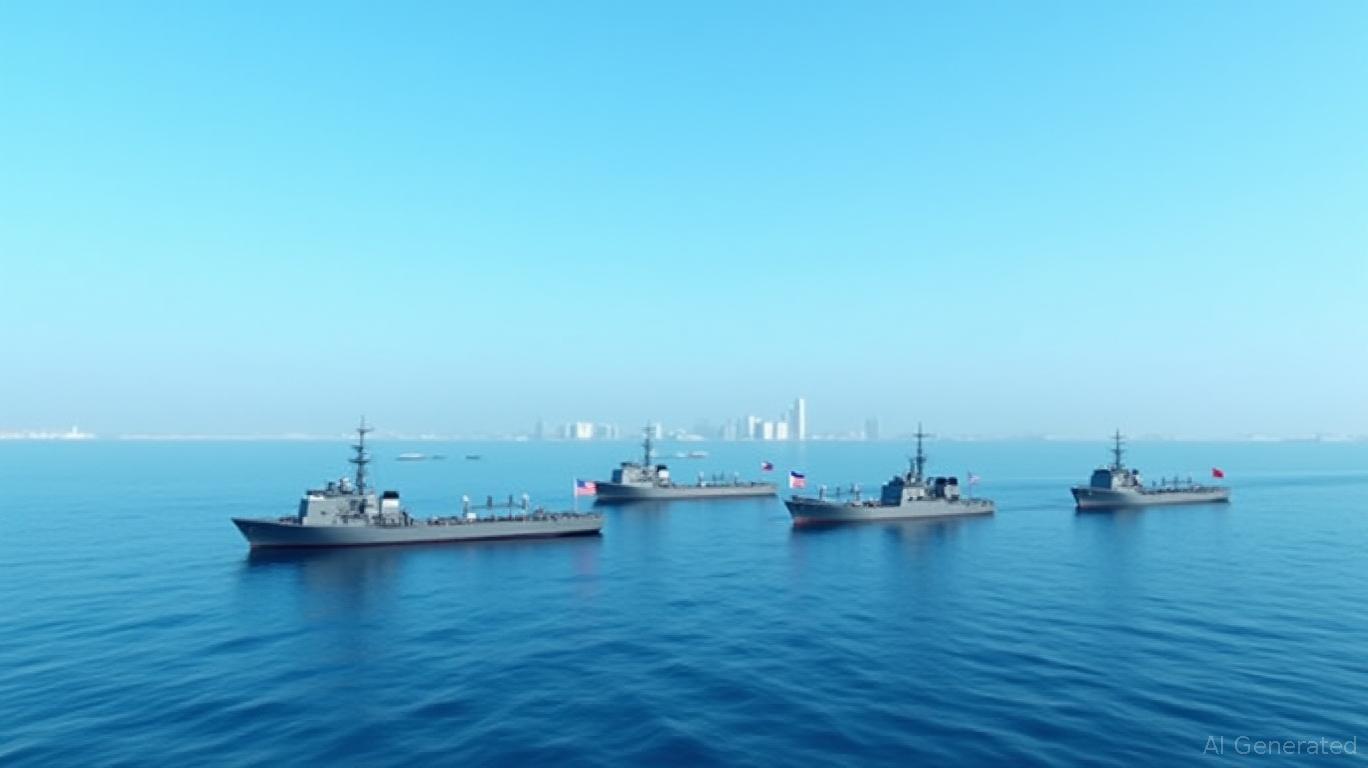
The U.S. Navy's "Operation Epic Fury" has been effective at blockading Iranian ports, with CENTCOM reporting that nearly 20 vessels have been turned back recently. But a blockade isn't a peace treaty. It's a slow-motion act of war.
What Happens if the Deadline Passes
If Wednesday night comes and goes without a signature, the ceasefire ends. We’re not talking about a return to "tense peace." We’re talking about a resumption of missile and drone strikes.
You should keep an eye on these specific triggers:
- The Strait of Hormuz: If Iran tries to re-close it completely, the U.S. will likely respond with massive air strikes on Iranian coastal defenses.
- Cyber Attacks: Watch for disruptions in regional infrastructure. Both sides have been using cyber warfare as a "soft" opening before the kinetic stuff starts.
- The Islamabad Delegation: If Vance and Kushner leave Pakistan early, that’s your signal to prepare for escalation.
Don't expect a last-minute extension just for the sake of talking. Trump’s "all the time in the world" comment suggests he’s comfortable letting the bombs fall again if he doesn't get exactly what he wants. It’s a dangerous game of chicken where the global energy market is the first casualty.
If you're tracking your investments or just worried about the price at the pump, stay glued to the news out of Pakistan over the next 24 hours. The situation is moving fast, and the window for a peaceful "Grand Bargain" is slamming shut.
Keep your eyes on the official CENTCOM updates and the state-run IRNA news out of Tehran. The next 48 hours will decide if 2026 becomes the year of a new Great War in the East or a historic, albeit shaky, peace.